
Tarsal Tunnel Syndrome Treatment in Penrith
Burning, tingling or electric pain in the heel, arch and sole that worsens through the day? Tarsal tunnel syndrome is the foot's version of carpal tunnel - and it responds well to treatment when diagnosed correctly.
- In-clinic diagnostic ultrasound
- Orthotic & injection therapy
- Nerve-conduction referral
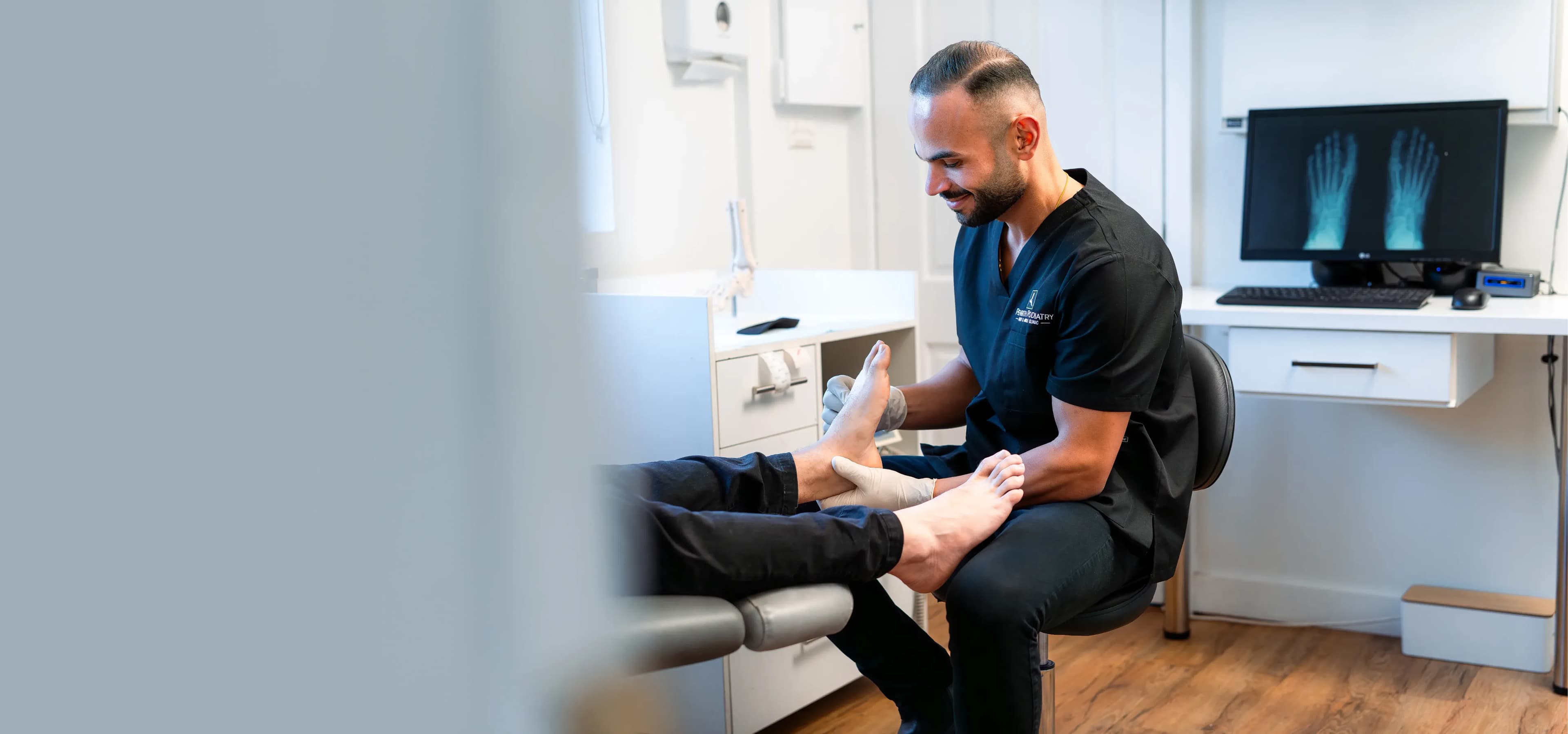
- 60+Years Combined Experience
- 4.9Google Rating (185+)
- Specialist Podiatric Surgeon on team
- Endorsed for Scheduled Medicines
What Is Tarsal Tunnel Syndrome?
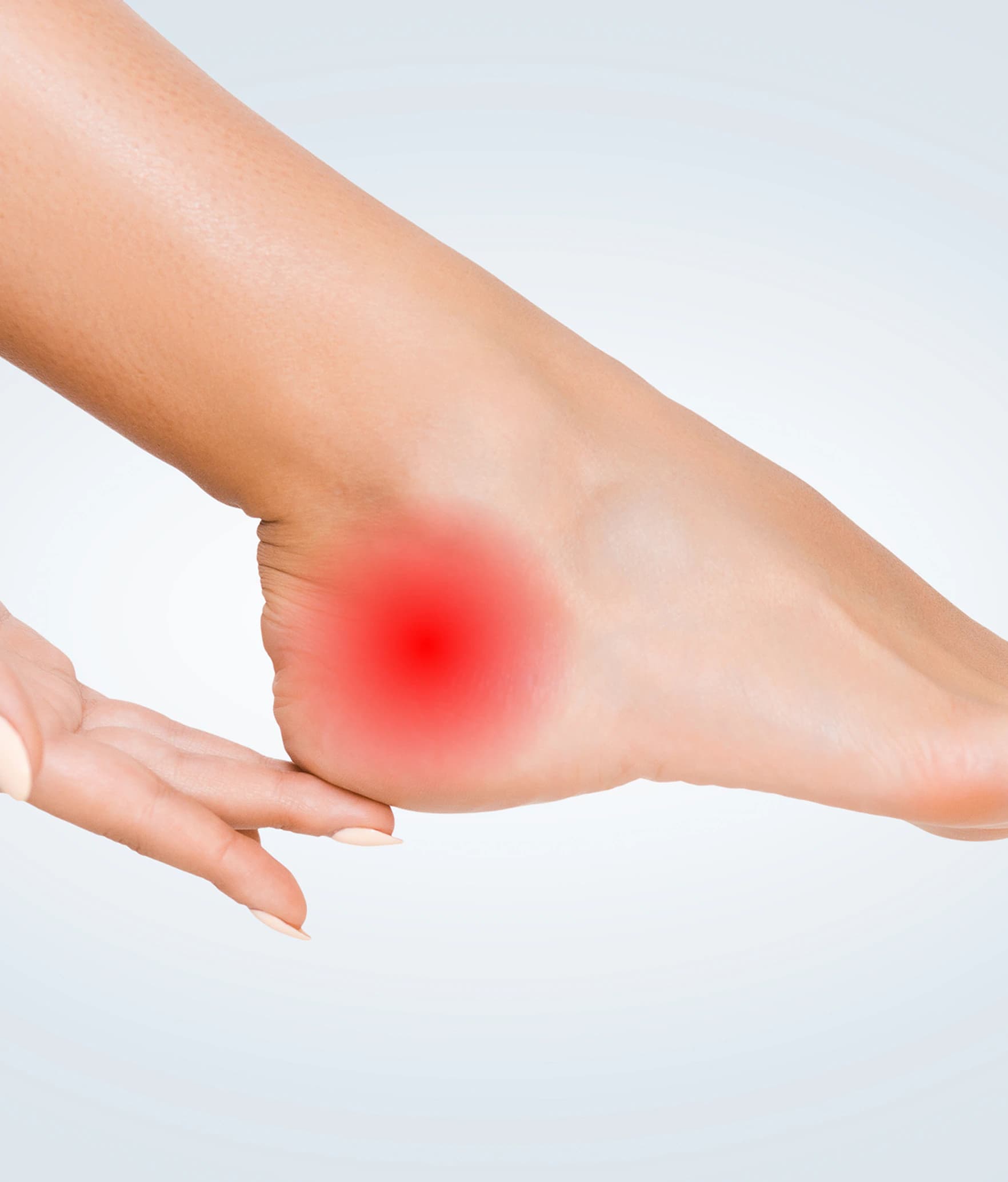
Tarsal tunnel syndrome is a nerve entrapment affecting the posterior tibial nerve as it passes through a narrow channel (the tarsal tunnel) on the inner side of the ankle, behind and below the inner ankle bone.
The tunnel holds the nerve along with several tendons and blood vessels within a tight fibrous channel. When pressure on the nerve increases - through swelling, structural change or mechanical factors - the nerve becomes compressed, producing a characteristic pattern of burning, tingling and numbness in the heel, arch and sole.
It's the foot equivalent of carpal tunnel syndrome in the wrist - less commonly recognised, but responsive to appropriate management when diagnosed correctly.
What Causes It?
Any factor that increases pressure within the tunnel or alters its dimensions can compress the nerve. Common causes include:
Flat feet
Flat feet or excessive pronation, stretching and compressing the nerve as the ankle rolls in
Space-occupying lesion
Ganglion cysts, lipomas or varicose veins within the tunnel
Post-injury swelling
Swelling following an ankle sprain or fracture
Inflammatory arthritis
Inflammatory arthritis causing synovial proliferation within the tunnel
Tendon dysfunction
Posterior tibial tendon dysfunction, altering the mechanics of the tunnel
Systemic conditions
Diabetes and hypothyroidism, which raise nerve vulnerability
Scar tissue
Scar tissue from previous ankle surgery or trauma
Symptoms
Symptoms are often worse at the end of a long day and may ease with rest, particularly with the foot elevated.
Burning nerve pain
Burning, tingling or electric pain on the inner ankle, into the heel, arch and sole
Numbness & pins
Numbness or pins and needles in the bottom of the foot
Worse with activity
Symptoms that worsen with prolonged standing, walking or activity
Night pain
Night pain or symptoms at rest in more advanced cases
Radiates to calf
Pain that radiates upward into the calf in some presentations
Positive Tinel's sign
Tapping over the tunnel reproduces the tingling
Assessment
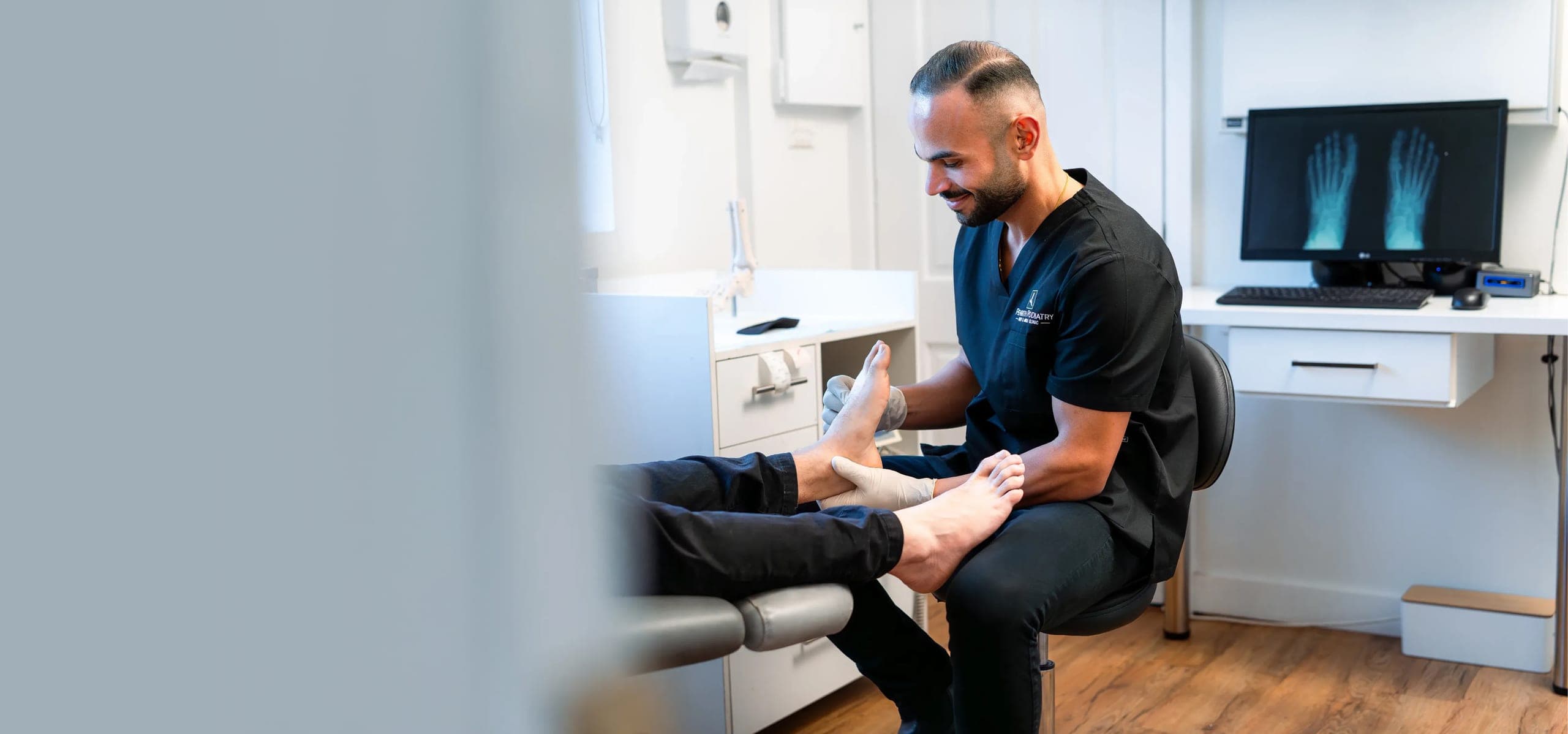
Assessment at Penrith Podiatry includes:
History & provocation
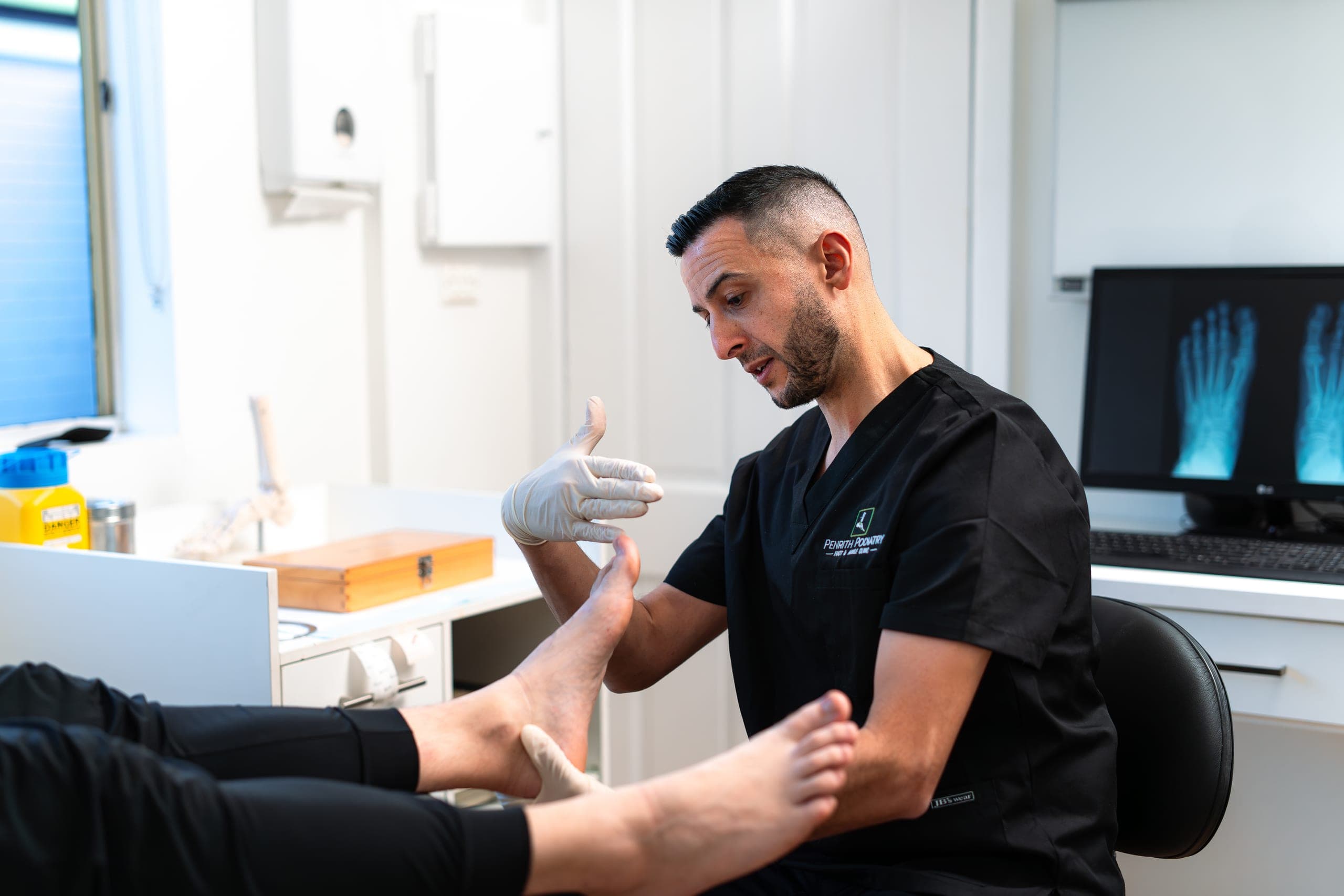
Tinel's sign and the dorsiflexion-eversion test
Foot posture
particularly for flat foot deformity
Sensory testing
neurological assessment of the foot
In-clinic ultrasound
assessing the tunnel for lesions and nerve-calibre changes
Nerve conduction studies
arranged to confirm involvement and level of compression
MRI referral
detailed imaging of tunnel contents and structural contributors
Conservative Treatment
Conservative management is first-line and effective for many presentations, particularly those related to biomechanical factors. Treatment includes:
- Custom foot orthotics - correcting excessive pronation and reducing dynamic compression of the nerve - particularly effective when flat feet are the driver
- Activity modification - reducing prolonged standing, walking or activity that consistently provokes symptoms
- Footwear review - supportive footwear that limits pronation and reduces tunnel compression
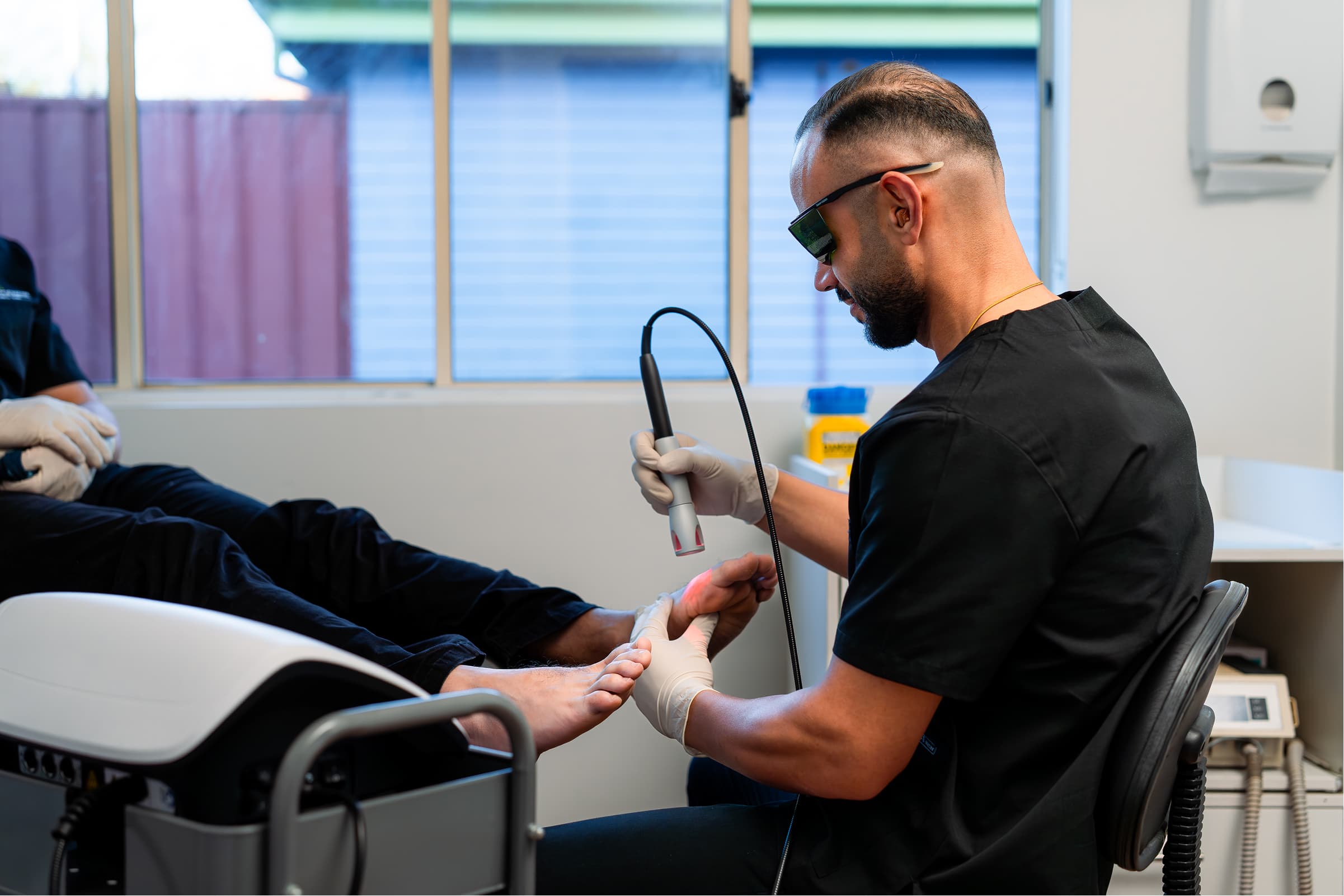
- Ultrasound-guided corticosteroid injection - targeted into the tunnel to reduce perineural inflammation and relieve compression
- Managing systemic contributors - blood glucose and thyroid management in conjunction with your GP
- Treating space-occupying lesions - aspiration of a ganglion cyst, for example, may relieve pressure immediately
When Surgery Is Considered
For patients who don't respond to conservative measures, or where a structural cause (ganglion, scar tissue, bony impingement) is confirmed on imaging, surgical tarsal tunnel release decompresses the nerve by dividing the flexor retinaculum. Outcomes are generally good when the diagnosis is confirmed and the cause clearly identified; results are less predictable when the entrapment is from diffuse scarring or systemic nerve disease.
Tarsal Tunnel Syndrome FAQs
How do I know if my foot pain is nerve-related?
Nerve pain typically has a burning, tingling or electric quality and may travel along a distribution rather than sitting in one spot. Tapping over the tarsal tunnel that reproduces tingling into the foot is a strong indicator. Your podiatrist will assess this and arrange imaging or nerve-conduction studies.
Is tarsal tunnel syndrome the same as plantar fasciitis?
No, though both can cause heel and arch pain. Plantar fasciitis pain is typically sharp, worst with first steps in the morning, and at the heel. Tarsal tunnel pain tends to be burning, travels into the arch and toes, and worsens with prolonged activity.
Can flat feet cause tarsal tunnel syndrome?
Yes. Excessive pronation in flat feet stretches and compresses the posterior tibial nerve within the tunnel. Orthotic correction of the flat foot is often one of the most effective conservative treatments.
Do I need surgery for tarsal tunnel syndrome?
Most cases respond to conservative management, particularly when addressed early. Surgery is reserved for cases where a structural cause is confirmed and conservative treatment has been exhausted.
Serving Penrith & Western Sydney
Penrith Podiatry Foot and Ankle Clinic is at 1/135-137 High Street, Penrith, assessing nerve-related foot pain for patients across Western Sydney. Burning or tingling in the sole of your foot isn't something to ignore or assume will settle on its own - book online or call us.
Related conditions
Morton's Neuroma
Burning, shooting forefoot pain like walking on a pebble - a compressed, thickened nerve.
Learn moreDiabetic Foot Ulcers
An open wound on a diabetic foot - largely preventable, and treatable with prompt specialist care.
Learn moreHeel Pain
Sharp morning heel pain or a dull daily ache - diagnosed with in-clinic ultrasound and treated.
Learn moreRequest an appointment
Send a few details and our team will be in touch to arrange a time that suits you.
Visit the clinic
Penrith, NSW 2750