Forefoot Pain Treatment in Penrith
Aching or sharp pain in the ball of your foot, like walking on stones? Metatarsalgia isn't a single diagnosis - identifying which structure is driving the pain is the key to treating it effectively.
- In-clinic diagnostic ultrasound
- Metatarsal offloading
- Custom orthotics
- 60+Years Combined Experience
- 4.9Google Rating (185+)
- Specialist Podiatric Surgeon on team
- Endorsed for Scheduled Medicines
What Is Forefoot Pain (Metatarsalgia)?
Metatarsalgia is a broad term for pain and inflammation in the ball of the foot, in the area of the metatarsal heads. It's not a single diagnosis but a symptom pattern with several possible underlying causes - and understanding which structure is driving the pain is essential for effective treatment.
The forefoot bears significant load with every step, particularly during the propulsive phase of gait when weight shifts forward over the toes. Any factor that increases this load or alters its distribution can lead to metatarsal head pain.
The good news: the vast majority of cases respond well to conservative management without requiring surgery.
What Causes Forefoot Pain?
Common causes include:
General metatarsal overload
increased forefoot pressure from footwear, activity or biomechanics
Morton's neuroma
nerve tissue thickening between the metatarsal heads
Plantar plate injury
tears of the stabilising ligament under the toe joints
Sesamoiditis
inflammation of the two small bones beneath the big-toe joint, common in runners and dancers
Freiberg's infraction
loss of blood supply to a metatarsal head, typically in adolescents
Stress fracture
of one or more metatarsal bones
Capsulitis
inflammation of a joint capsule without plantar plate involvement
Callus
a discrete pressure callus under a metatarsal head causing focal pain
Symptoms
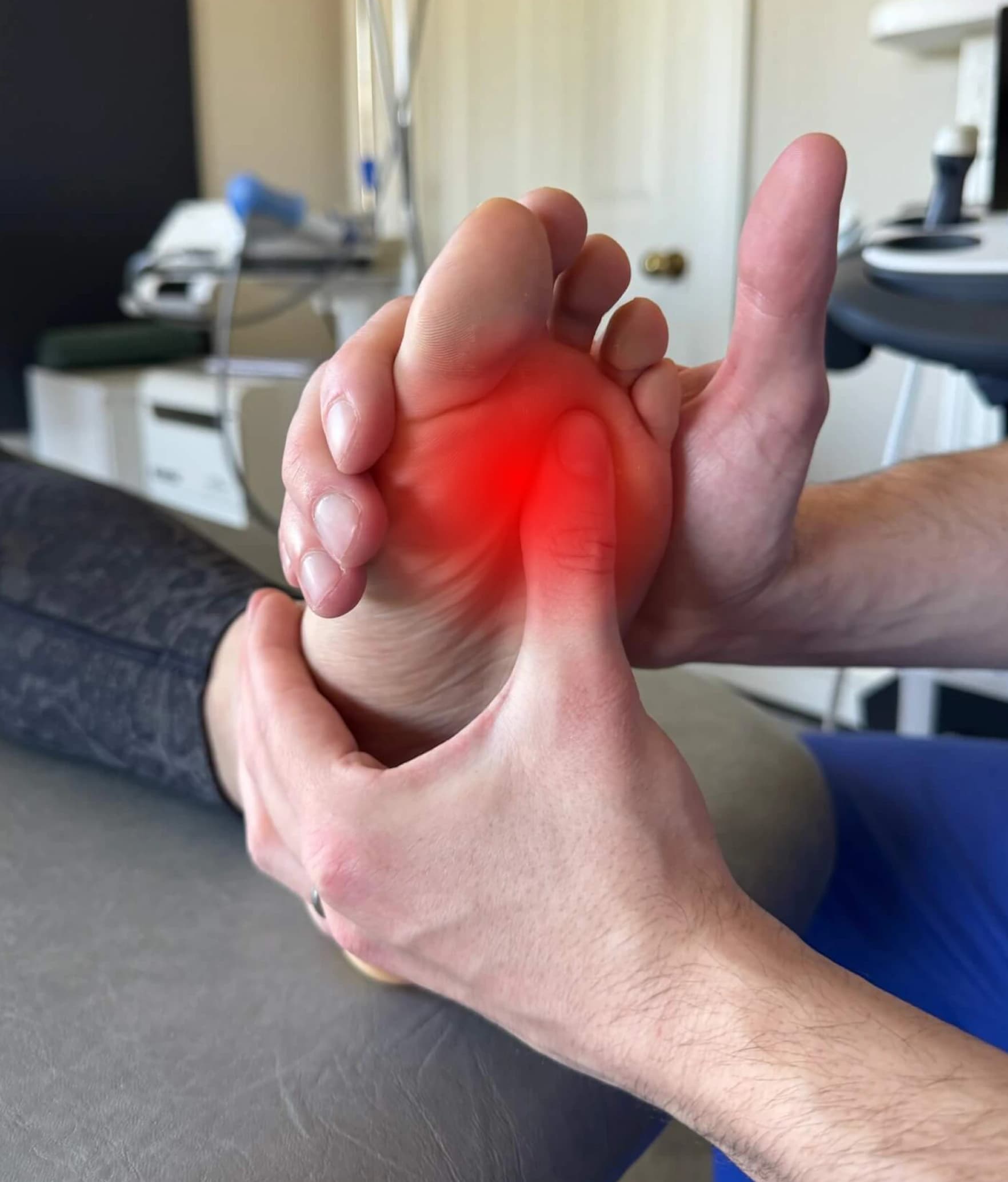
Ball-of-foot pain
Pain under the ball of the foot, from diffuse aching to sharp focal pain at a metatarsal head
Pebble sensation
A sensation of walking on stones or pebbles
Worse on hard floors
Pain that worsens with barefoot walking on hard floors, in high heels, or with prolonged activity
Localised tenderness
Localised tenderness when pressing under the metatarsal head
Callus build-up
Callus formation under one or more metatarsal heads
Swelling
In some cases, swelling or redness in the forefoot
Assessment
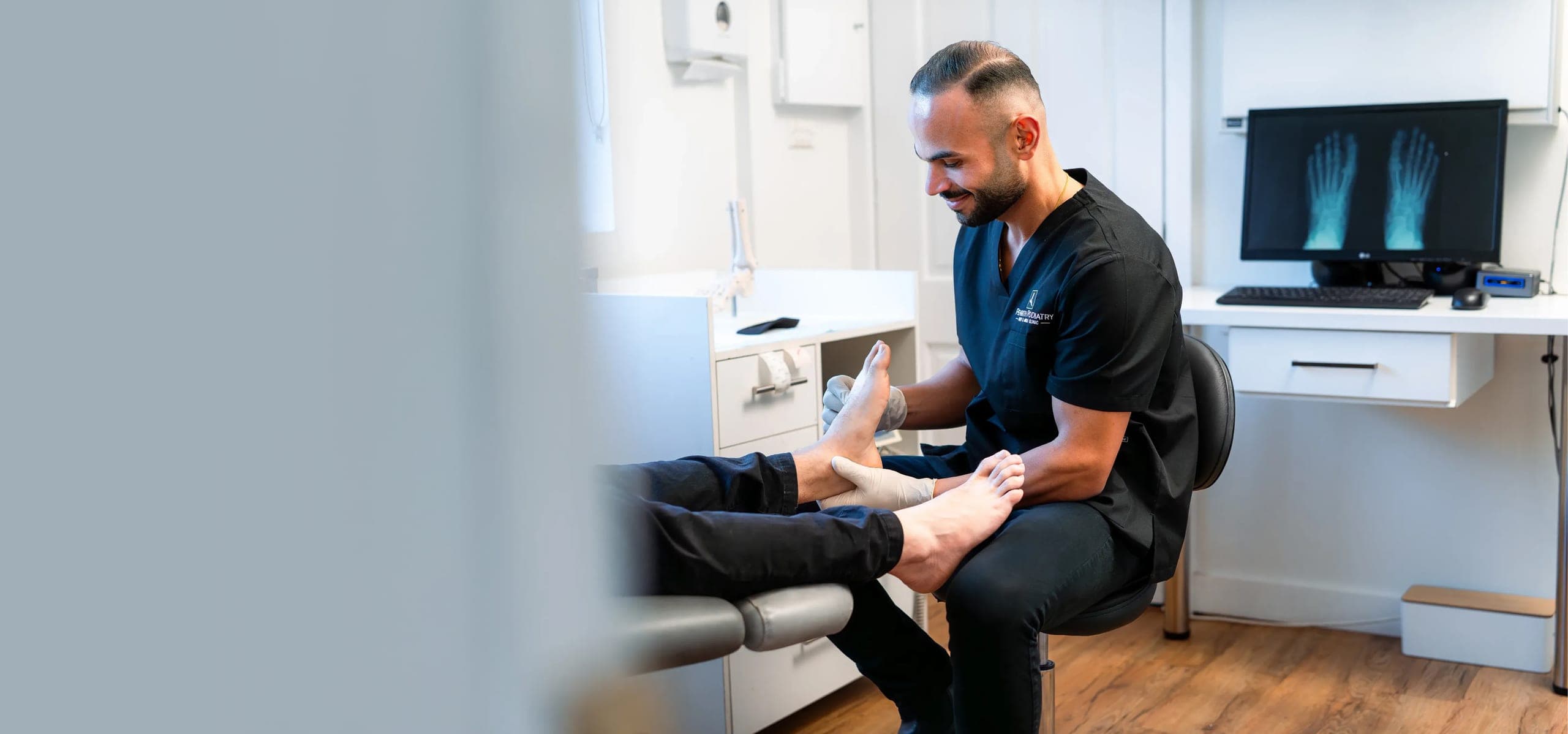
Assessment at Penrith Podiatry includes:
History
of symptom onset, footwear and activity
Careful palpation
to identify the precise location and structure causing pain
Mechanics
assessment of foot posture, metatarsal mobility and toe alignment
In-clinic ultrasound
distinguishing neuroma, plantar plate injury, bursitis and capsulitis
X-ray referral
if a stress fracture or bony pathology is suspected
Pressure assessment
of forefoot loading where available
Conservative Treatment
Because forefoot pain has multiple potential causes, treatment is targeted to the specific diagnosis. General conservative measures include:
- Footwear modification - replacing narrow-toe-box or high-heeled footwear with a wider, supportive alternative - this single change significantly reduces forefoot load
- Metatarsal padding - a dome or bar placed just behind the metatarsal heads transfers load away from the painful area - one of the most effective short-term measures
- Custom foot orthotics - addressing the biomechanical contributors, including flat feet, high arches and first-ray insufficiency
- Callus debridement - regular professional removal of callus under metatarsal heads, itself a source of focal pressure
- Activity modification - reducing barefoot activity on hard surfaces and high-impact forefoot loading while treatment progresses
- Rocker-sole footwear - reducing peak load through the metatarsal heads during push-off, useful for moderate-severe cases
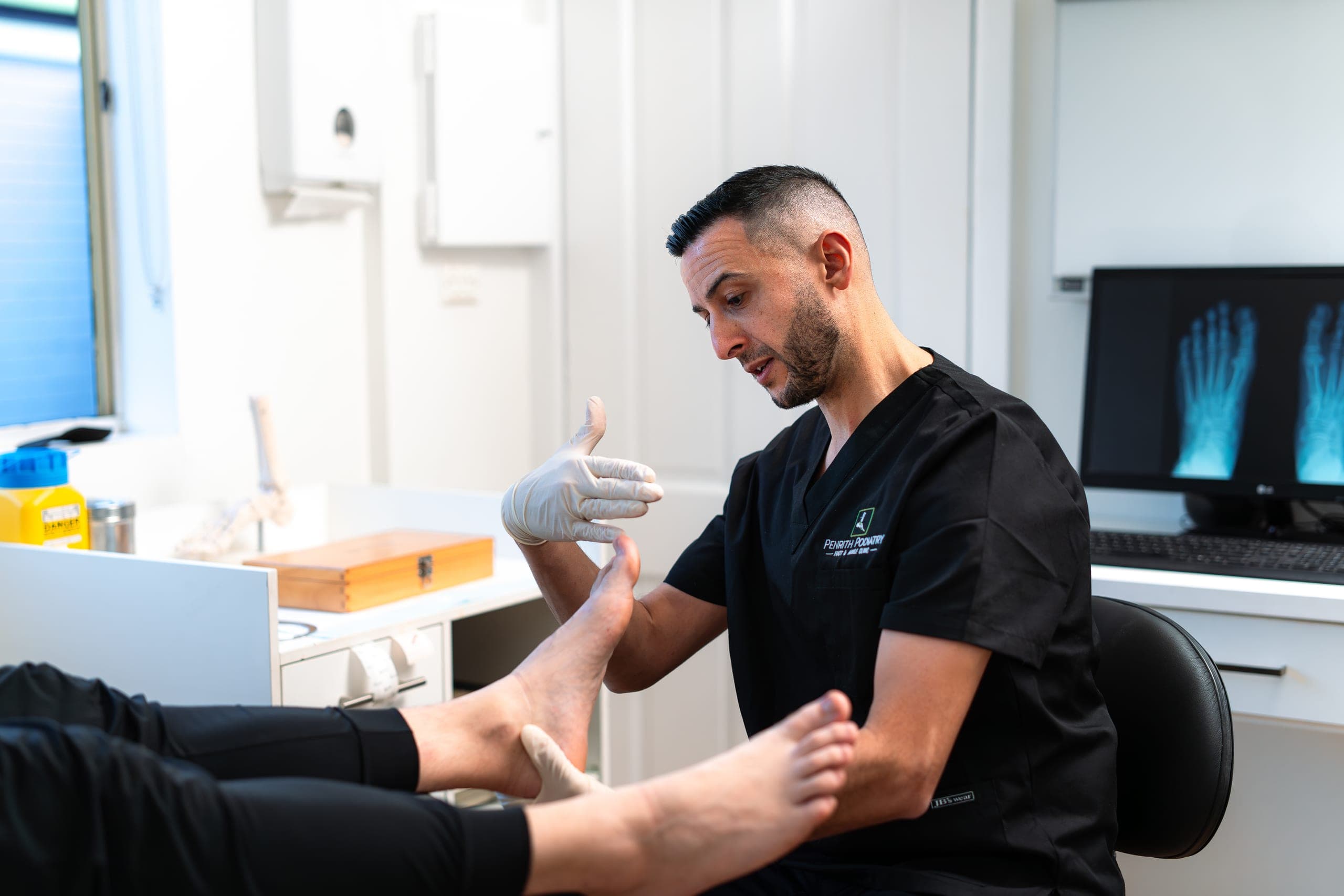
Because metatarsalgia is largely a conservative condition, surgery is rarely required - most patients respond to a combination of footwear modification, padding and orthotics.
Forefoot Pain (Metatarsalgia) FAQs
Is metatarsalgia serious?
In most cases it's not serious, but it can significantly affect quality of life and become chronic without management. Identifying the underlying cause matters, as some contributors (plantar plate tears, stress fractures) need specific treatment.
Why does ball-of-foot pain get worse in heels?
High heels shift body weight forward onto the forefoot, dramatically increasing load through the metatarsal heads and aggravating any forefoot condition. Reducing heel height is one of the most impactful changes.
Can metatarsalgia be cured with orthotics alone?
Orthotics are highly effective when the cause is biomechanical overload. If the pain is from a neuroma, plantar plate injury or stress fracture, orthotics are part of the solution but need to be combined with targeted treatment for that diagnosis.
How long does it take to recover from forefoot pain?
With appropriate footwear changes and orthotic support, most patients see significant improvement within 6-8 weeks. Resolving the underlying cause takes longer in some cases.

Serving Penrith & Western Sydney
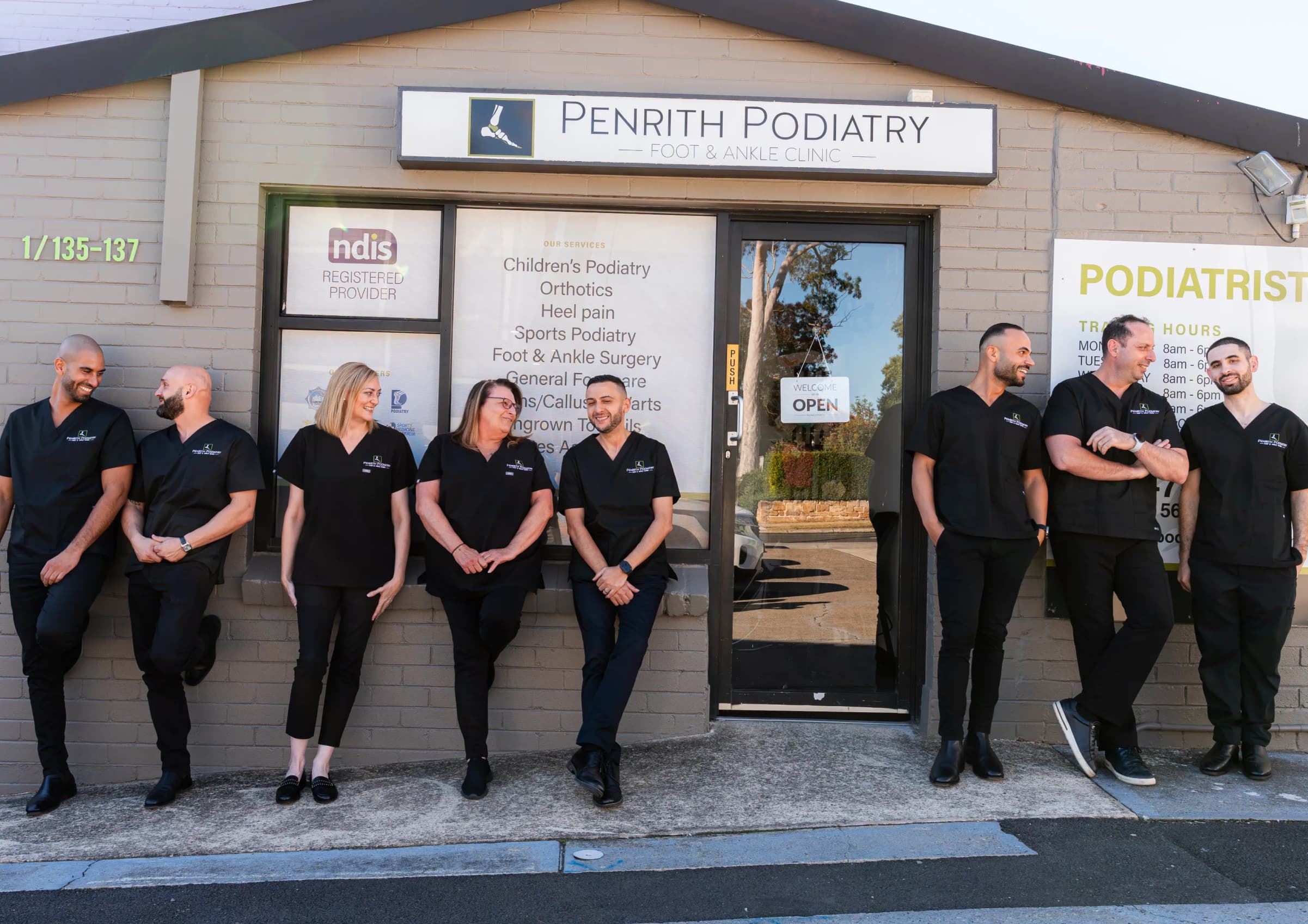
Penrith Podiatry Foot and Ankle Clinic is at 1/135-137 High Street, Penrith, assessing and treating forefoot pain for patients from Kingswood, St Marys, Emu Plains, Glenmore Park and Penrith CBD. Forefoot pain that's been present more than a few weeks without improvement warrants a proper assessment to identify the exact cause.
Related conditions
Morton's Neuroma
Burning, shooting forefoot pain like walking on a pebble - a compressed, thickened nerve.
Learn morePlantar Plate Tears
A torn stabilising ligament under a toe joint - often mistaken for general forefoot pain.
Learn moreBunions
A progressive big-toe-joint deformity - managed conservatively, corrected with surgery when needed.
Learn moreRequest an appointment
Send a few details and our team will be in touch to arrange a time that suits you.
Visit the clinic
Penrith, NSW 2750