
Fungal Nail Infection Treatment in Penrith
Discoloured, thickened or crumbling toenails are usually a fungal infection - very treatable, but it won't clear on its own. We confirm the diagnosis and tailor the right treatment.
- Confirmed diagnosis
- Laser & non-laser options
- Endorsed to prescribe
- 60+Years Combined Experience
- 4.9Google Rating (185+)
- Specialist Podiatric Surgeon on team
- Endorsed for Scheduled Medicines
What Is a Fungal Nail Infection?
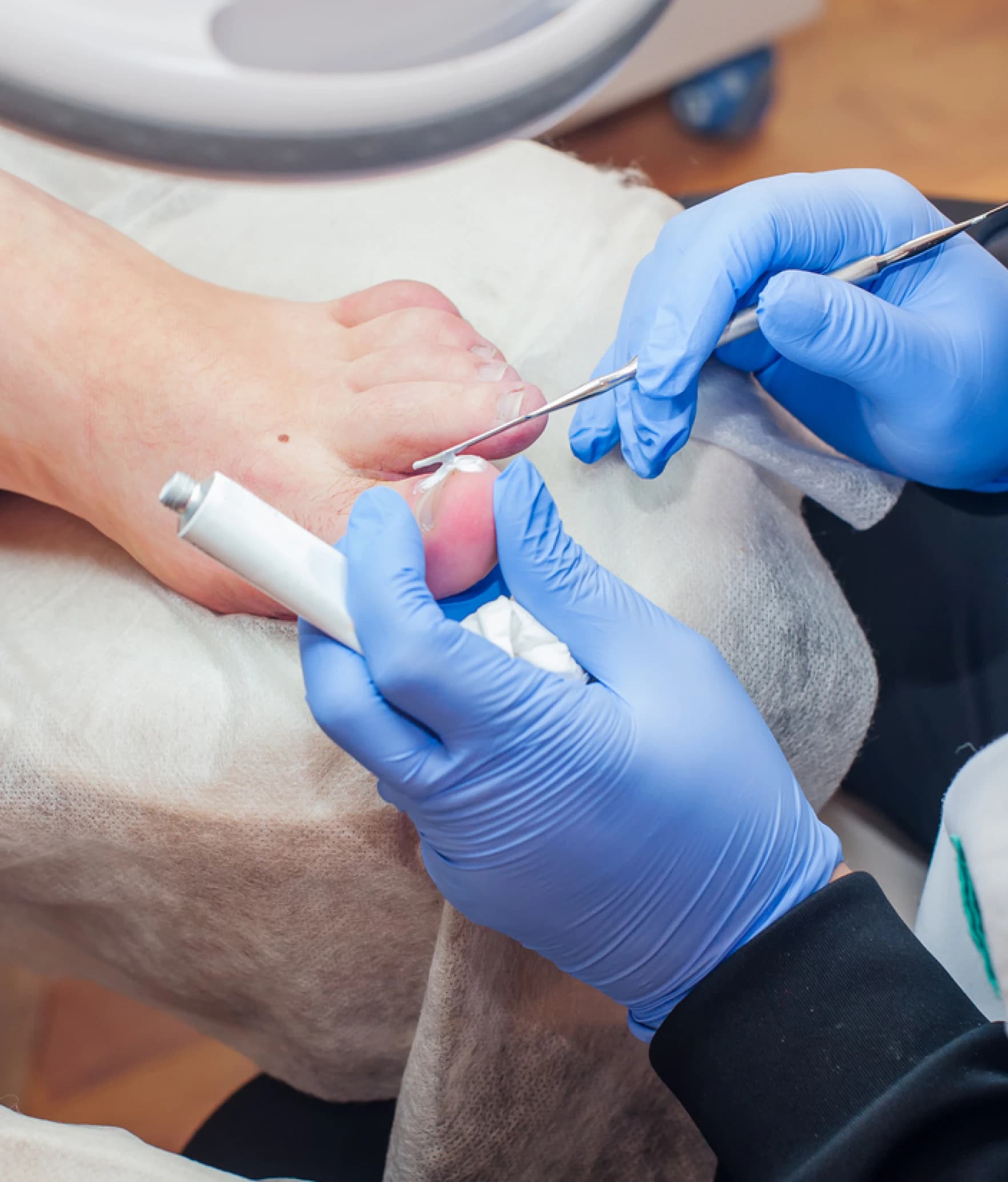
A fungal nail infection - medically called onychomycosis - occurs when microscopic fungi invade the nail and the skin beneath it. It often starts as a small patch of discolouration and, left untreated, spreads to thicken, distort and lift the nail. It frequently goes hand in hand with tinea (fungal skin infection) between the toes.
It's very common and rarely painful early on, but it doesn't resolve on its own, can spread between nails and to other people, and needs closer attention if you have diabetes or reduced circulation. The good news is that it's very treatable - especially when caught early and matched to the right treatment.
What Makes It More Likely
Fungi thrive in warm, moist conditions. Common risk factors include:
Communal wet areas
pools, gyms and change rooms where fungi survive
Sweaty feet & footwear
closed shoes that stay warm and damp
Nail trauma
damaged nails that let the fungus take hold
Tinea (athlete's foot)
an existing skin infection spreading to the nail
Diabetes or poor circulation
which make infections more likely and worth treating promptly
Symptoms to Look Out For
Discolouration
yellow, white, brown or streaky nails that lose their natural colour.
Thickening
nails that become thick, distorted and hard to trim.
Crumbling edges
brittle or flaky nail material, especially at the tip.
Separation & odour
the nail lifting from its bed, sometimes with a faint odour.
How Is It Diagnosed?
Not every discoloured or thickened nail is fungal - trauma, psoriasis and other conditions can look similar. Confirming the cause guides effective treatment. Assessment may include:
Clinical examination
assessing the pattern and extent of nail change.
Nail sampling
where needed, taking a sample to confirm a fungal cause before longer treatment.
Skin check
looking for associated tinea that needs treating at the same time.
Treatment Options
There's no single best treatment for everyone. We match the approach - or combination - to how many nails are affected, how severe it is and your general health. Options include:
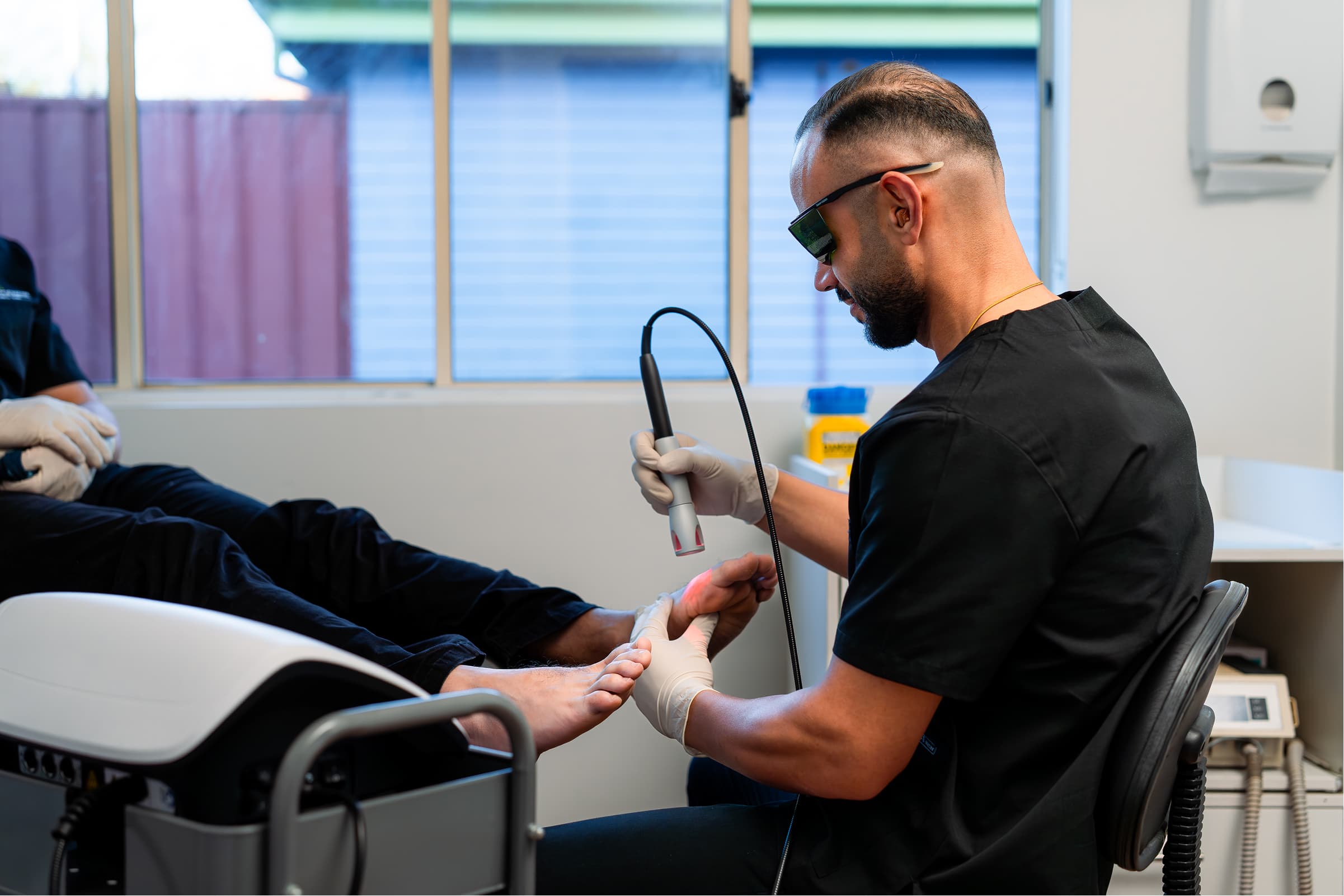
- Laser therapy - targeted laser energy to disrupt the fungus, with no medication and no downtime
- Oral antifungals - prescription tablets, prescribed and monitored by an endorsed podiatrist where appropriate
- Topical antifungals - medicated lacquers and solutions, most effective for early or mild infection
- Debridement - in-clinic reduction of the affected nail to remove infected material and help treatments penetrate
- Combination therapy - combining laser, topical and debridement for the best clearance in established cases
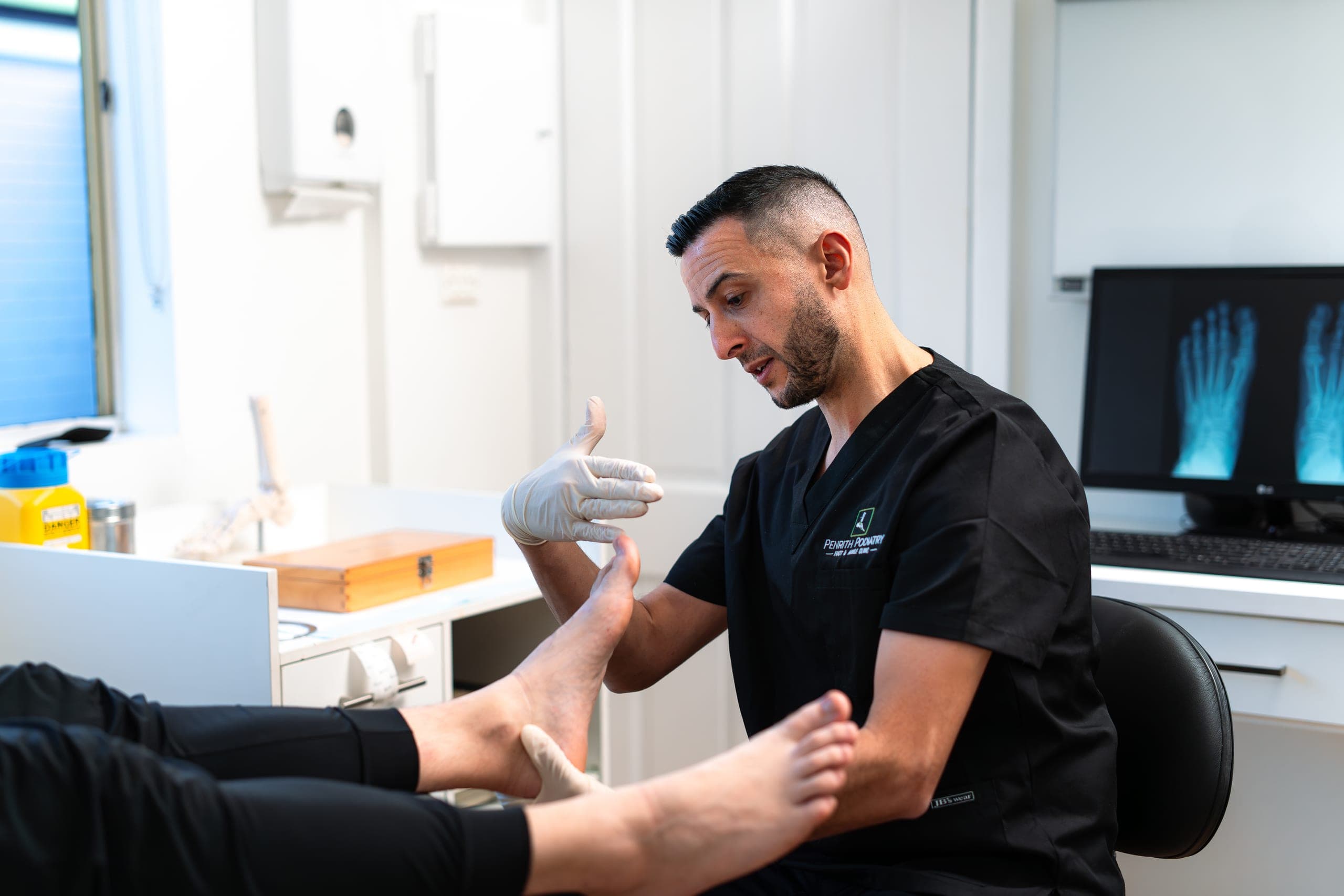
Fungal nails clear slowly as the healthy nail grows out - a toenail can take 9-12 months to fully replace itself - so treatment is reviewed over time.
Prevention & Ongoing Care
Because fungal infections can recur, prevention matters. Once the nail is clearing we provide footwear, hygiene and skin-care advice, and treat any associated tinea, to reduce the chance of it returning. Explore our dedicated fungal nail treatment options for more on how each approach works.
Fungal Nail Infections FAQs
Will a fungal nail clear on its own?
No - fungal nail infections don't resolve without treatment, and they tend to spread to other nails and can be passed to others. The earlier it's treated, the easier it is to clear.
How long does treatment take?
The infection clears as the healthy nail grows out, which is slow - a toenail can take 9 to 12 months to fully replace itself. You'll usually see clear nail appearing from the base well before then, and we review progress along the way.
Which treatment is best for me?
It depends on how many nails are involved, how severe it is, and your health and medications. After assessing (and sometimes testing) the nail, we recommend the option or combination most likely to clear it - often laser combined with topical care and debridement.
Can I still paint my nails or wear enclosed shoes?
We'll advise based on your treatment, but generally keeping nails clear of polish during treatment helps, and breathable footwear reduces the warm, moist conditions fungi love. We'll give you practical guidance.
Serving Penrith & Western Sydney
If your nails are discoloured, thickened or crumbling, book an assessment and we'll confirm whether it's fungal and recommend the treatment most likely to clear it. We see patients from across Penrith, Kingswood, St Marys and the Blue Mountains.
Related conditions
Ingrown Toenails
A nail edge growing into the skin - relieved same-day, and permanently fixable for recurrent cases.
Learn moreCorns & Calluses
Painful hard skin and corns - painlessly removed, with the pressure that causes them addressed.
Learn morePlantar Warts
Painful, stubborn warts on the sole - treated with debridement, medical-grade options and needling.
Learn moreRequest an appointment
Send a few details and our team will be in touch to arrange a time that suits you.
Visit the clinic
Penrith, NSW 2750