
Plantar Fasciitis Treatment in Penrith
Sharp, stabbing heel pain with your first steps in the morning? Plantar fasciitis is the most common cause of heel pain - and over 90% of cases resolve with the right conservative care.
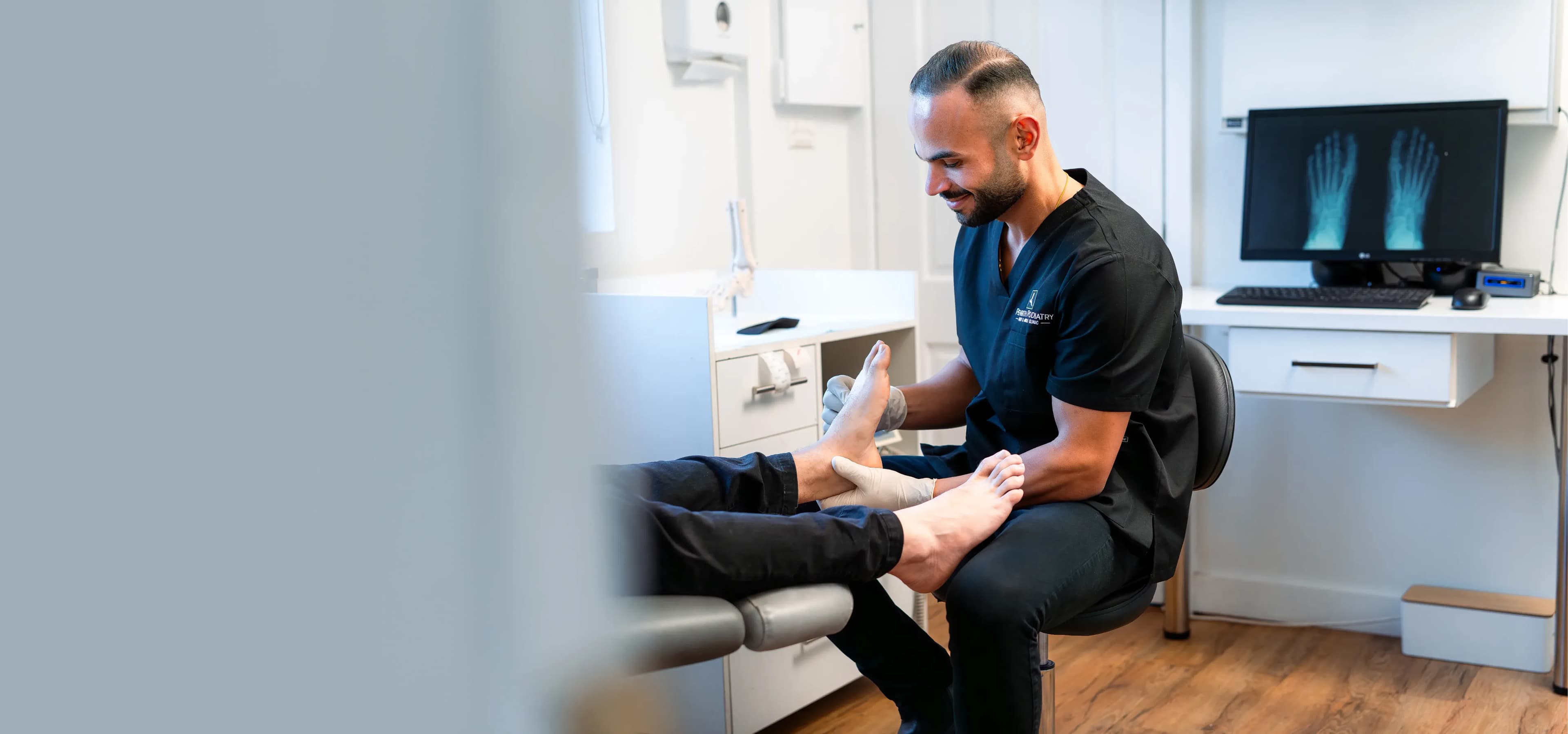
- In-clinic diagnostic ultrasound
- Shockwave therapy
- Custom orthotics
- 60+Years Combined Experience
- 4.9Google Rating (185+)
- Specialist Podiatric Surgeon on team
- Endorsed for Scheduled Medicines
What Is Plantar Fasciitis?
Plantar fasciitis is inflammation of the plantar fascia, a thick band of connective tissue that runs along the underside of your foot from the heel bone to the base of your toes. It acts as a natural shock absorber and helps maintain the arch of your foot.
When this tissue is repeatedly overloaded, small tears develop, the surrounding tissue becomes irritated, and pain follows. It is the most common cause of heel pain in adults and accounts for a significant proportion of podiatry presentations across Penrith and Western Sydney.
It is not a tear in the traditional sense, and in most cases it does not require surgery. The frustrating part for most people is that it can take time to resolve, particularly if treatment is delayed or inconsistent.
Why Does It Happen?
Plantar fasciitis rarely has a single cause. It develops when load on the plantar fascia exceeds what the tissue can handle - sometimes suddenly with a change in activity, sometimes building up gradually over months. Contributing factors include:
Sudden load increase
A sudden increase in running distance, walking, or time on your feet
Tight calves
Tight calf muscles and a limited ankle range of motion
Arch type
High arches or flat feet, which alter how load is distributed across the foot
Unsupportive footwear
Unsupportive footwear, particularly flat shoes or thongs worn for long periods
Hard flooring
Standing on hard flooring for extended periods at work
Weight & pregnancy
Weight gain or pregnancy, which increases load on the foot
Age-related change
Age-related changes in tissue elasticity, particularly in adults aged 40-60
What Does It Feel Like?
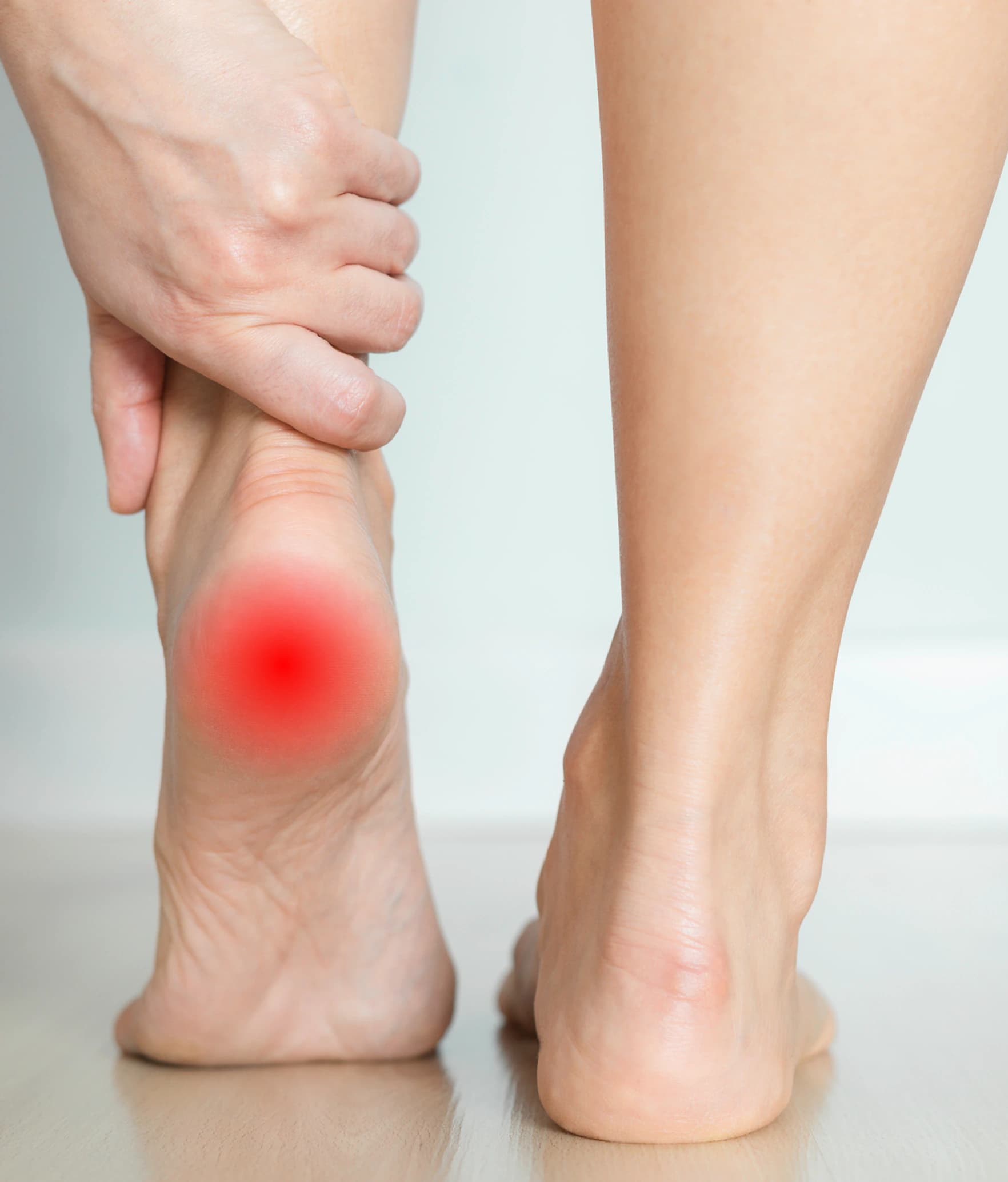
The hallmark symptom is pain on the inner side of the heel, worst with those first few steps after getting out of bed. Many patients describe a sharp, stabbing pain that eases once the tissue warms up, only to return later in the day after prolonged standing or activity.
First-step pain
Sharp heel pain with your first steps in the morning
Pain after rest
Pain after sitting for a while and then standing up
Heel tenderness
Tenderness directly on the heel, particularly on the inner aspect
Arch ache
Aching along the arch that worsens after exercise
Walking avoidance
Reduced willingness to walk long distances for fear of pain
How Is It Diagnosed?
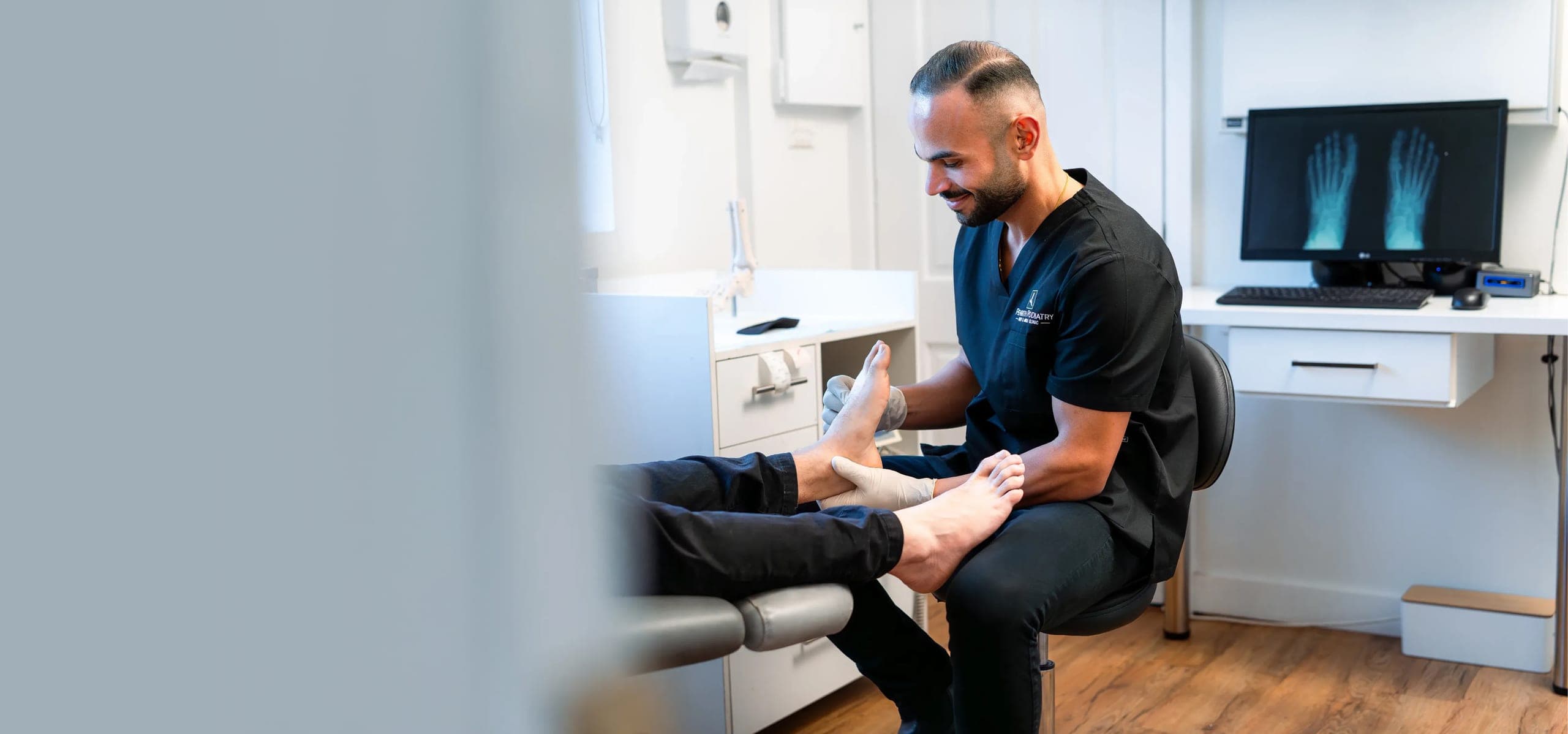
Diagnosis is clinical in the first instance - your podiatrist can usually identify plantar fasciitis from your history and a physical examination. Imaging confirms severity or rules out other causes.
Detailed history
a full review of when and how the pain occurs
Palpation
of the plantar fascia and heel to locate the source
Flexibility check
of ankle dorsiflexion and calf tightness
Gait & posture analysis
to identify mechanical contributors
In-clinic diagnostic ultrasound
real-time imaging of plantar fascia thickness, quality and any degeneration or tearing
X-ray referral
if a heel spur or stress fracture is suspected
Treatment for Plantar Fasciitis
Plantar fasciitis responds well to a structured programme - research consistently shows over 90% of patients recover with conservative care. Evidence-based options include:
- Stretching programme - targeted calf and plantar fascia stretches multiple times daily, especially before getting out of bed
- Custom foot orthotics - designed for the mechanical drivers of your condition, supporting the arch and reducing strain
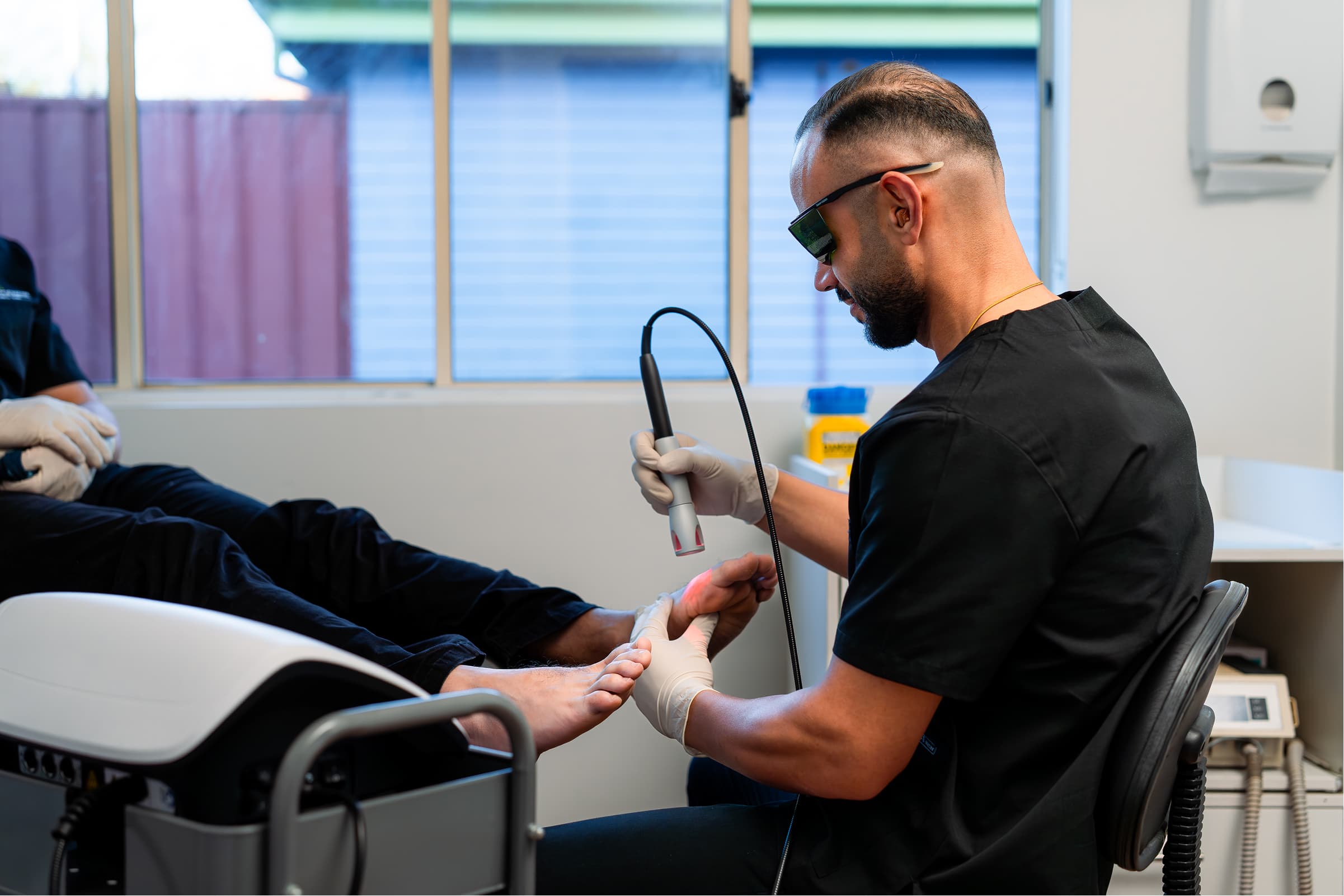
- Shockwave therapy (ESWT) - strong evidence for chronic cases; stimulates the body's repair response over 3-6 sessions
- Footwear advice - identifying problem footwear and advising alternatives with proper arch support and cushioning
- Load management - structured advice on modifying activity to allow healing while maintaining function
- Night splinting - a splint worn while sleeping to hold a gentle stretch and reduce morning pain
- Dry needling - targets trigger points in the calf and plantar fascia to relax contributing muscles
- Corticosteroid injection - ultrasound-guided, for significant inflammation not settling with other measures
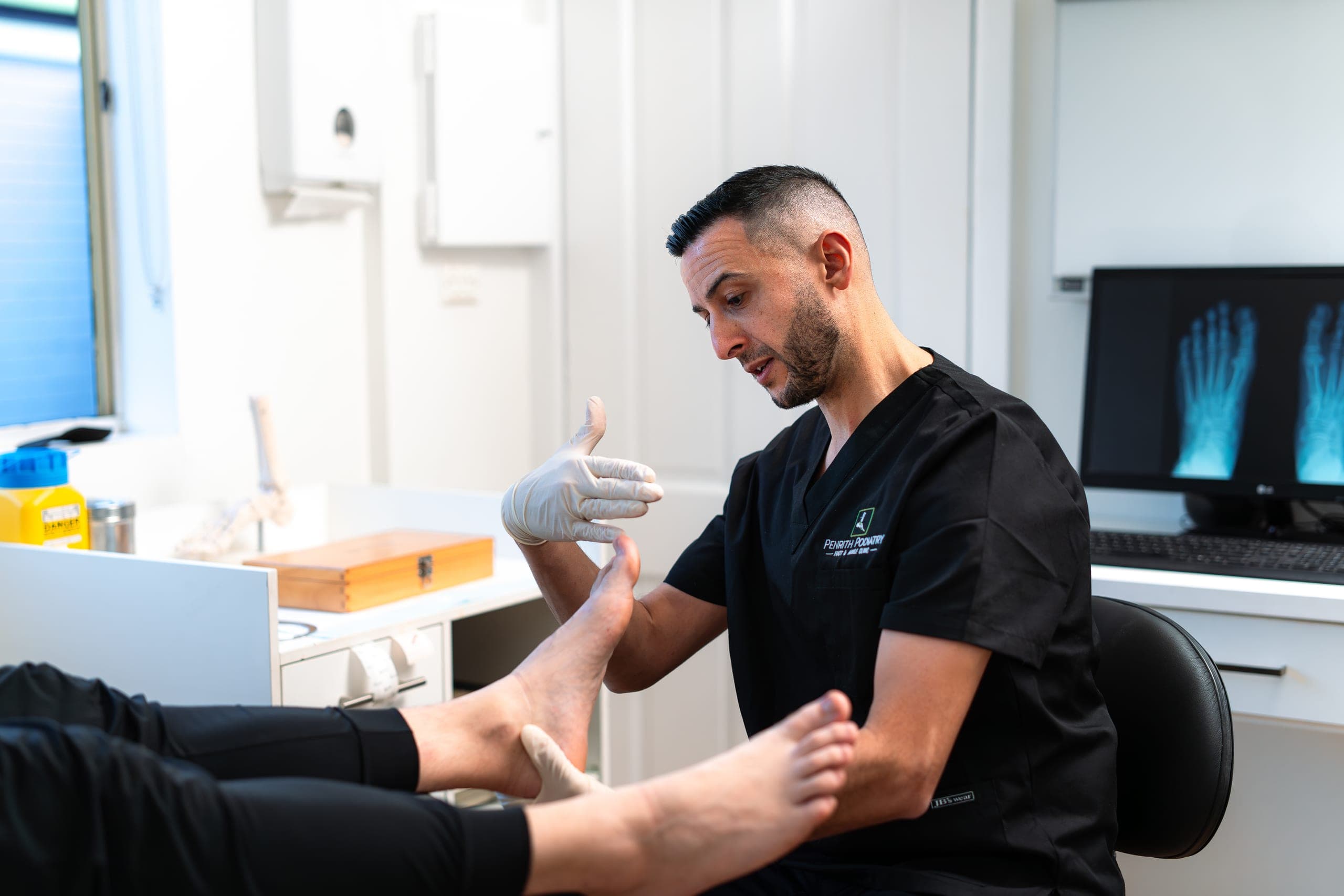
Recovery is rarely instant: mild-to-moderate cases improve within 8-12 weeks, while chronic cases (12+ months) may take 6 months or longer. Starting early is the single biggest factor in a faster recovery.
When Conservative Treatment Is Not Enough
A small percentage of cases become truly chronic and don't resolve with extended conservative care. Further options may then be considered - platelet-rich plasma (PRP) injection guided by ultrasound, minimally invasive procedures, or surgical plantar fascia release (only after 9-12 months of failed structured treatment). Surgery is uncommon and never the first option; when required, outcomes are generally good with appropriate patient selection.
Plantar Fasciitis FAQs
Is plantar fasciitis the same as a heel spur?
No. Plantar fasciitis is inflammation of the soft tissue; a heel spur is a bony growth that may develop from chronic plantar fascia tension. Many people with plantar fasciitis have no spur, and many with a spur have no pain.
Does plantar fasciitis go away on its own?
Sometimes, but often not without addressing the underlying mechanical factors. Without treatment it can become chronic and take much longer to resolve. Structured treatment consistently produces better, faster outcomes.
Can I run with plantar fasciitis?
It depends on severity. Many patients continue modified activity during recovery. Your podiatrist will advise appropriate activity levels for your specific presentation.
What is the fastest way to treat plantar fasciitis?
Combining stretching, orthotic support, footwear correction and shockwave therapy (for persistent cases) typically produces the best outcomes. There is no single quick fix, but a targeted programme delivers consistent results.
Serving Penrith & Western Sydney
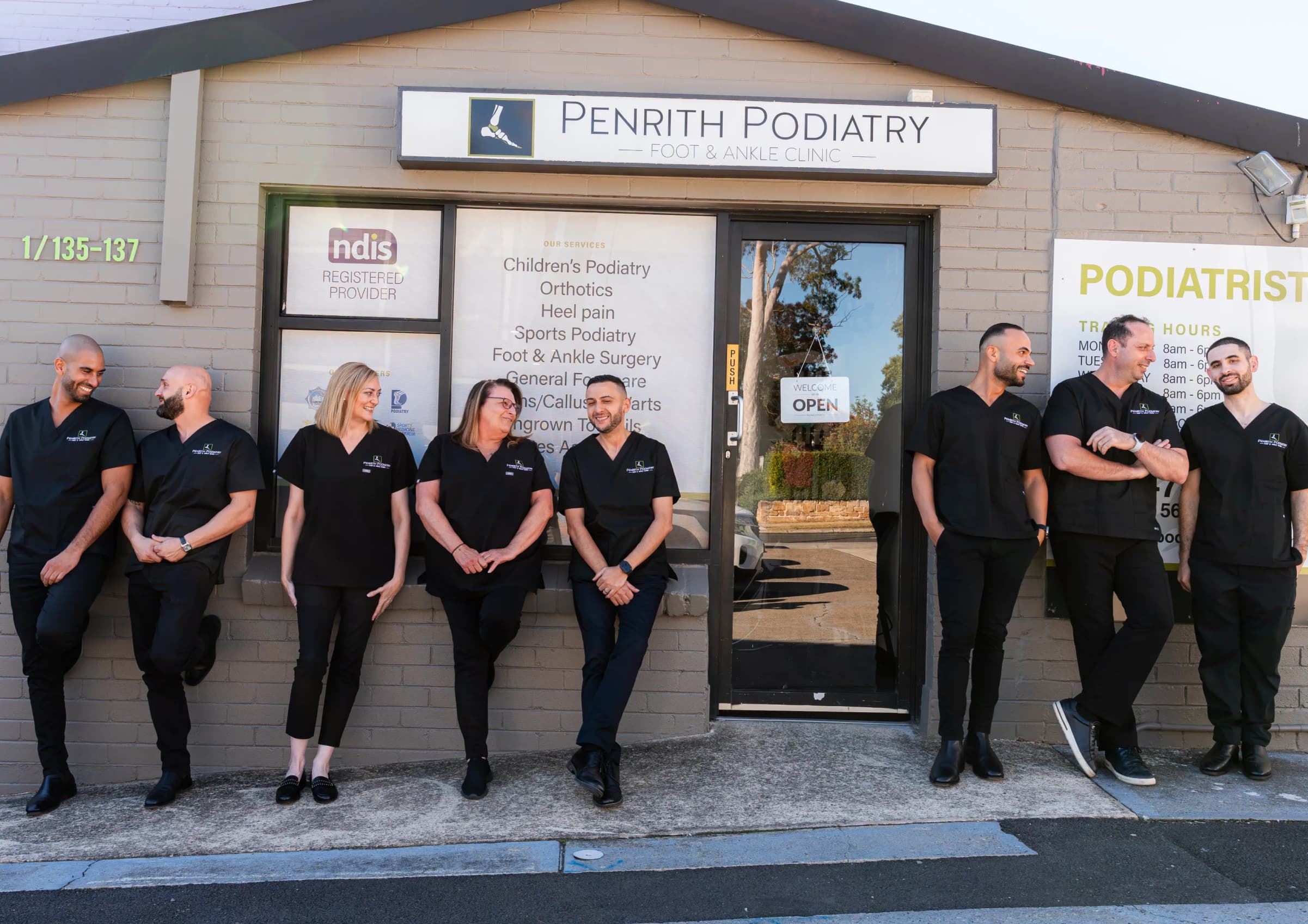
Penrith Podiatry Foot and Ankle Clinic is at 1/135-137 High Street, Penrith, seeing patients from Kingswood, Glenmore Park, Emu Plains, St Marys and the lower Blue Mountains. If morning heel pain is the first thing you think about when you get out of bed, it is time to have it properly assessed.
Related conditions
Heel Pain
Sharp morning heel pain or a dull daily ache - diagnosed with in-clinic ultrasound and treated.
Learn moreAchilles Tendon Pain
Stiff, aching pain in the Achilles tendon - a loading problem that responds to structured rehab.
Learn moreForefoot Pain
Pain in the ball of the foot - a symptom pattern with several causes, almost always treatable conservatively.
Learn moreRequest an appointment
Send a few details and our team will be in touch to arrange a time that suits you.
Visit the clinic
Penrith, NSW 2750