
Stress Fracture Treatment in Penrith
Localised foot or ankle pain that gets worse the more you run and eases with rest? Stress fractures are frequently mistaken for soft-tissue strain - and returning too soon is the most common cause of re-injury.
- Imaging-led diagnosis
- Offloading & boot management
- Graduated return-to-run

- 60+Years Combined Experience
- 4.9Google Rating (185+)
- Specialist Podiatric Surgeon on team
- Endorsed for Scheduled Medicines
What Is a Stress Fracture?
A stress fracture is a small crack or area of severe bruising within a bone, caused by repetitive mechanical loading rather than a single traumatic event. Unlike an acute fracture from a fall, it develops gradually as repeated stress accumulates faster than the bone can remodel and repair itself.
In the foot and ankle, stress fractures most commonly affect the metatarsals (particularly the second and third), the navicular, the calcaneus and the fibula. They're especially common in runners, military recruits, dancers, and anyone who has recently increased their activity level significantly.
Because they often present with aching pain rather than sharp immediate pain, they're frequently misidentified as tendinopathy or soft-tissue strain and managed incorrectly for weeks before the correct diagnosis is made.

Who Gets Stress Fractures?
Risk factors include:
Training spike
A rapid increase in training volume, distance or intensity
Hard surfaces
Running on hard surfaces without adequate footwear
Foot mechanics
Biomechanical factors including flat feet or rigid high arches
Low bone density
Low bone density (osteopenia or osteoporosis), particularly in women
Poor nutrition
Poor nutritional status including low calcium and vitamin D
Female athlete triad
The female athlete triad (low energy availability, menstrual dysfunction, low bone density)
Return too soon
Returning to training too quickly after a rest period
Symptoms
The hop test is a useful indicator - hopping on the affected foot and reproducing the pain strongly suggests a stress fracture.

Localised pain
Gradual onset of pain in a specific, localised area of the foot or ankle
Worse on weight-bearing
Pain that worsens with weight-bearing activity and eases with rest
Point tenderness
Point tenderness on the bone, reproducible when pressing the exact spot
Swelling & bruising
Mild swelling or bruising over the affected area
Earlier onset
Pain that begins at the end of a run, then starts progressively earlier
Pain at rest
In advanced cases, pain with walking or even at rest

How Is It Diagnosed?
Diagnosis requires imaging - clinical assessment alone cannot confirm or exclude a stress fracture. Assessment includes:
Activity history
of training load and symptom onset
Provocative testing
point palpation, hop test and tuning-fork test
Biomechanics & footwear
assessment of contributing load
X-ray
may show the fracture or periosteal reaction, but is often negative for 2-3 weeks after onset
MRI
the gold standard for early diagnosis - identifies bone stress before it's visible on X-ray and grades severity
Treatment
The vast majority of stress fractures heal without surgery given appropriate load management. Certain sites (navicular, sesamoid, fifth metatarsal base) carry a higher risk of delayed healing and need closer monitoring. Treatment includes:
- Load management & relative rest - activity modification to reduce weight-bearing load; some sites need complete non-weight-bearing
- Moon boot / CAM walker - protecting the fracture site while allowing mobilisation
- Graduated return-to-activity - a structured programme once pain has resolved and the bone has healed
- Footwear & orthotic review - addressing the biomechanics that overloaded the affected bone
- Bone health assessment - important for female athletes, adolescents or anyone with suspected low bone density; referral to GP or endocrinologist where indicated
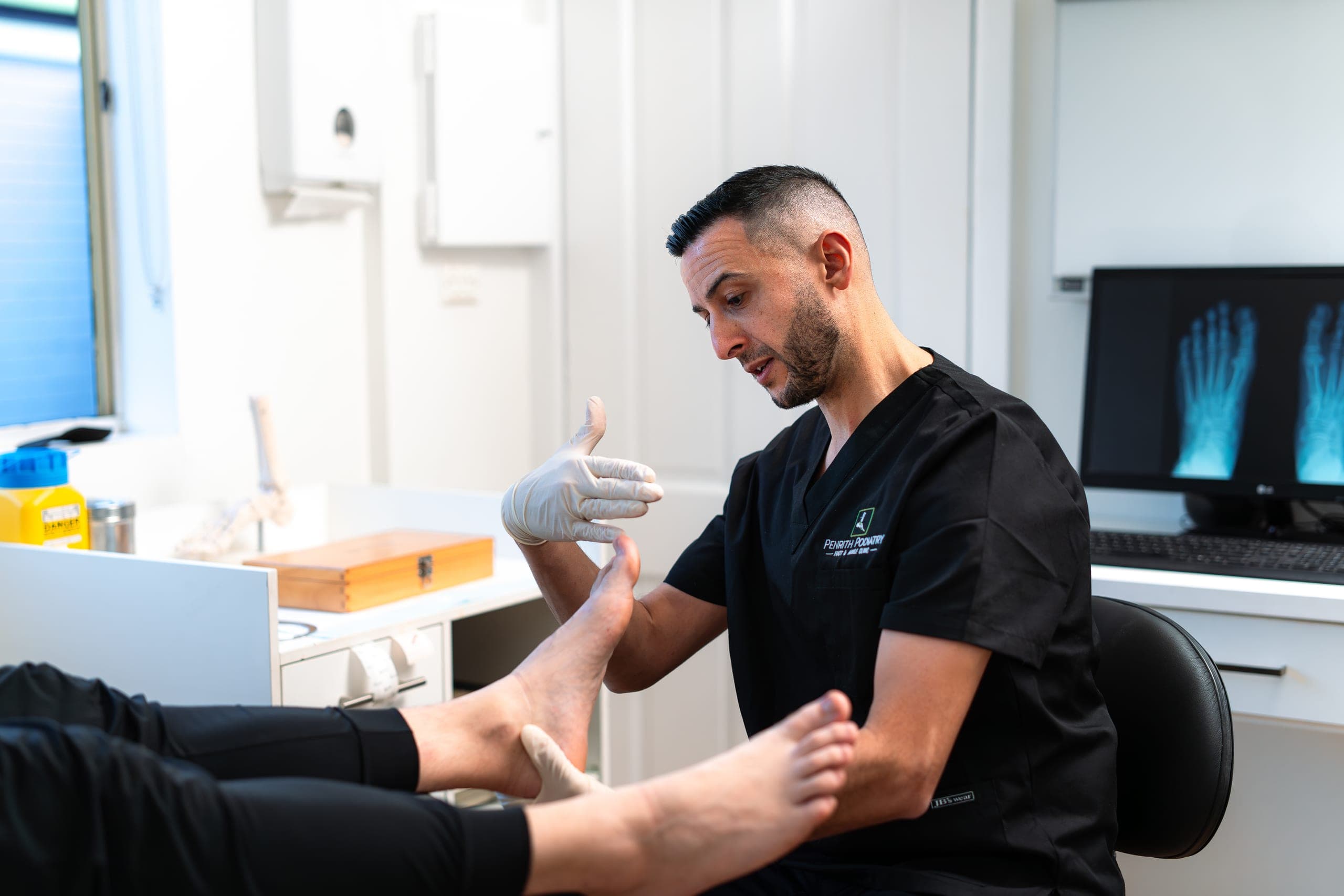
Most metatarsal stress fractures heal within 6-8 weeks of appropriate management. Navicular stress fractures require longer immobilisation.
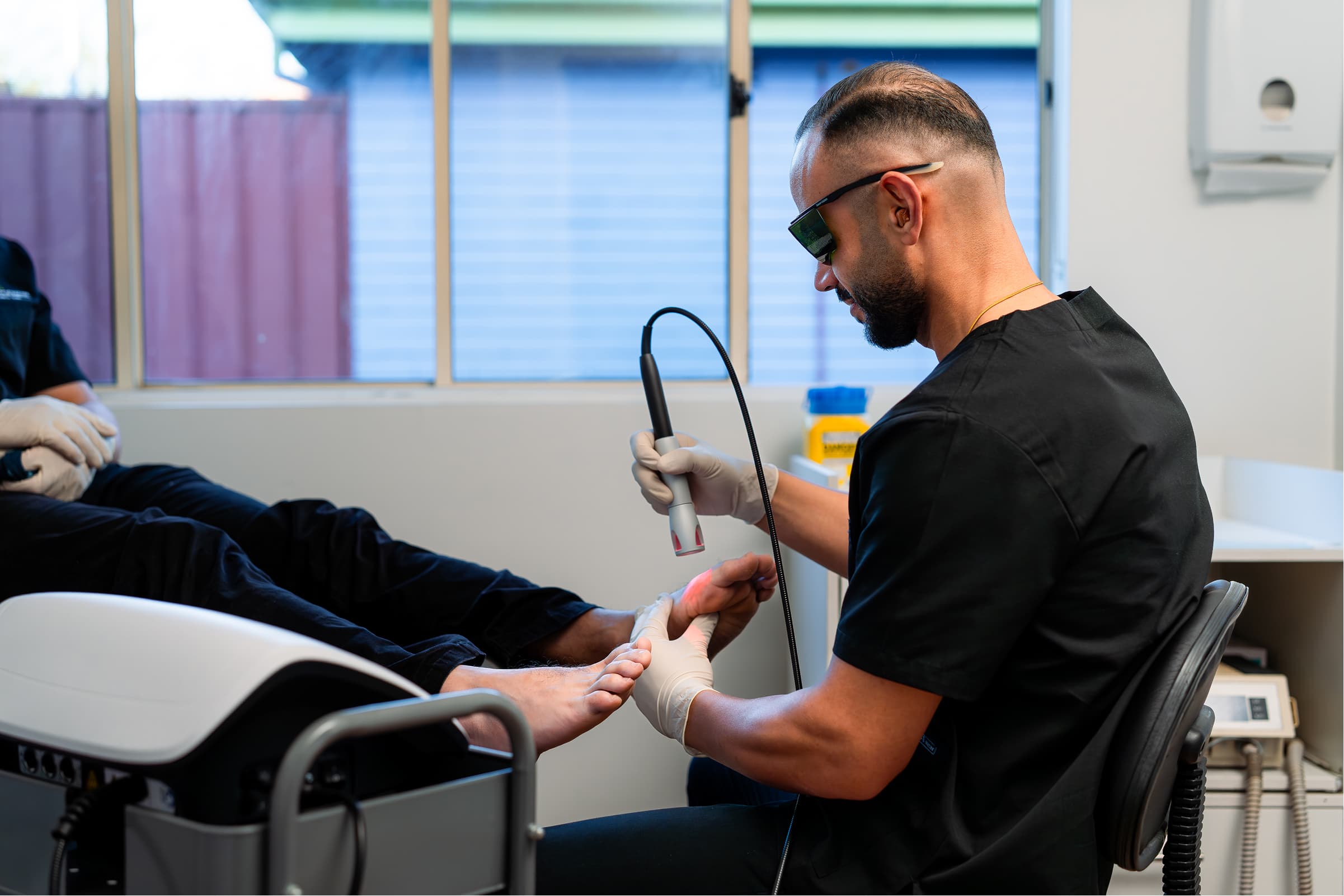
Returning to Sport
Returning too soon is the most common cause of re-fracture. Return should be guided by pain resolution and, in high-risk locations, confirmed healing on imaging. A graduated return-to-run programme supervised by your podiatrist significantly reduces recurrence risk.
Stress Fractures FAQs
Can I walk on a stress fracture?
It depends on location and severity. Some allow modified weight-bearing in a protective boot; others require crutches and non-weight-bearing rest. Your podiatrist will advise based on imaging and clinical assessment.
My X-ray was normal but I still have pain. Could it still be a stress fracture?
Yes. X-rays are frequently negative in the early stages. MRI is far more sensitive and can identify bone stress before it appears on X-ray, so MRI referral is warranted if clinical suspicion is high.
How long before I can run again?
Most metatarsal stress fractures allow a graduated return to running within 8-10 weeks. Higher-risk sites such as the navicular may take 12 weeks or longer. A structured return-to-run programme is essential to avoid re-injury.
How do I prevent stress fractures in the future?
Gradual training-load increases (no more than 10% per week), appropriate footwear, biomechanical assessment, and adequate calcium and vitamin D are the key strategies. If you've had multiple stress fractures, bone density testing is worthwhile.

Serving Penrith & Western Sydney
Penrith Podiatry Foot and Ankle Clinic is at 1/135-137 High Street, Penrith, assessing and managing stress fractures for patients from Kingswood, St Marys, Emu Plains, Glenmore Park and the Blue Mountains. If you have focal foot pain that worsens the longer you train, don't assume it's just soft tissue - book an assessment.
Related conditions
Heel Pain
Sharp morning heel pain or a dull daily ache - diagnosed with in-clinic ultrasound and treated.
Learn moreAchilles Tendon Pain
Stiff, aching pain in the Achilles tendon - a loading problem that responds to structured rehab.
Learn moreForefoot Pain
Pain in the ball of the foot - a symptom pattern with several causes, almost always treatable conservatively.
Learn moreRequest an appointment
Send a few details and our team will be in touch to arrange a time that suits you.
Visit the clinic
Penrith, NSW 2750