
Posterior Tibial Tendon Dysfunction (PTTD) Treatment in Penrith
Noticed your arch flattening over time, with pain on the inner side of your ankle? PTTD is progressive - early diagnosis is the single most important factor in avoiding surgical reconstruction.
- In-clinic diagnostic ultrasound
- Custom orthotics & bracing
- All stages assessed
- 60+Years Combined Experience
- 4.9Google Rating (185+)
- Specialist Podiatric Surgeon on team
- Endorsed for Scheduled Medicines
What Is Posterior Tibial Tendon Dysfunction?
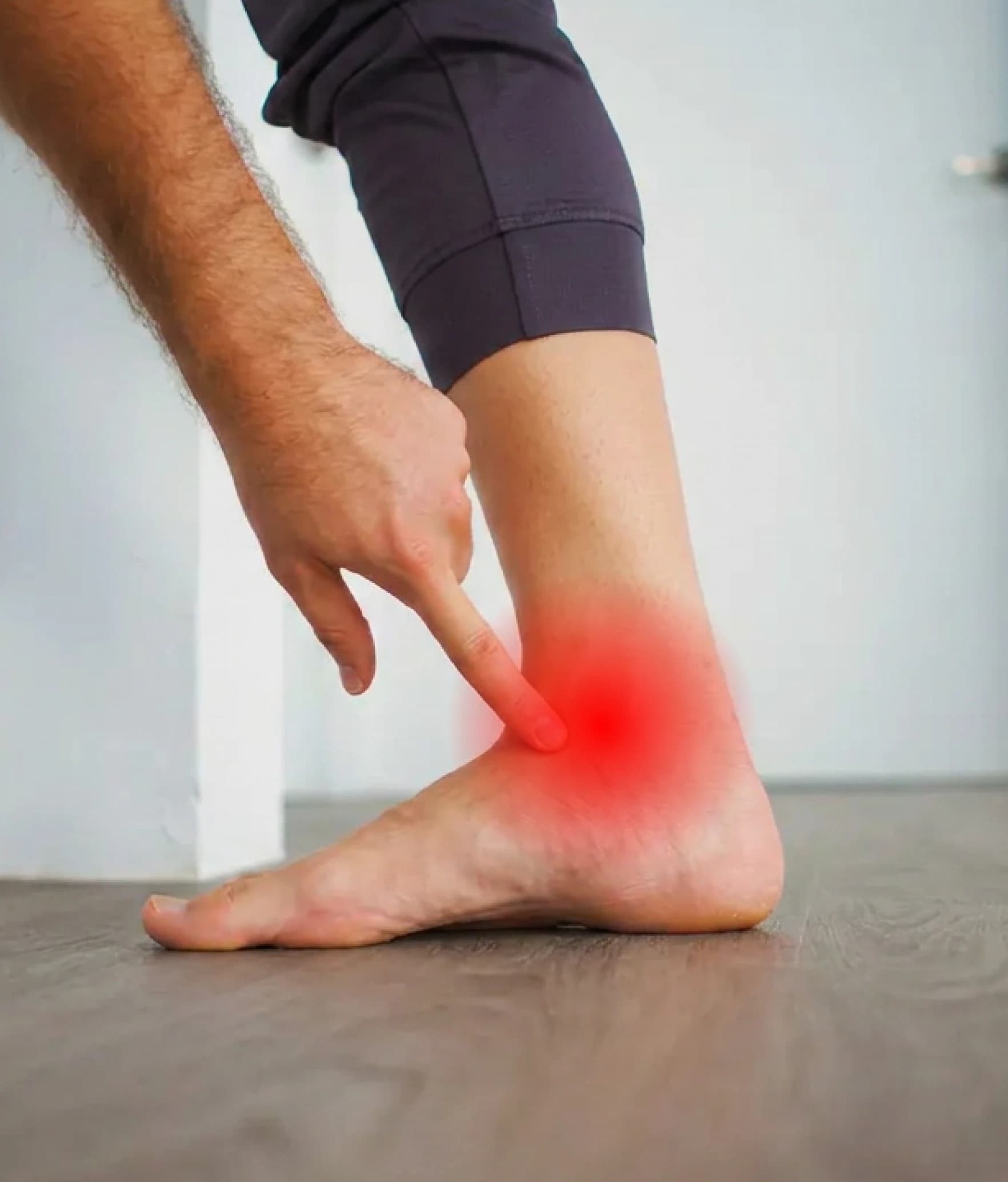
The posterior tibial tendon runs from the calf, around the inner ankle, to attach across the inner midfoot. Its primary role is to support the medial arch during walking and help the foot roll outward during push-off.
PTTD is a progressive condition where this tendon becomes inflamed, degenerates and ultimately fails. As it weakens it can no longer maintain the arch, and the foot progressively collapses inward - an acquired flat foot deformity that, in later stages, involves not just the tendon but the surrounding ligaments, joints and bony alignment of the whole hindfoot.
It's one of the most important foot and ankle conditions to diagnose and treat early: early stages are highly manageable with conservative care, while advanced stages may require complex surgical reconstruction.
Why It Happens
PTTD most commonly develops in middle-aged to older adults, particularly women, and in people with:
Pre-existing flat feet
Pre-existing flat feet or excessive pronation
Increased load
Obesity, which increases the load on the tendon
Diabetes & BP
Hypertension and diabetes, associated with tendon degeneration
Prior injury
A history of ankle sprains or injury to the inner ankle
Inflammatory arthritis
Rheumatoid and other inflammatory arthritis
Steroid injection
Steroid injection around the tendon, in some cases
Stages of PTTD
PTTD is classified in stages that reflect how far it has progressed:
Stage 1
the tendon is inflamed and painful but the arch is maintained; a single-leg heel raise is still possible
Stage 2
the tendon has partially failed and the arch is flattened but still flexible; heel raise is weak or impossible
Stage 3
the deformity has become fixed and rigid; the hindfoot joints are no longer correctable
Stage 4
the ankle joint itself is affected, with valgus tilt and associated arthritis
Symptoms
Inner-ankle pain
Pain and swelling along the inner ankle, from behind the ankle bone down to the midfoot
Flattening arch
Progressive flattening of the arch
Inward roll
The foot rolling inward with walking
Weak heel raise
Difficulty performing a single-leg heel raise
Walking fatigue
Pain and fatigue with walking, particularly on uneven ground
Too-many-toes sign
More than two toes visible lateral to the heel when viewed from behind
Assessment
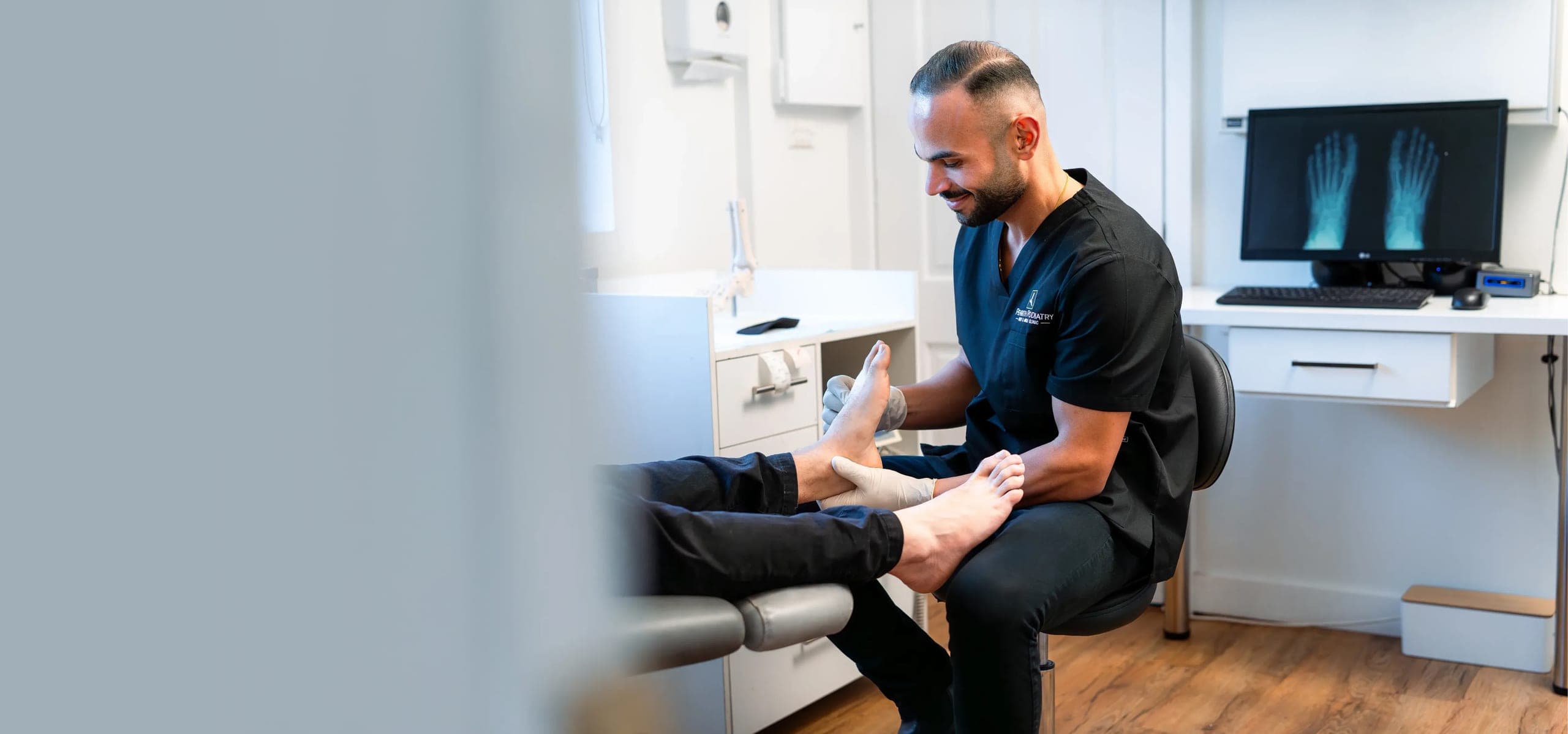
Assessment at Penrith Podiatry includes:
History
of symptom onset and progression
Heel-raise testing
single-leg heel raise, both sides compared
Posture assessment
in static and dynamic positions
Flexibility
of the deformity - flexible versus fixed
In-clinic ultrasound
tendon structure, thickness and integrity - identifies degeneration and partial tears
X-ray / MRI referral
to assess arch collapse, hindfoot alignment and tendon detail
Conservative Treatment (Stages 1 and 2)
Early intervention is critical - Stages 1 and 2 are highly responsive to conservative management. Treatment includes:
- Custom orthotics with medial arch support - the cornerstone of conservative care - supports the arch and offloads the failing tendon; must be appropriately rigid to be effective
- AFO or Arizona brace - for Stage 2 or significant collapse, a more supportive device controlling hindfoot alignment
- Immobilisation - in acute Stage 1 with significant pain, a period in a moon boot settles the inflammation
- Strengthening programme - graduated posterior tibial tendon, calf and hip strengthening
- Footwear advice - firm, motion-control footwear to complement orthotic support
- Activity & weight management - reducing high-load activity and mechanical load on the tendon
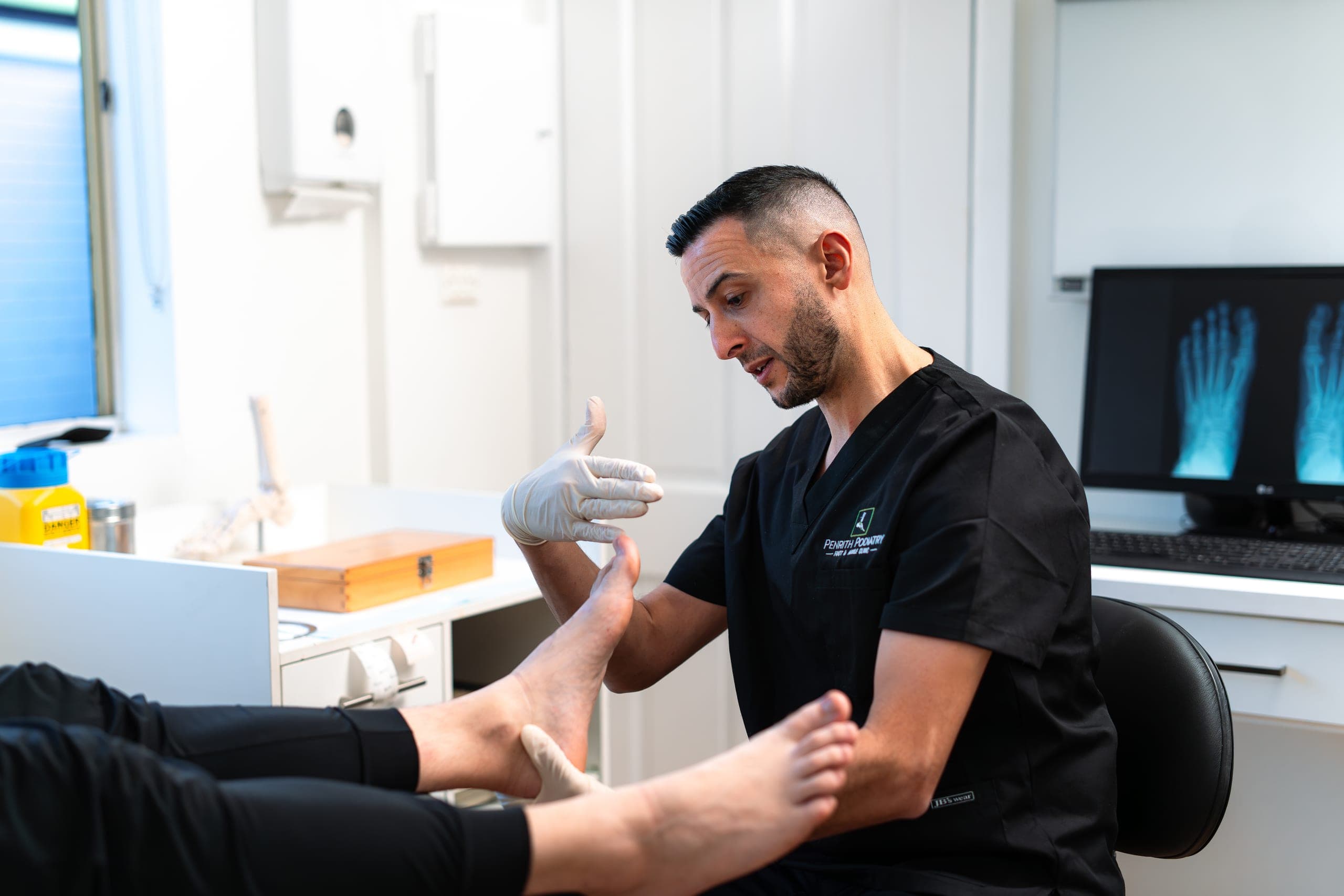
Early diagnosis is the single most important factor in avoiding surgical reconstruction - a Stage 1 condition managed with orthotics can otherwise advance to a rigid Stage 3-4 deformity.
When Surgery Is Considered
For Stage 2 cases that haven't responded to structured conservative care, and for Stages 3 and 4, surgery is generally indicated. It varies by stage - tendon transfer and calcaneal osteotomy for Stage 2, subtalar and midfoot fusion for rigid Stage 3, and additional ankle management (including fusion or replacement) for Stage 4. Surgical management is complex and planned with a foot and ankle surgical specialist; your podiatrist coordinates the referral pathway.
Posterior Tibial Tendon Dysfunction FAQs
How do I know if I have PTTD or just flat feet?
Flat feet present since childhood are typically a normal variant. PTTD involves a progressive change - the arch is visibly flattening over months or years, with inner-ankle pain. If your arch was higher before and has been dropping, PTTD is a strong possibility.
Can PTTD be treated without surgery?
Yes, in Stage 1 and many Stage 2 cases. Structured conservative management (orthotics, bracing and strengthening) can halt progression and manage symptoms effectively. Surgery is reserved for severe, fixed, or non-responsive cases.
Is walking good for PTTD?
Modified walking with appropriate support (orthotics and supportive footwear) is generally maintained throughout treatment. Excessive walking, particularly on uneven ground or barefoot, should be avoided during the active treatment phase.
What happens if PTTD is left untreated?
Untreated PTTD progresses through its stages. A Stage 1 condition manageable with orthotics can advance to a Stage 3 or 4 deformity requiring major reconstructive surgery - which is why early assessment makes such a difference to long-term outcomes.

Serving Penrith & Western Sydney
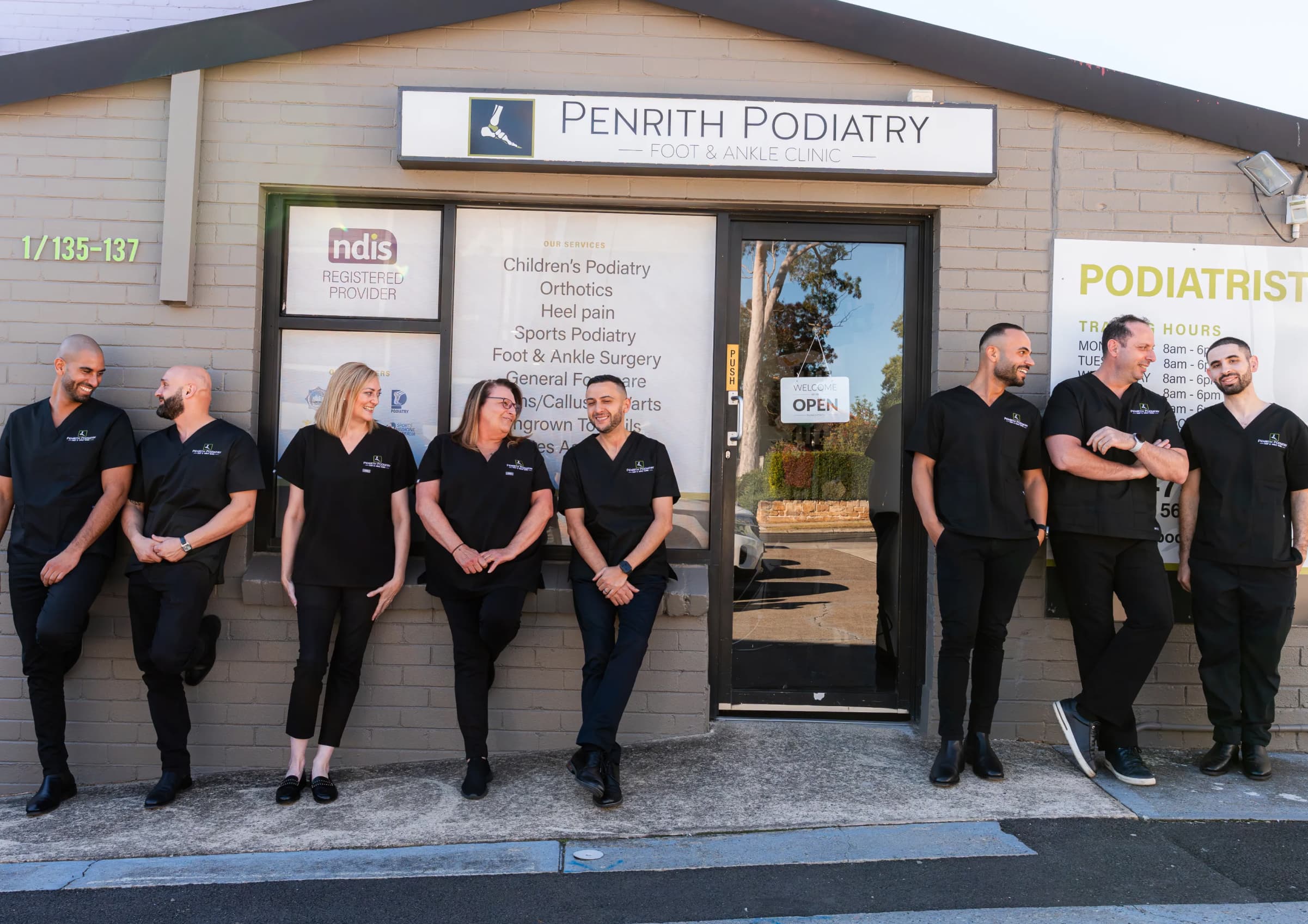
Penrith Podiatry Foot and Ankle Clinic is at 1/135-137 High Street, Penrith, experienced in the assessment and conservative management of PTTD across all stages. If you've noticed your arch progressively flattening or pain developing on the inner side of your ankle, seek assessment promptly.
Related conditions
Flat Feet
Reduced or absent arches - often harmless, sometimes progressive. Assessment tells you which.
Learn moreAnkle Instability
An ankle that keeps giving way after a sprain - rehab resolves most cases, surgery stabilises the rest.
Learn moreAnkle Arthritis
Cartilage wear in the ankle joint - conservative care preserves function and slows progression.
Learn moreRequest an appointment
Send a few details and our team will be in touch to arrange a time that suits you.
Visit the clinic
Penrith, NSW 2750