
Achilles Tendon Pain Treatment in Penrith
Morning stiffness and aching in your Achilles that warms up then returns? Achilles tendinopathy is one of the most commonly mismanaged conditions - and one of the most responsive to a structured loading programme.
- In-clinic diagnostic ultrasound
- Graduated loading programme
- Shockwave therapy
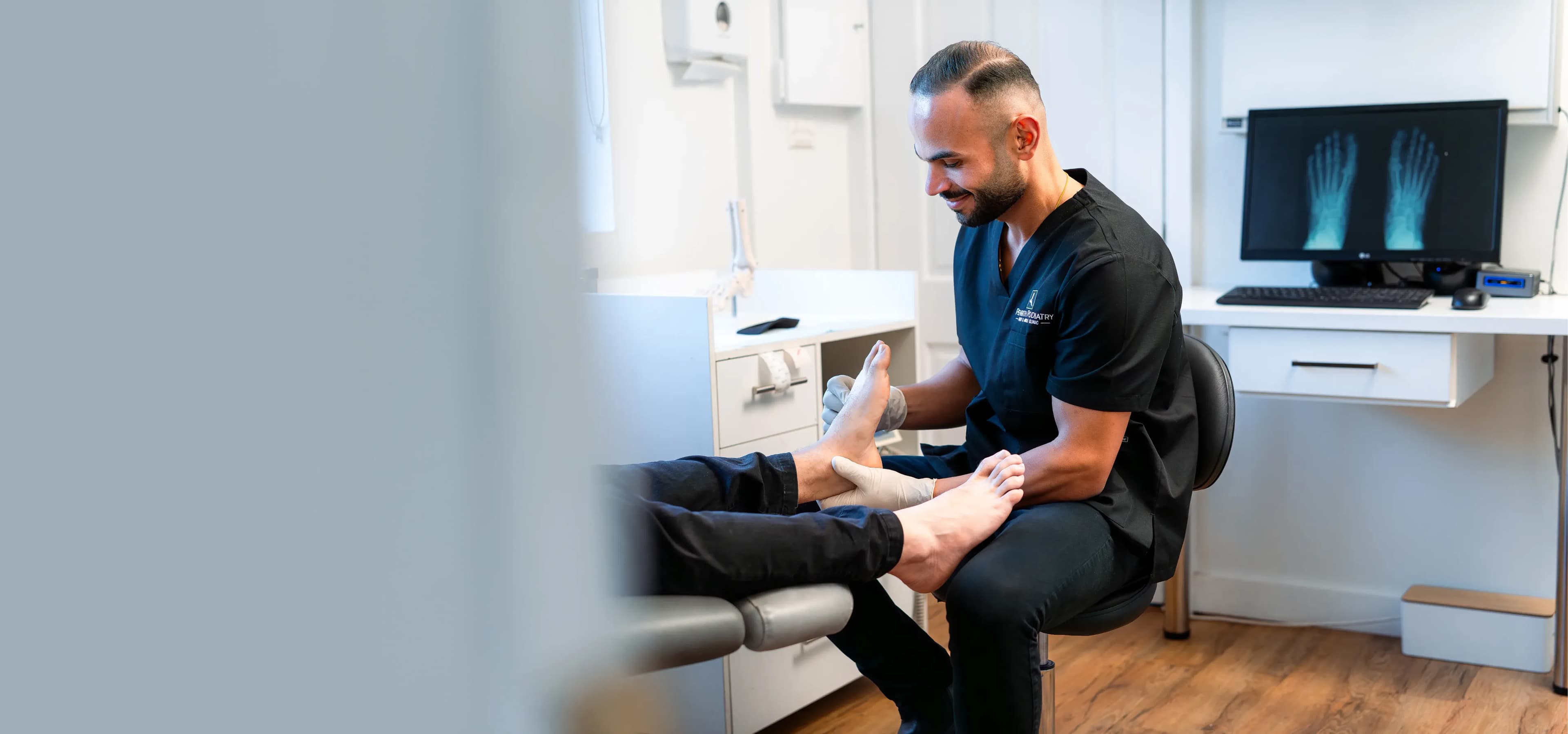
- 60+Years Combined Experience
- 4.9Google Rating (185+)
- Specialist Podiatric Surgeon on team
- Endorsed for Scheduled Medicines
What Is Achilles Tendon Pain?
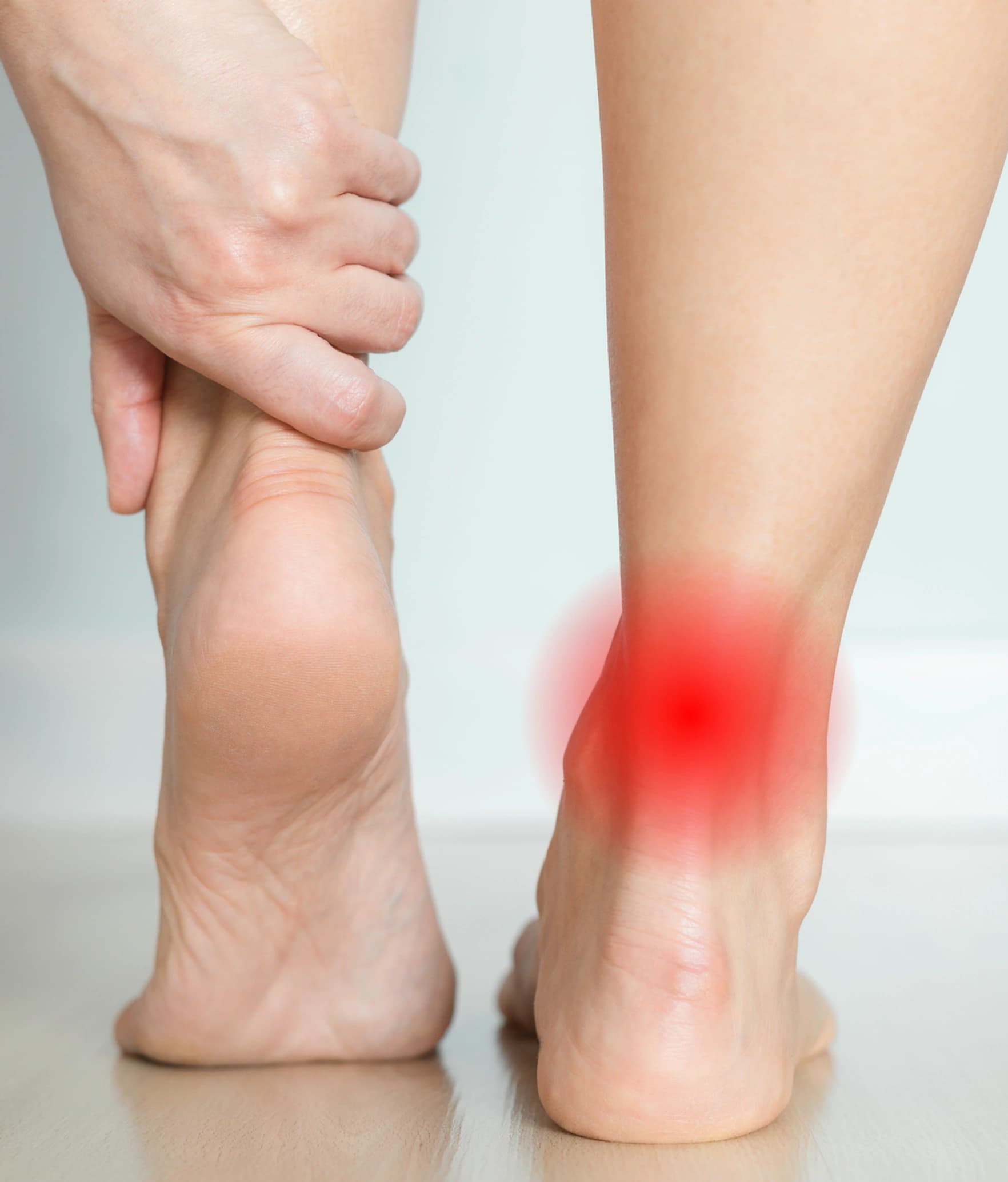
The Achilles tendon is the largest and strongest tendon in the body, connecting the calf muscles to the heel bone and driving every step you take. Achilles pain covers a spectrum from early reactive tendinopathy through to partial or complete rupture.
The most common presentation is Achilles tendinopathy - a degenerative condition caused by cumulative overload that results in pain, stiffness and reduced function. It spans mid-portion tendinopathy (pain 2-6 cm above the heel, the most common type), insertional tendinopathy (pain where the tendon meets the heel, often with a bony Haglund's prominence), partial tears, and complete rupture (a surgical emergency managed separately).
It's one of the most frequently mismanaged foot and ankle conditions. Many people rest, wait for it to settle, return too soon, and the cycle repeats - without addressing the tendon's load tolerance, it becomes chronic.
What Causes It?
Achilles tendinopathy develops when the tendon is exposed to more load than it can currently tolerate. Contributing factors include:
Training spike
A sudden increase in training volume, intensity or frequency
Return after rest
Returning to activity after a period of rest
Calf weakness
Tight or weak calf muscles with poor load absorption
Overpronation
Flat feet or overpronation, increasing rotational load through the tendon
High-heel use
High-heeled footwear worn consistently, shortening the calf-Achilles complex
Age-related change
Age-related changes in tendon quality, particularly in adults aged 35-55
Medication risk
Certain medications (including fluoroquinolone antibiotics) linked to tendon vulnerability
Symptoms
Morning stiffness
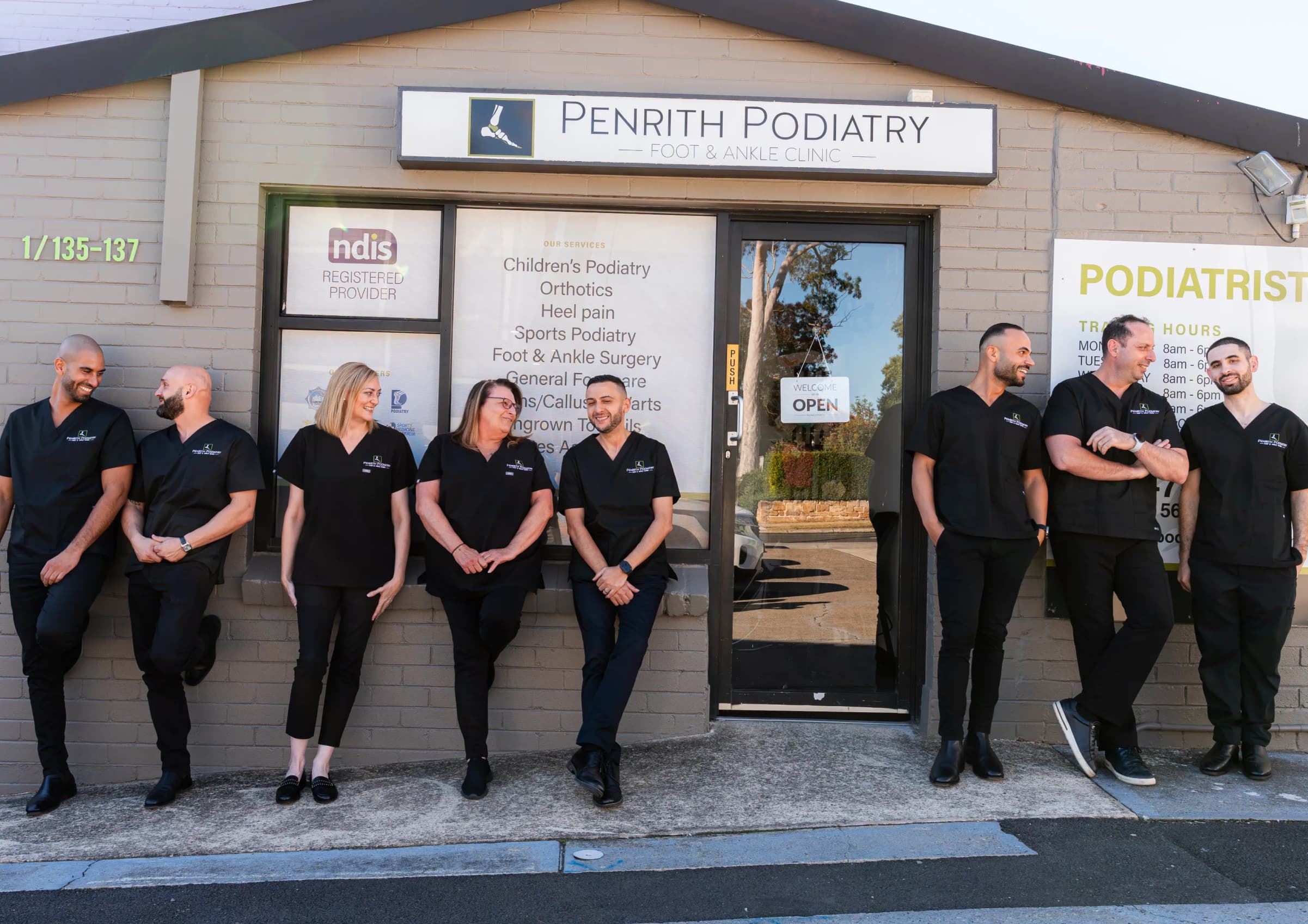
Stiffness and aching after rest, particularly first thing in the morning
Warms up then returns
Pain that warms up with activity but returns afterwards
Tender to squeeze
Tenderness when squeezing the tendon between your fingers
Tendon thickening
Visible thickening or a nodule in the tendon body (mid-portion)
Heel-bone prominence
Pain and a bony prominence at the back of the heel (insertional)
Constant pain
In severe cases, pain that doesn't ease with activity and limits function
How Is It Assessed?
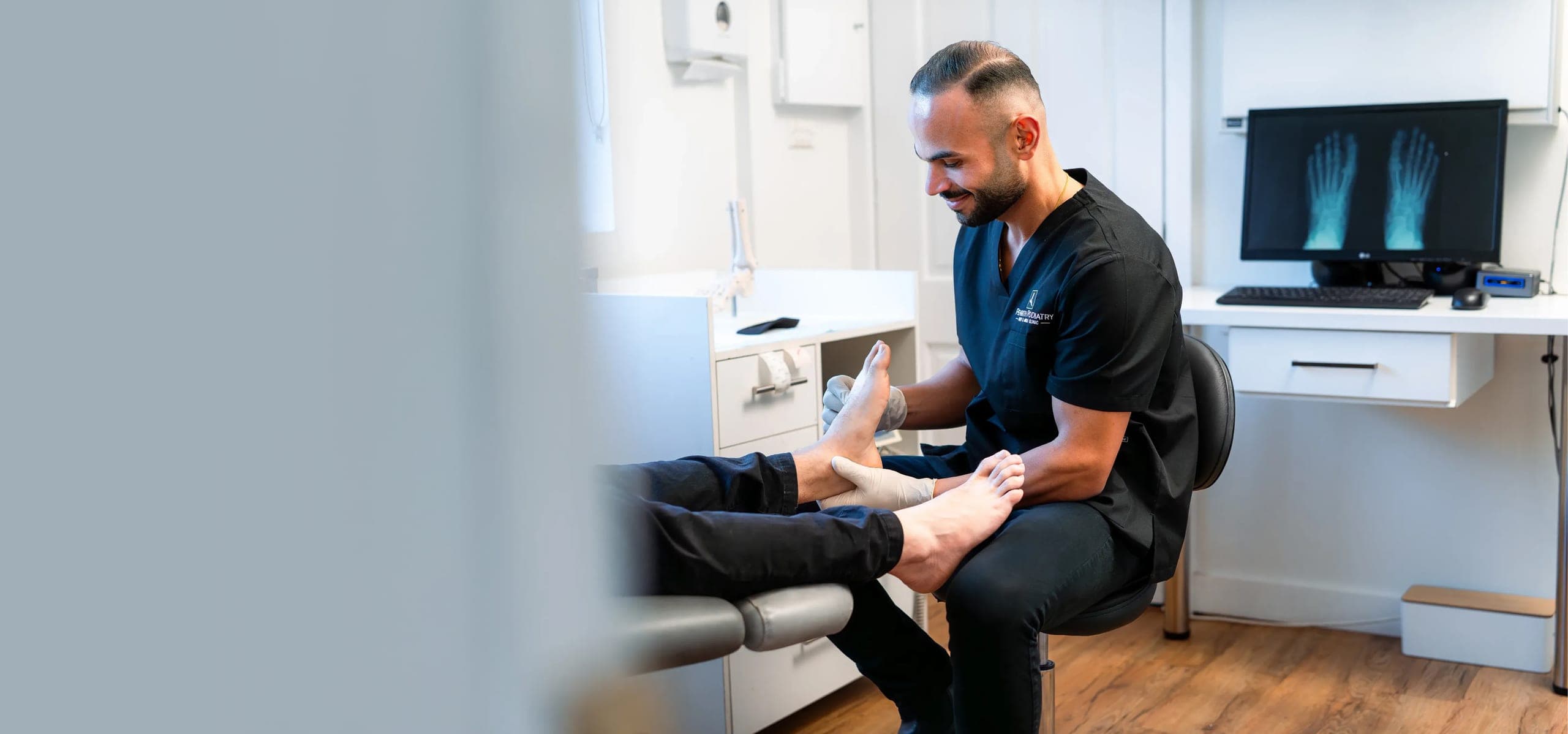
Assessment at Penrith Podiatry includes:
Detailed history
activity levels, training load, footwear and onset
Palpation
of the tendon along its full length
Calf testing
strength and endurance via single-leg heel-raise testing
Range of motion
assessment of ankle movement
In-clinic ultrasound
real-time imaging of tendon structure, thickness and vascularity - identifying degeneration, partial tears and neovascularisation
MRI referral
if a partial or complete tear is suspected
Conservative Treatment
The large majority of Achilles tendinopathy responds well to a structured, progressive loading programme backed by strong clinical evidence. Treatment includes:
- Graduated tendon loading - heavy slow resistance training - the most evidence-based treatment; eccentric and isometric calf work in a structured progression to rebuild tendon capacity
- Load management - modifying training volume, surface and intensity to reduce irritation while maintaining function
- Custom foot orthotics - for contributing biomechanical factors such as overpronation
- Heel raises - temporary heel elevation in footwear to reduce strain during the early reactive phase
- Footwear review - assessing heel drop, cushioning and fit
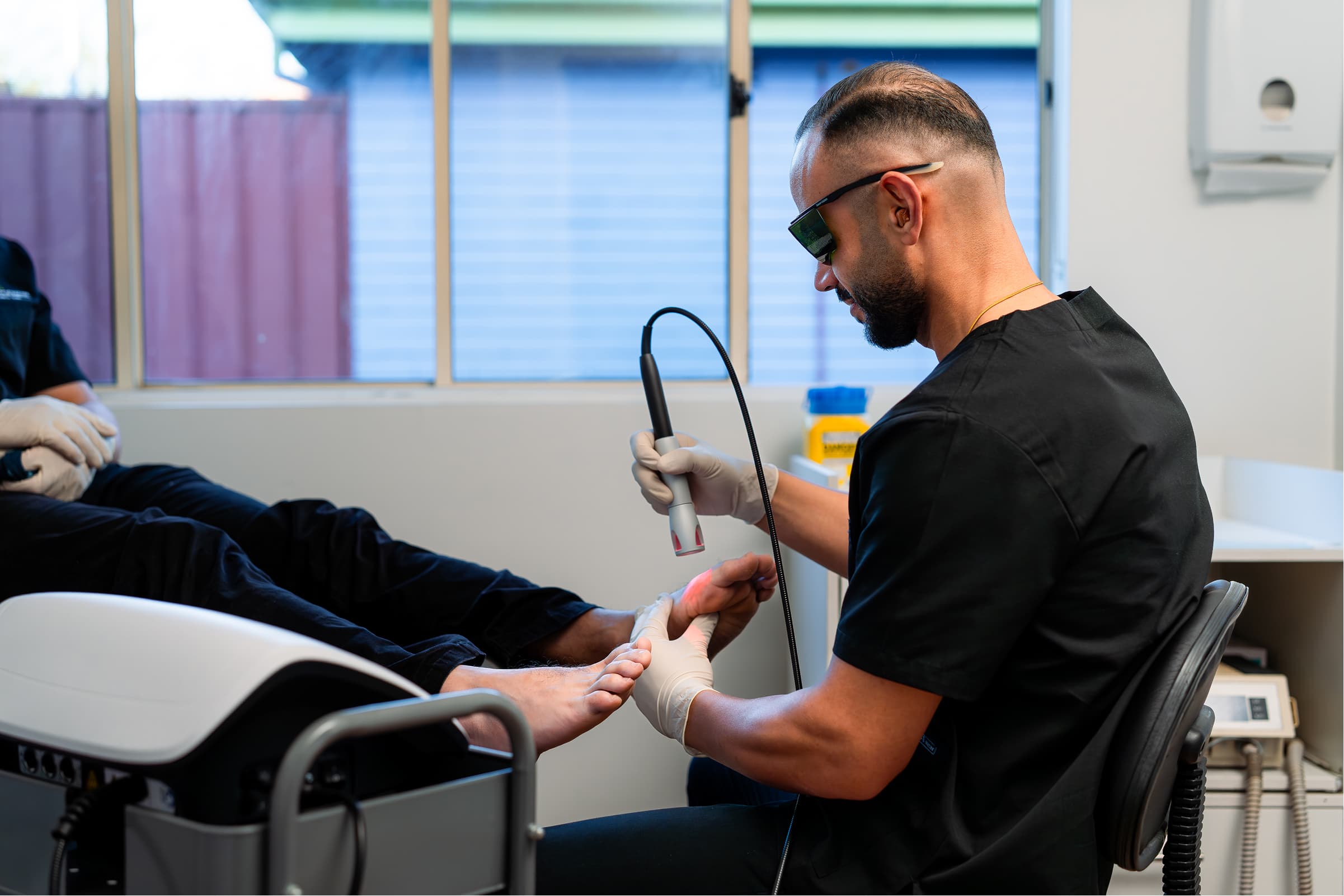
- Shockwave therapy (ESWT) - strong evidence for chronic mid-portion tendinopathy; promotes tendon remodelling and reduces pain
- Ultrasound-guided injections - sclerosing or PRP injections for chronic cases with significant neovascularisation on imaging
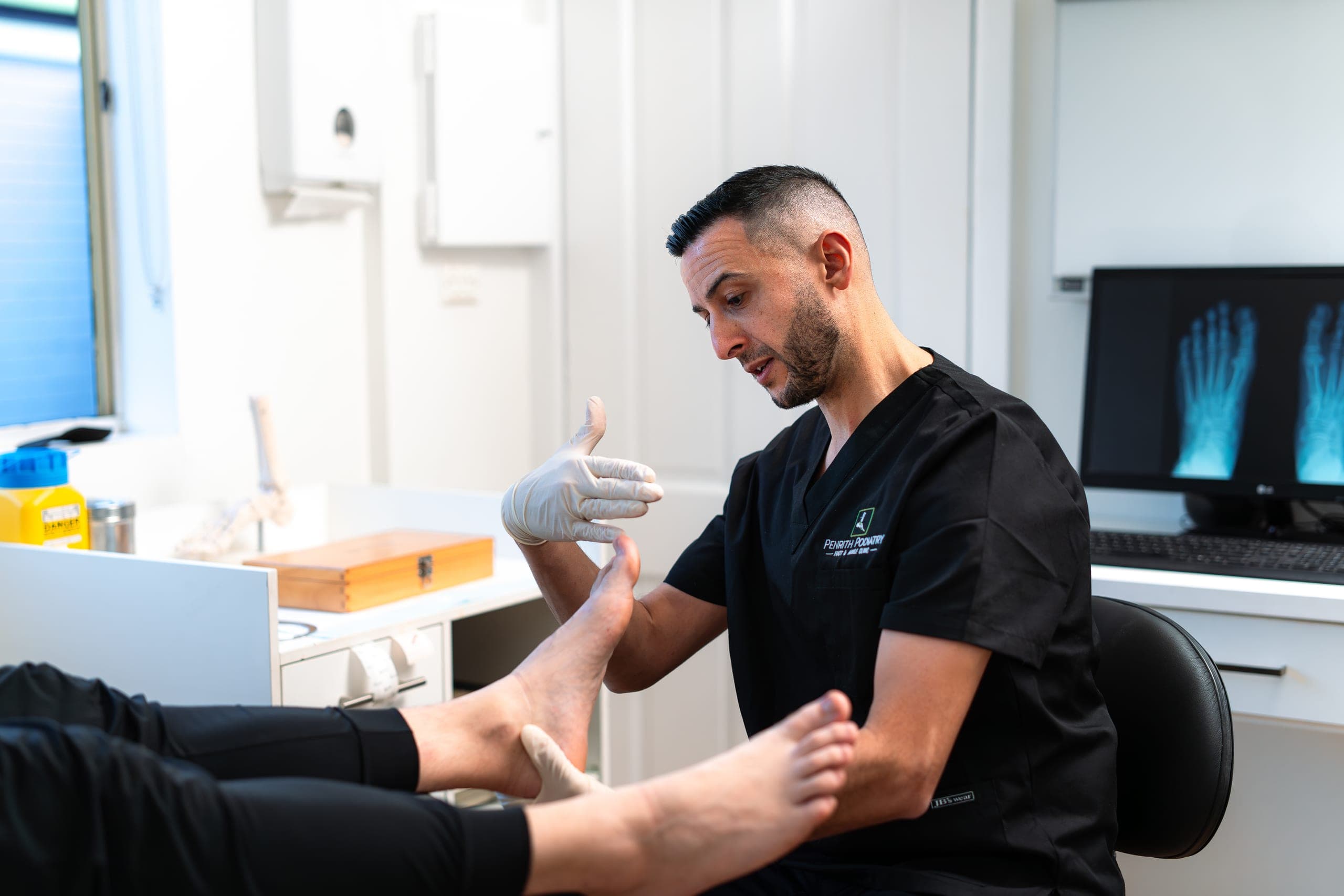
Recovery takes patience: mild presentations may resolve in 8-12 weeks, while chronic cases often need 3-6 months of structured rehabilitation.
When Symptoms Do Not Resolve
For a small proportion with confirmed structural tendon changes or a significant Haglund's deformity, surgical options may include debridement of degenerative tissue, Haglund's resection, or in severe cases tendon repair or augmentation - reserved for patients who've completed a thorough conservative programme without meaningful improvement.
Achilles Tendon Pain FAQs
Should I rest completely with Achilles tendinopathy?
Complete rest is generally counterproductive - the tendon needs graduated load to heal and adapt. Your podiatrist will guide you through an appropriate loading programme.
How long does Achilles tendinopathy take to heal?
Mild cases can improve significantly within 8-12 weeks. Chronic cases may take 4-6 months of structured rehabilitation. Consistency with the loading programme is the most important factor.
Is my Achilles at risk of rupturing?
Achilles tendinopathy does not directly cause rupture in most cases. Structured rehabilitation actually reduces this risk by improving tendon capacity and load tolerance.
Can I keep training with Achilles pain?
Often yes, with modification. Your podiatrist will advise on what activities are safe and help you maintain fitness while the tendon recovers.
Serving Penrith & Western Sydney
Penrith Podiatry Foot and Ankle Clinic is at 1/135-137 High Street, Penrith, assessing and managing Achilles conditions for patients from Kingswood, St Marys, Emu Plains, Glenmore Park and the Blue Mountains. If your Achilles is stiff and sore and not settling, an assessment will get you onto the right loading plan.
Related conditions
Heel Pain
Sharp morning heel pain or a dull daily ache - diagnosed with in-clinic ultrasound and treated.
Learn morePlantar Fasciitis
The most common cause of heel pain - inflammation of the tissue along the sole of the foot.
Learn moreStress Fractures
A small crack in a bone from repetitive load - often missed as 'soft-tissue' pain until imaged.
Learn moreRequest an appointment
Send a few details and our team will be in touch to arrange a time that suits you.
Visit the clinic
Penrith, NSW 2750