
Heel Pain Treatment in Penrith
Sharp, stabbing pain on your first steps in the morning? A dull ache by the end of the day? Heel pain is one of the most common reasons people see a podiatrist - and most cases resolve without surgery.
- In-clinic diagnostic ultrasound
- Custom orthotics
- Shockwave therapy
- 60+Years Combined Experience
- 4.9Google Rating (185+)
- Specialist Podiatric Surgeon on team
- Endorsed for Scheduled Medicines
What Is Heel Pain?
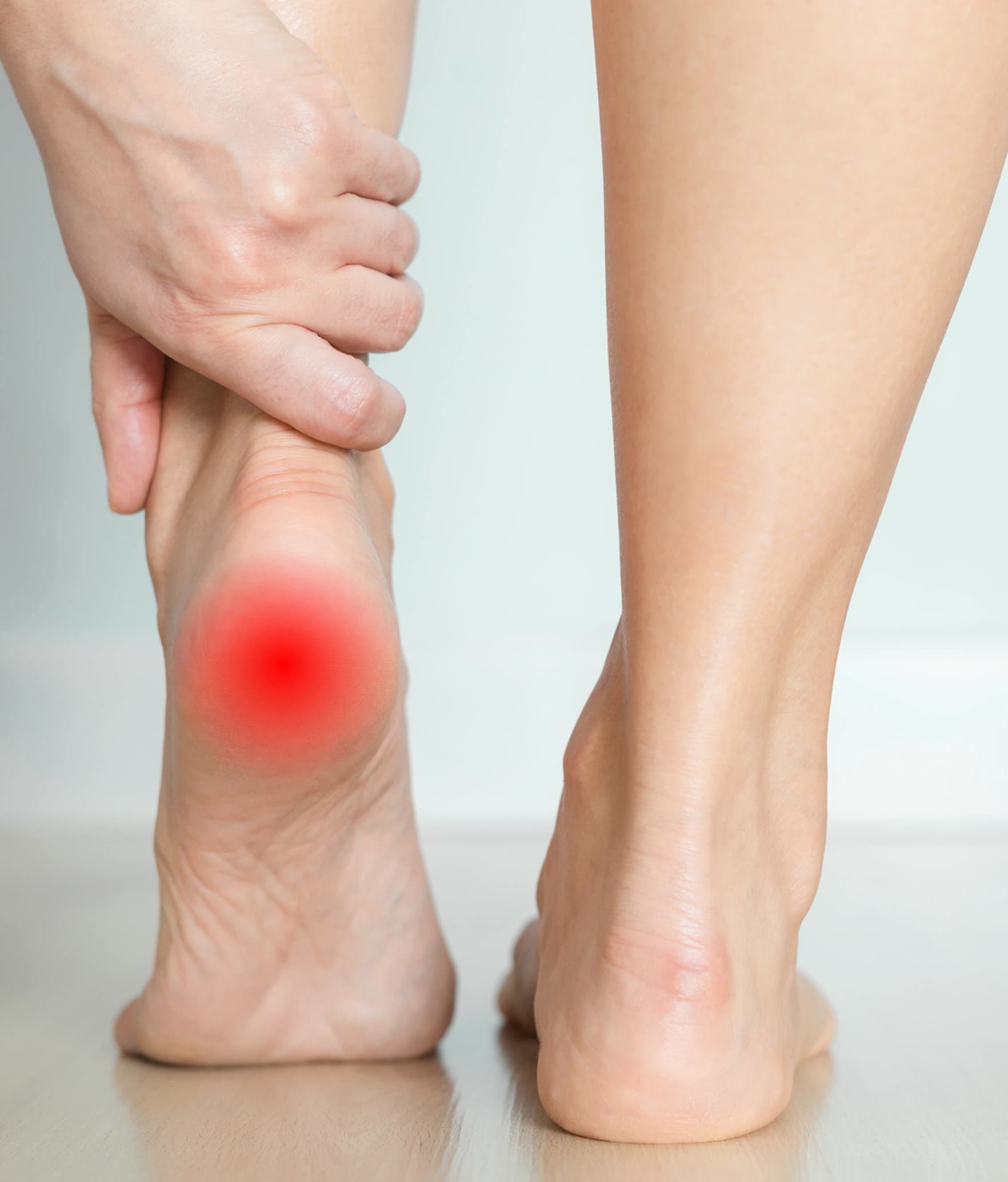
Heel pain can range from a dull ache that builds over months to sharp, stabbing pain that makes walking first thing in the morning almost impossible. The heel bone (calcaneus) bears the full weight of your body with every step - when the structures around it become stressed, overloaded, or injured, pain follows. In most cases it develops gradually, often without a single clear injury.
People across Penrith and the broader Western Sydney region frequently put off seeking help until the pain significantly disrupts daily life. That wait often makes recovery take longer than it needs to.
What Causes Heel Pain?
Heel pain is rarely caused by just one thing. It usually develops from a combination of load, footwear, activity levels, and individual foot mechanics. Common causes include:
Plantar fasciitis
inflammation of the thick band of tissue along the sole of the foot (the most common cause)
Heel fat pad syndrome
breakdown of the cushioning tissue directly under the heel bone
Calcaneal stress fracture
a small crack in the heel bone from repeated impact or overuse
Bursitis
inflammation of the fluid-filled sac at the back of the heel
Sever's disease
a growth-plate condition common in children and teenagers
Trapped or irritated nerves
including heel neuroma or tarsal tunnel involvement
Haglund's deformity
a bony bump at the back of the heel that irritates surrounding tissue
Symptoms to Look Out For
First-step pain
Sharp pain on the bottom or back of the heel, especially with your first steps in the morning.
Eases, then returns
Pain that settles after walking a few minutes, then comes back later in the day.
End-of-day ache
A deep ache at the end of a long day on your feet.
Worse after exercise
Heel pain that flares up after activity rather than during it.
Tender to touch
Tenderness when pressing directly on the heel.
Swelling or redness
Visible swelling or redness around the heel.
How Is Heel Pain Diagnosed?
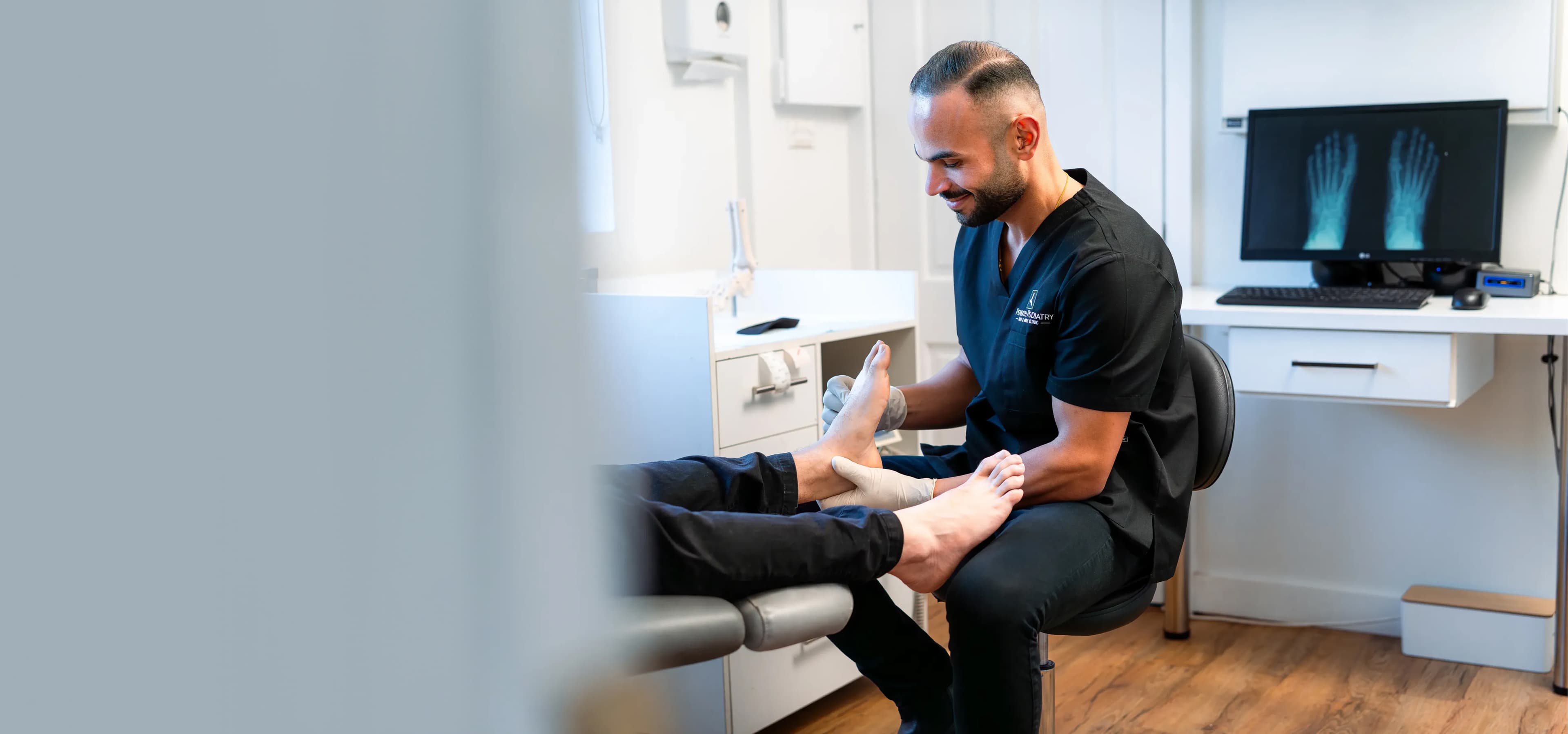
At Penrith Podiatry Foot and Ankle Clinic, assessment involves more than locating where it hurts. Your assessment includes:
Clinical history
A detailed history of when the pain started and what makes it better or worse.
Gait & weight-bearing
Observation of how you stand, walk, and bear weight.
Foot posture assessment
Assessment of foot posture and arch mechanics.
Palpation
Physical palpation to pinpoint the precise source of pain.
In-clinic diagnostic ultrasound
Visualising soft-tissue structures in real time, including the plantar fascia, bursa, and heel pad.
Biomechanical analysis
Carried out where the way you move is contributing to the problem.
Imaging referral
Referral for X-ray or MRI if a stress fracture or other bony pathology is suspected.
Conservative Treatment Options
The large majority of heel pain responds well to conservative treatment, and most people recover fully without any procedure. Treatment may include:
- Custom foot orthotics - prescribed to your foot mechanics to redistribute load away from the irritated structure
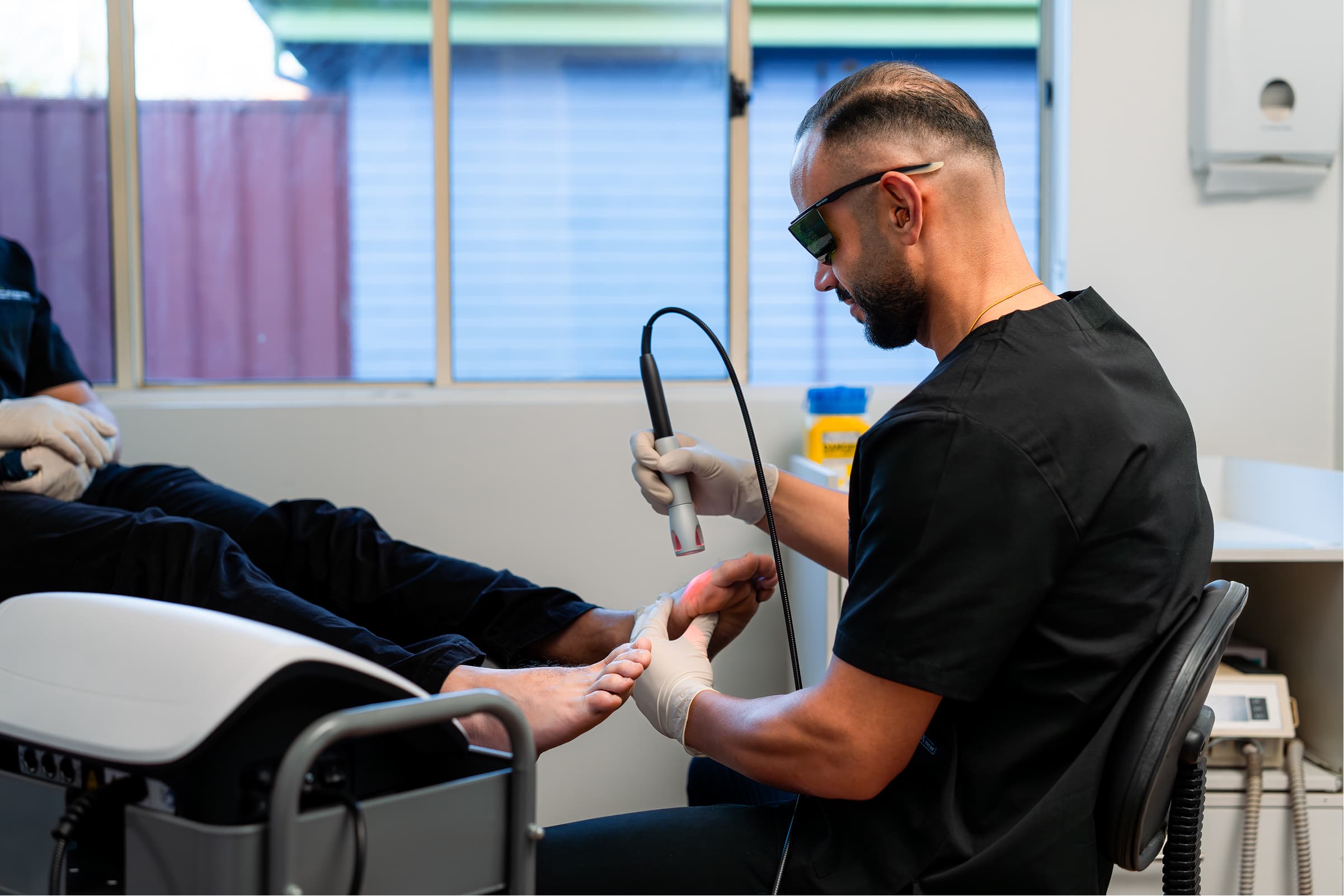
- Shockwave therapy (ESWT) - clinically supported for chronic plantar fascia and heel tissue conditions, typically 3-6 sessions
- Stretching & strengthening - targeted work for the calf, Achilles, and plantar fascia with guided instruction
- Footwear assessment - identifying whether footwear is contributing and advising alternatives
- Load management advice - adjusting activity to allow healing without full rest
- Dry needling or ultrasound-guided injection - where inflammation is significant and not settling
- Padding & taping - short-term off-loading to reduce strain during recovery
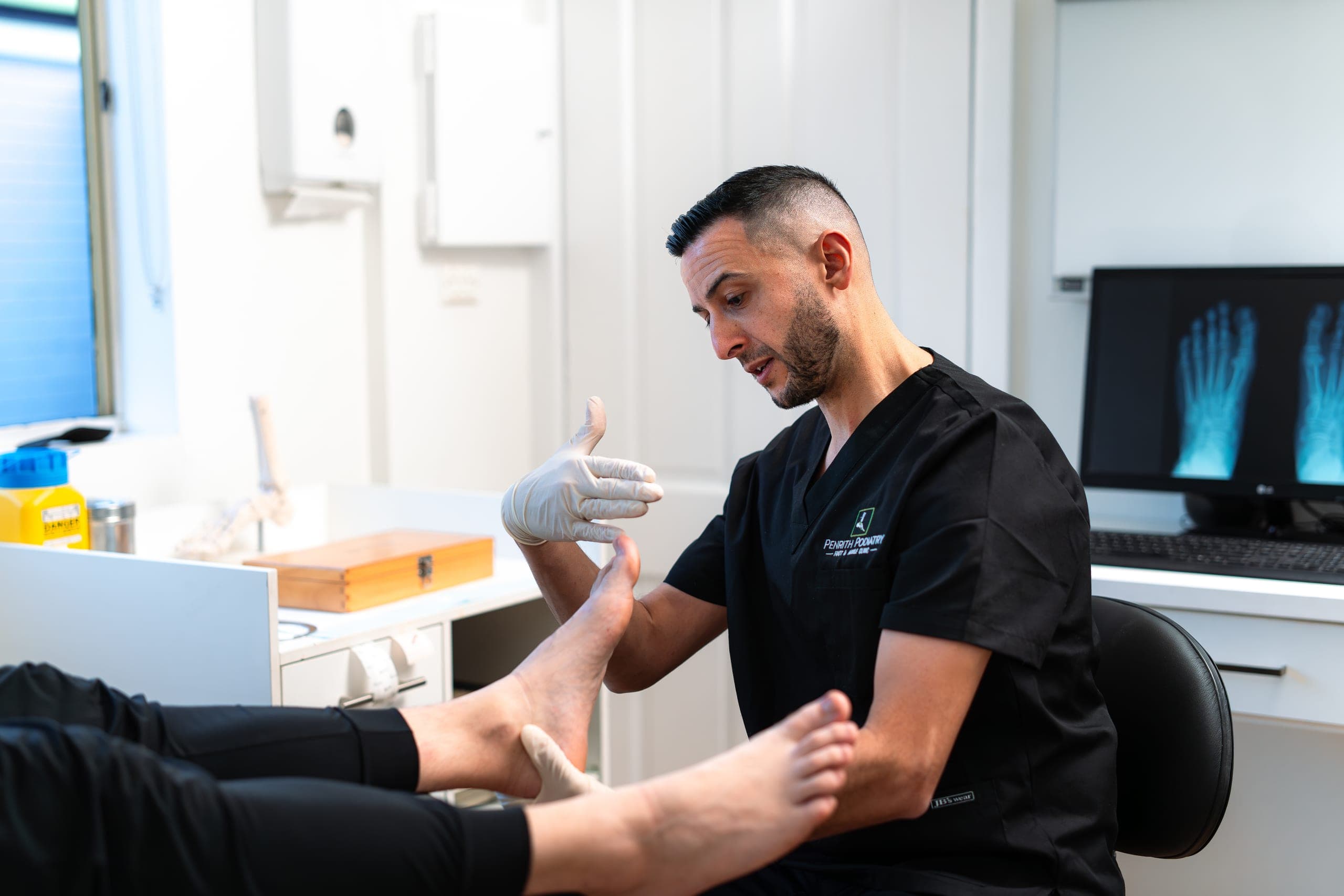
Recovery timelines: mild-to-moderate cases often resolve in 6-12 weeks with consistent treatment; chronic cases (symptoms 12+ months) may take longer.
When Symptoms Persist
A small proportion of cases don't resolve with conservative care. Further investigation or procedural options are considered only when symptoms persist 9-12 months or more despite structured care, imaging confirms a structural issue that can't be managed conservatively, or quality of life remains significantly affected. Options at this stage may include minimally invasive procedures, ultrasound-guided interventions, or surgical decompression, depending on the cause.
Heel Pain in Children and Teenagers
In young people, heel pain most commonly reflects Sever's disease - a temporary, painful irritation of the growth plate, typically in active children aged 8-14. It responds very well to load management, footwear changes, and orthotic support; most children return to sport fully.
Heel Pain FAQs
How long does heel pain take to go away?
Most cases improve significantly within 6-12 weeks of appropriate treatment. Chronic cases (12+ months) take longer. Early intervention generally means faster recovery.
Can I keep exercising with heel pain?
Usually some activity modification is needed, but complete rest is rarely the answer. Your podiatrist will advise what's safe during recovery.
Do I need an X-ray?
Not always. Many causes are soft-tissue and better seen on ultrasound. X-ray helps rule out stress fractures, spurs, or structural bony changes.
Will a heel spur cause my heel pain?
Often not. Many people with large spurs have no pain, and many with severe heel pain have no spur. The spur is usually a consequence of chronic tissue tension rather than the cause.
Serving Penrith & Western Sydney
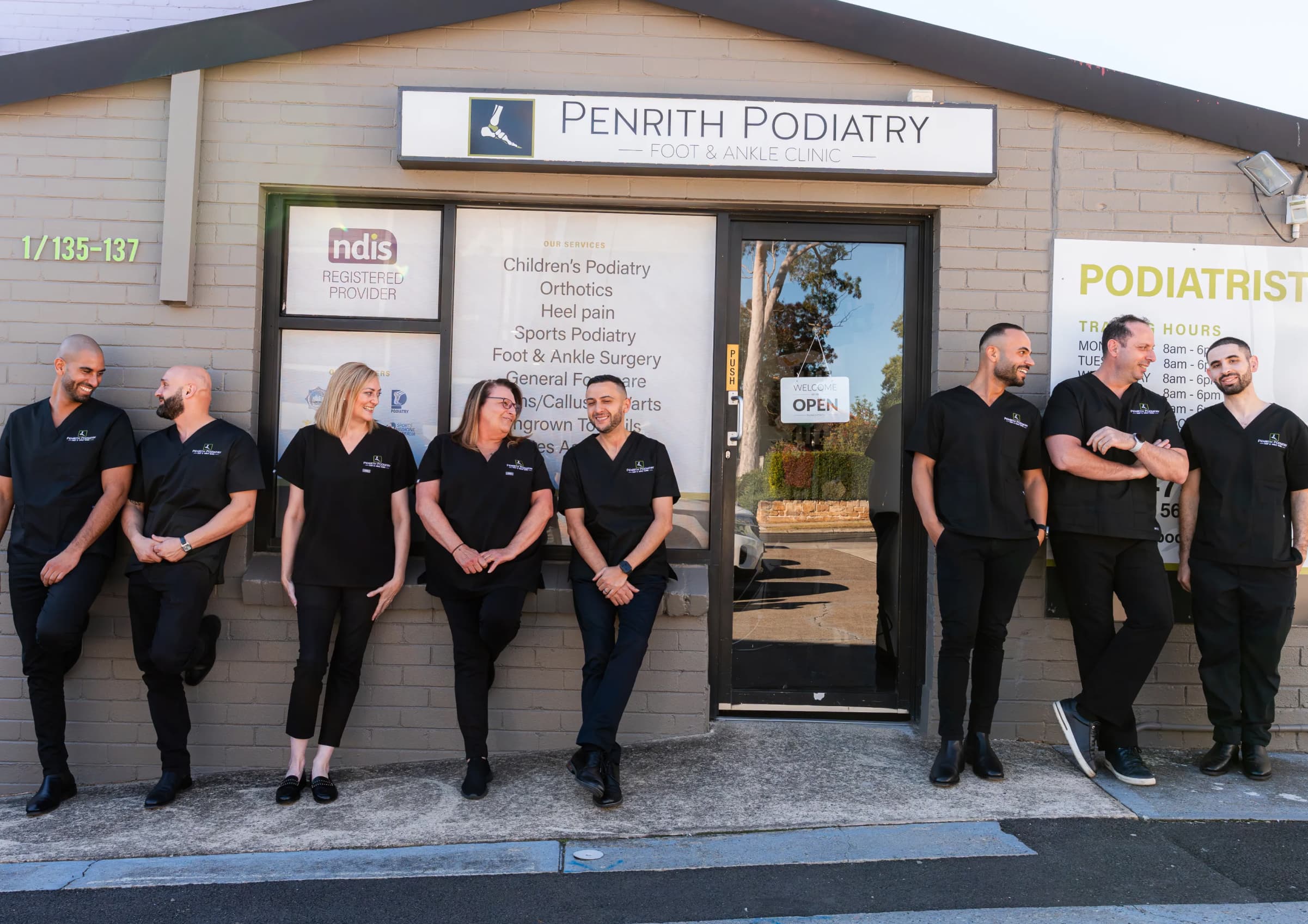
Penrith Podiatry Foot and Ankle Clinic is at 1/135-137 High Street, Penrith. We see patients from across Western Sydney - Kingswood, St Marys, Glenmore Park, Emu Plains, Werrington, and the Blue Mountains. If heel pain is affecting your morning routine, your work, or your ability to stay active, a proper assessment is the right first step.
Related conditions
Plantar Fasciitis
The most common cause of heel pain - inflammation of the tissue along the sole of the foot.
Learn moreStress Fractures
A small crack in a bone from repetitive load - often missed as 'soft-tissue' pain until imaged.
Learn moreNerve Pain / Tarsal Tunnel
Nerve entrapment at the inner ankle causing burning, tingling and numbness in the sole.
Learn moreRequest an appointment
Send a few details and our team will be in touch to arrange a time that suits you.
Visit the clinic
Penrith, NSW 2750