
Ankle Instability Treatment in Penrith
Does your ankle keep giving way on uneven ground or in sport? A 'weak ankle' is rarely just bad luck - it usually reflects a treatable problem that structured rehabilitation can resolve.
- In-clinic diagnostic ultrasound
- Balance & strength rehab
- Return-to-sport planning
- 60+Years Combined Experience
- 4.9Google Rating (185+)
- Specialist Podiatric Surgeon on team
- Endorsed for Scheduled Medicines
What Is Ankle Instability?
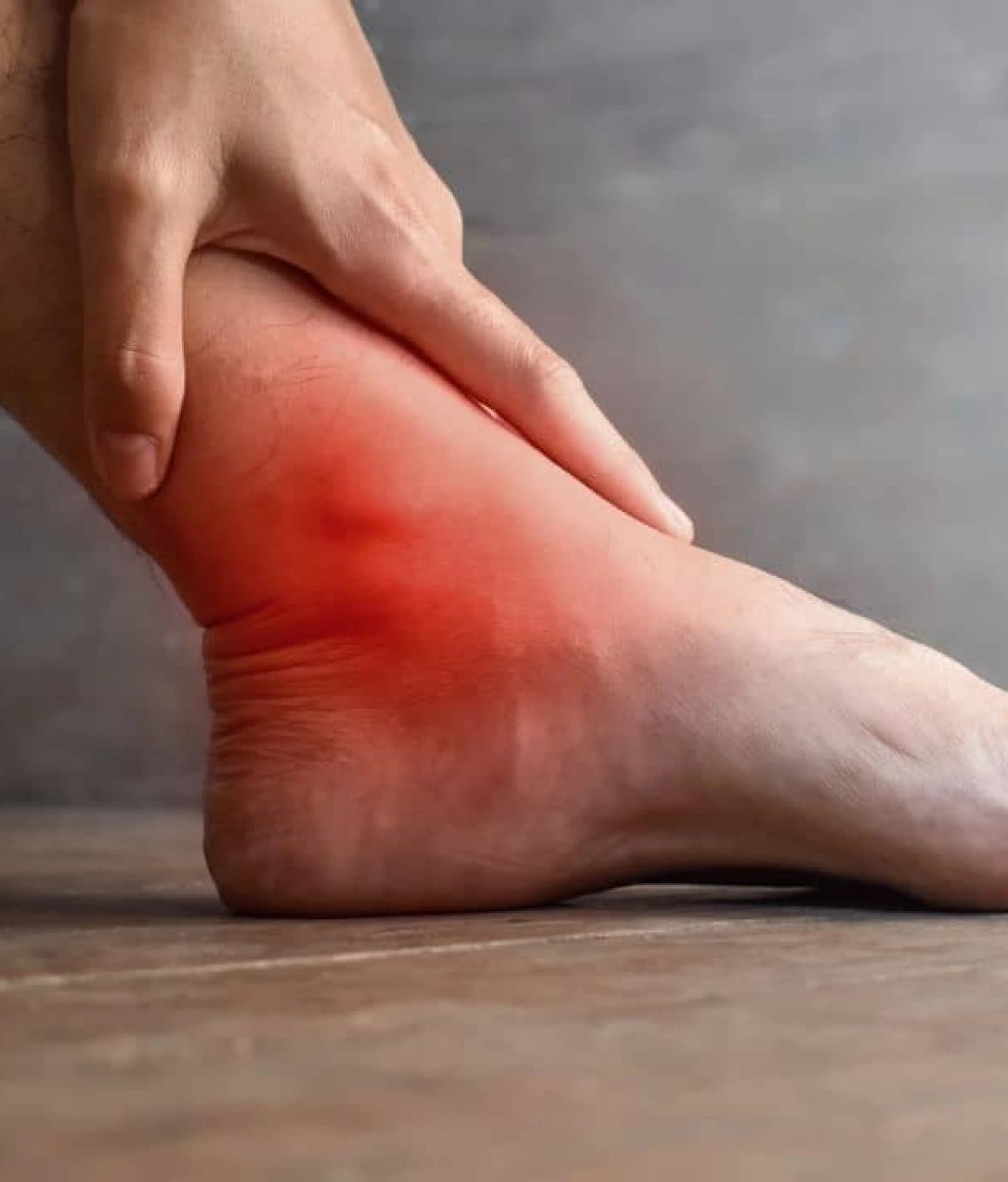
Ankle instability is a condition where the ankle repeatedly gives way - on uneven ground, during sport, or even with routine daily activity. It develops most commonly as a consequence of one or more ankle sprains that were never fully rehabilitated.
A single sprain is common and usually recovers well. But when the ligaments on the outer ankle are overstretched or torn and then don't regain their strength and proprioceptive (balance) function, the ankle stays mechanically vulnerable. Over time, repeated giving-way episodes cause further ligament damage, cartilage wear, and sometimes early joint degeneration.
It spans acute ankle sprain - a single ligament overstretch that responds well to early management (Conservative) - through to chronic ankle instability, recurrent giving way after one or more sprains, where most respond to rehabilitation but a proportion with significant laxity ultimately need surgical stabilisation.
What Causes It?
Ankle instability usually develops from a combination of incomplete recovery and ongoing vulnerability:
Incomplete recovery
Incomplete recovery from a sprain, including returning to activity too early
Skipped rehab
Inadequate rehabilitation of strength and balance (proprioception) after injury
Ligament laxity
Inherent ligamentous laxity (hypermobility)
Repeated sprains
Repeated sprain events causing cumulative ligament damage
High-risk sport
High-risk sport participation (basketball, soccer, netball, trail running)
High-arch foot
Structural factors such as a high-arch foot type that leaves the ankle more exposed
Symptoms of Ankle Instability

Giving way
The ankle giving way during walking, sport, or on uneven ground
Looseness
A persistent feeling of looseness or unreliability in the ankle
Recurrent sprains
Recurrent sprains, sometimes from minimal provocation
Pain & swelling
Pain, swelling, and bruising following each episode
Low confidence
Reduced confidence in the ankle, particularly on stairs or outdoor terrain
Stiffness & clicking
Stiffness or aching in the outer ankle, and clicking in longer-standing cases
Assessment
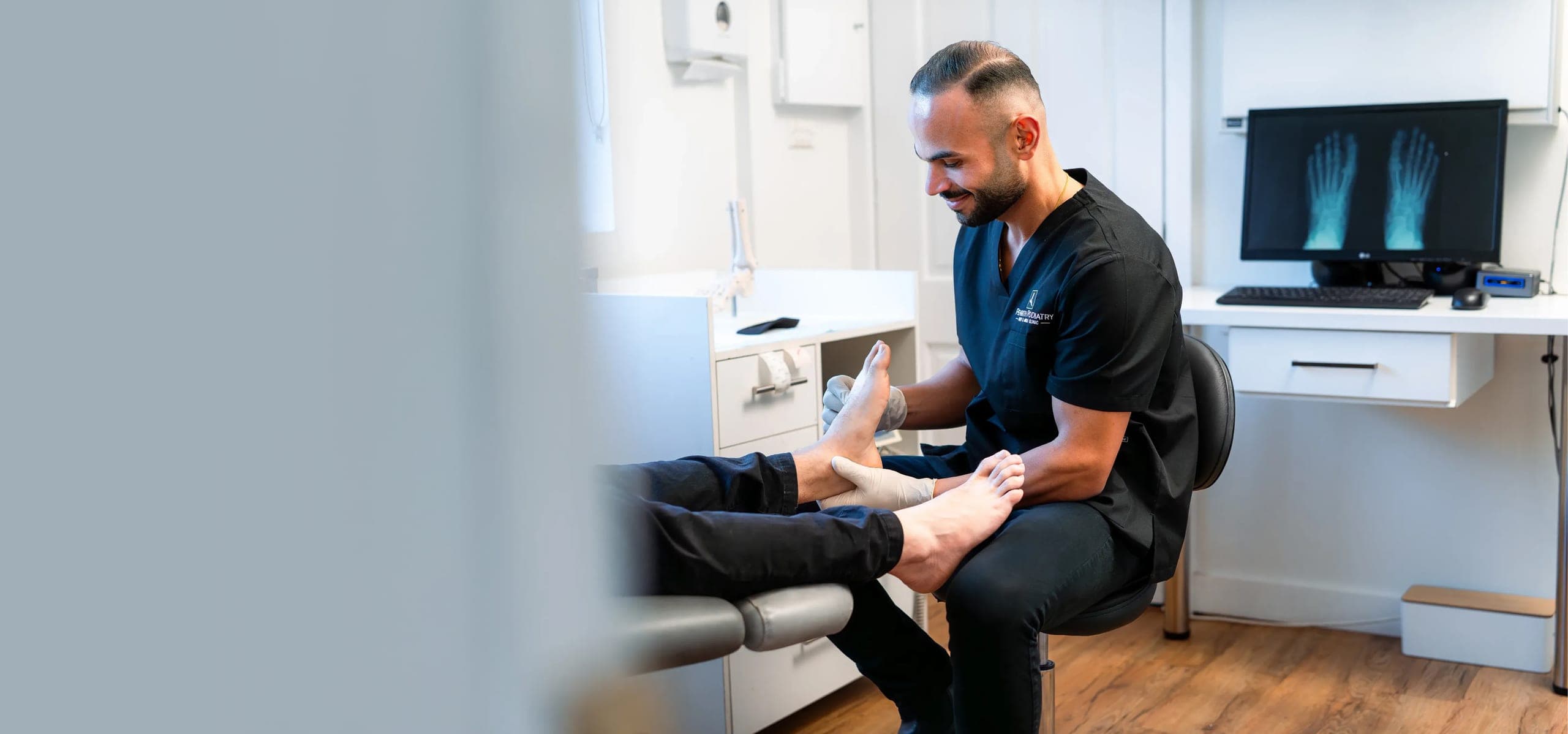
Identifying the extent of ligament damage and any associated pathology guides treatment. Assessment includes:
Injury history
of the original sprain and subsequent episodes
Ligament stress testing
anterior drawer and talar tilt tests
Balance & proprioception
single-leg balance and neuromuscular control
Peroneal strength
testing the muscles that support the outer ankle
In-clinic ultrasound
assessing ligament integrity, thickening, laxity or partial tears
MRI referral
if cartilage damage or an osteochondral lesion is suspected
Conservative Treatment
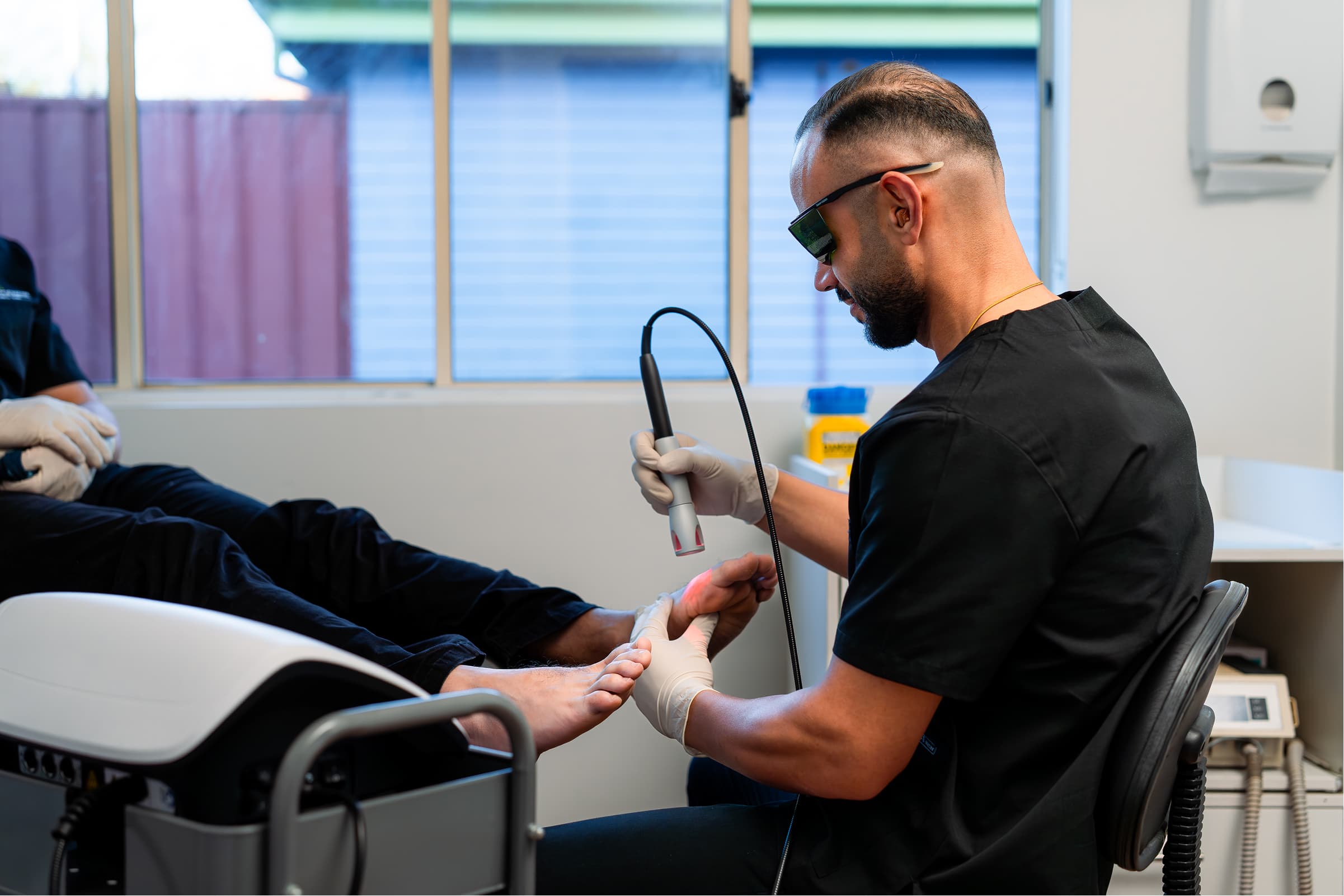
The majority of ankle instability - including many cases with demonstrable ligament laxity - responds well to structured rehabilitation. Treatment includes:
- Proprioceptive & balance rehab - progressive single-leg balance and stability work that retrains neuromuscular control - the single most important factor in preventing further giving way
- Peroneal & ankle strengthening - targeting the muscles that actively support the outer ankle
- Custom foot orthotics - particularly for a high-arch foot type that leaves the ankle more exposed
- External ankle support - bracing during sport or high-risk activity while rehab progresses
- Activity modification - a structured return to sport as strength and control improve
- Footwear advice - supportive footwear that reduces the risk of further rolling
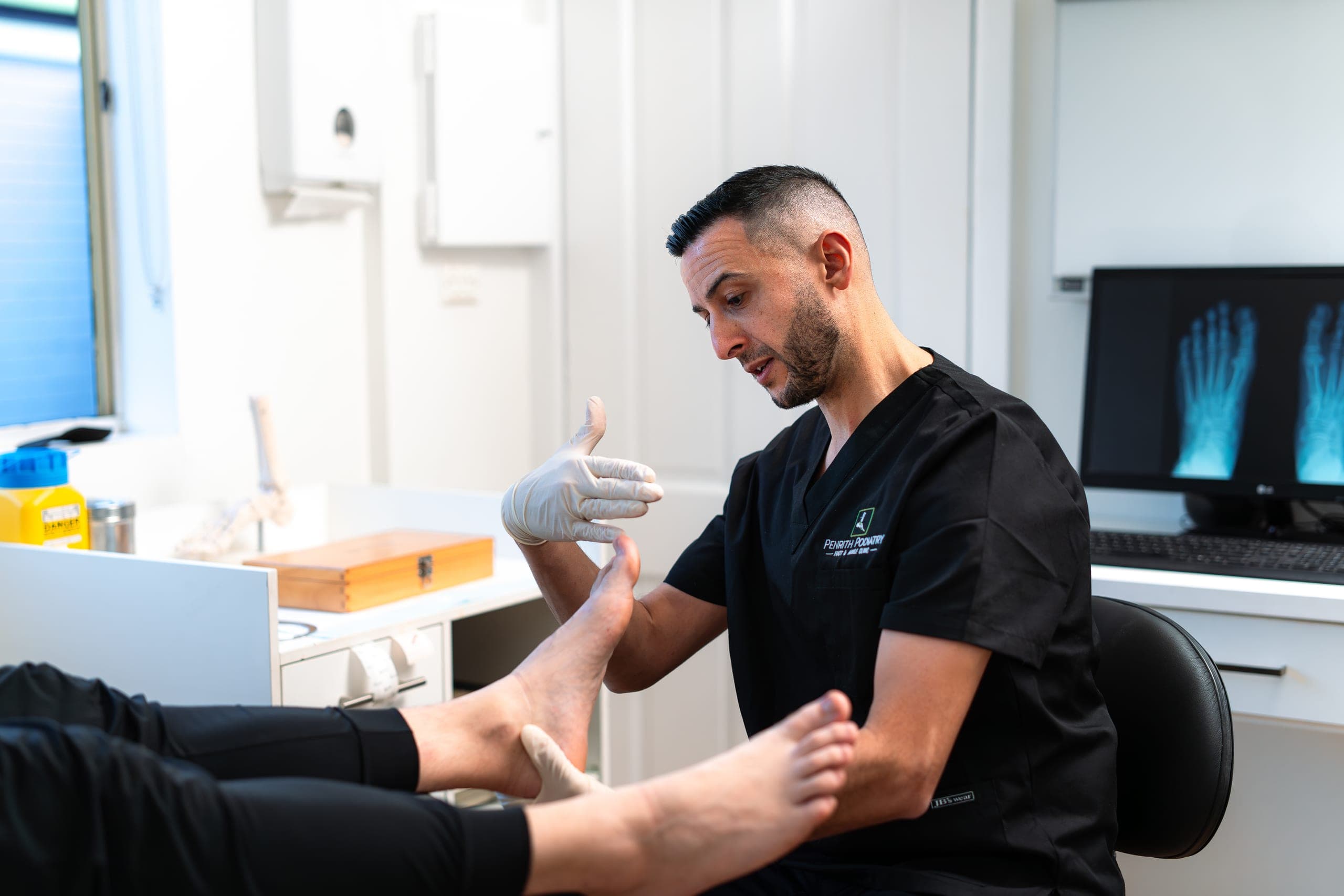
Most people with chronic instability who commit to a structured 8-16 week programme achieve significant improvement in stability, confidence and function.
When Surgery Is Considered
For a proportion of patients - those with confirmed significant ligament laxity, repeated failure of rehabilitation, or associated cartilage or bone pathology - surgical stabilisation may be indicated. The most common procedure is a ligament reconstruction (Brostrom repair or modification) that tightens and reinforces the outer ankle ligaments, with good outcomes in appropriately selected patients and most returning to sport within 4-6 months.
Ankle Instability FAQs
Can chronic ankle instability be fixed without surgery?
In most cases, yes. Structured rehabilitation targeting proprioception, strength and neuromuscular control resolves instability in the majority of patients. Surgery is reserved for those who don't respond to a proper programme or who have confirmed structural ligament damage.
How long does ankle instability rehab take?
Most patients see meaningful improvement within 8-12 weeks of consistent rehabilitation. Return to full sport or demanding activity typically takes 3-4 months depending on severity.
I rolled my ankle months ago and it still feels loose. Is that normal?
No. Persistent instability after a sprain suggests the ligaments and neuromuscular control system have not fully recovered, and it warrants assessment. Leaving it untreated increases the risk of further sprains and long-term joint damage.
Should I keep wearing an ankle brace?
A brace is useful support during sport or high-risk activity while rehab progresses, but it shouldn't replace rehabilitation. Long-term reliance on a brace without addressing the underlying weakness doesn't resolve the instability.

Serving Penrith & Western Sydney
Penrith Podiatry Foot and Ankle Clinic is at 1/135-137 High Street, Penrith, seeing patients from Kingswood, St Marys, Emu Plains, Glenmore Park, Werrington and the Blue Mountains. If your ankle keeps giving way, or you never fully recovered from a past sprain, an assessment will identify what's needed and get you on the right path.
Related conditions
Ankle Arthritis
Cartilage wear in the ankle joint - conservative care preserves function and slows progression.
Learn moreFlat Feet
Reduced or absent arches - often harmless, sometimes progressive. Assessment tells you which.
Learn moreAchilles Tendon Pain
Stiff, aching pain in the Achilles tendon - a loading problem that responds to structured rehab.
Learn moreRequest an appointment
Send a few details and our team will be in touch to arrange a time that suits you.
Visit the clinic
Penrith, NSW 2750