Flat Feet Treatment in Penrith
Worried about your child's flat feet, or arches that have been dropping and aching over time? Not all flat feet are a problem - a proper assessment clarifies whether treatment is needed and what form it should take.
- Paediatric & adult care
- In-clinic diagnostic ultrasound
- Custom orthotics
- 60+Years Combined Experience
- 4.9Google Rating (185+)
- Specialist Podiatric Surgeon on team
- Endorsed for Scheduled Medicines
What Are Flat Feet?
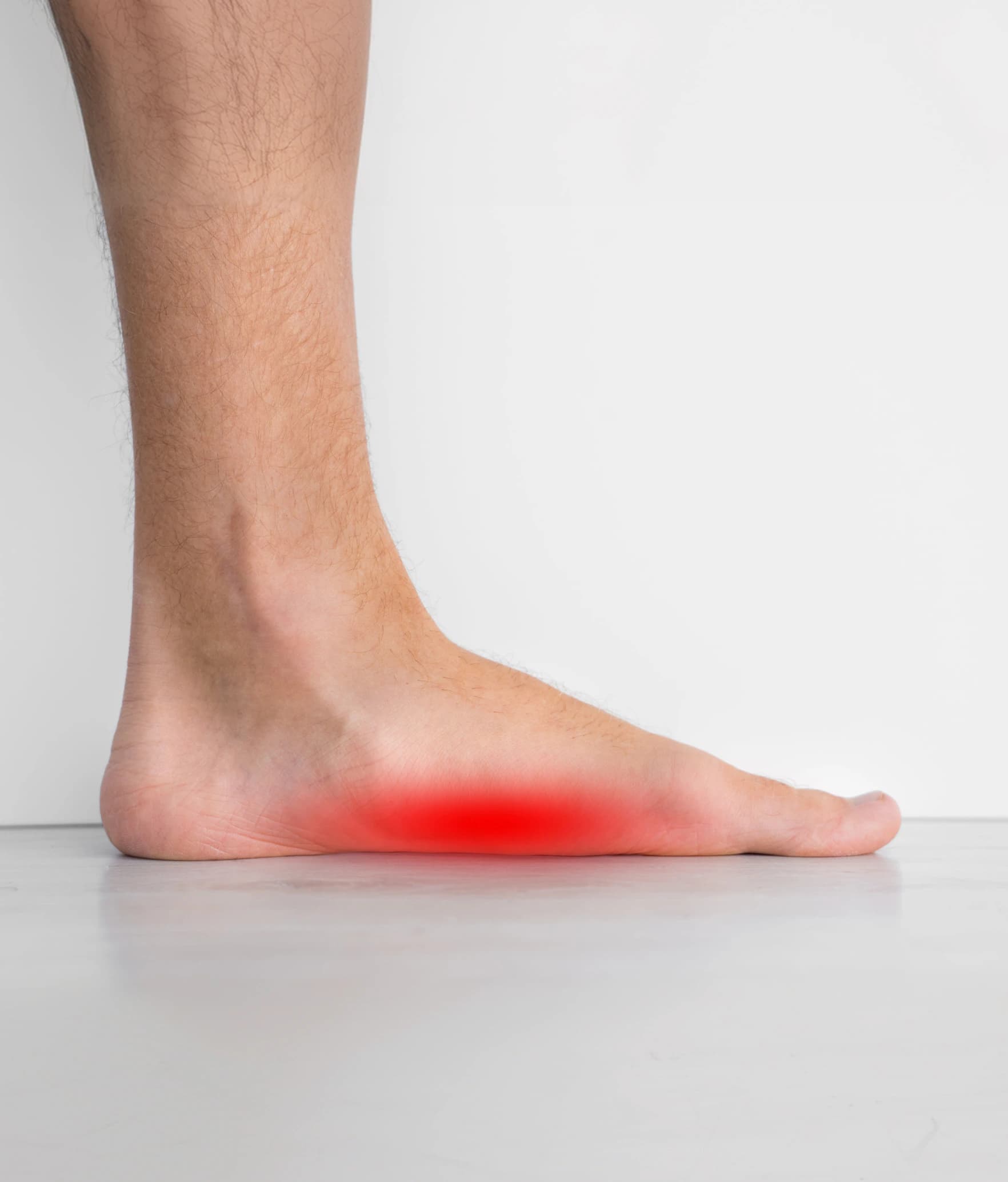
Flat feet (pes planus) is a foot posture where the arch on the inner side of the foot is reduced or absent when standing, so most of the sole contacts the ground rather than only the outer edge and heel.
Not all flat feet are a problem. Many people with flat feet have no pain and function entirely normally. The real question is never just whether the arch is flat, but whether it is causing symptoms, driving problems elsewhere, or progressing over time.
There are two distinct types. Paediatric flat feet are common, often normal for age, and usually resolve as the child grows. Adult acquired flat foot is different - a progressive loss of arch height that typically reflects deteriorating function of the posterior tibial tendon, and which can become significantly symptomatic.
Paediatric Flat Feet - Is It Normal?
Usually, yes. The arch develops through childhood and is not fully formed until around 6-10 years of age, so a toddler or young child with flat feet is not unusual and does not automatically need treatment. Signs that may warrant assessment include:
Activity pain
Pain in the feet, ankles or knees during or after activity
Sitting out
The child preferring to sit rather than run or play sport
Uneven arches
One foot that is significantly flatter than the other
Rigid flat foot
Flat feet that are rigid rather than flexible (no arch even on tiptoe)
Clumsy gait
Tripping, clumsiness or an unusual walking pattern
Adult Acquired Flat Foot
In adults, a flat foot that develops or worsens over time is most often related to progressive dysfunction of the posterior tibial tendon, which supports the medial arch during walking. Other contributors include increased load or obesity, inflammatory arthritis, ligament laxity, neurological conditions and post-traumatic changes. Symptoms to watch for:
Inner-ankle pain
Pain and swelling along the inner ankle and lower leg
Dropping arch
Progressive loss of arch height over months to years
Inward roll
The foot rolling inward when standing or walking
Hard to walk far
Difficulty walking on uneven ground or for long periods
Outer-ankle pain
In advanced stages, pain on the outer ankle as the foot collapses outward
Weak heel raise
Inability to perform a single-leg heel raise
Assessment at Penrith Podiatry
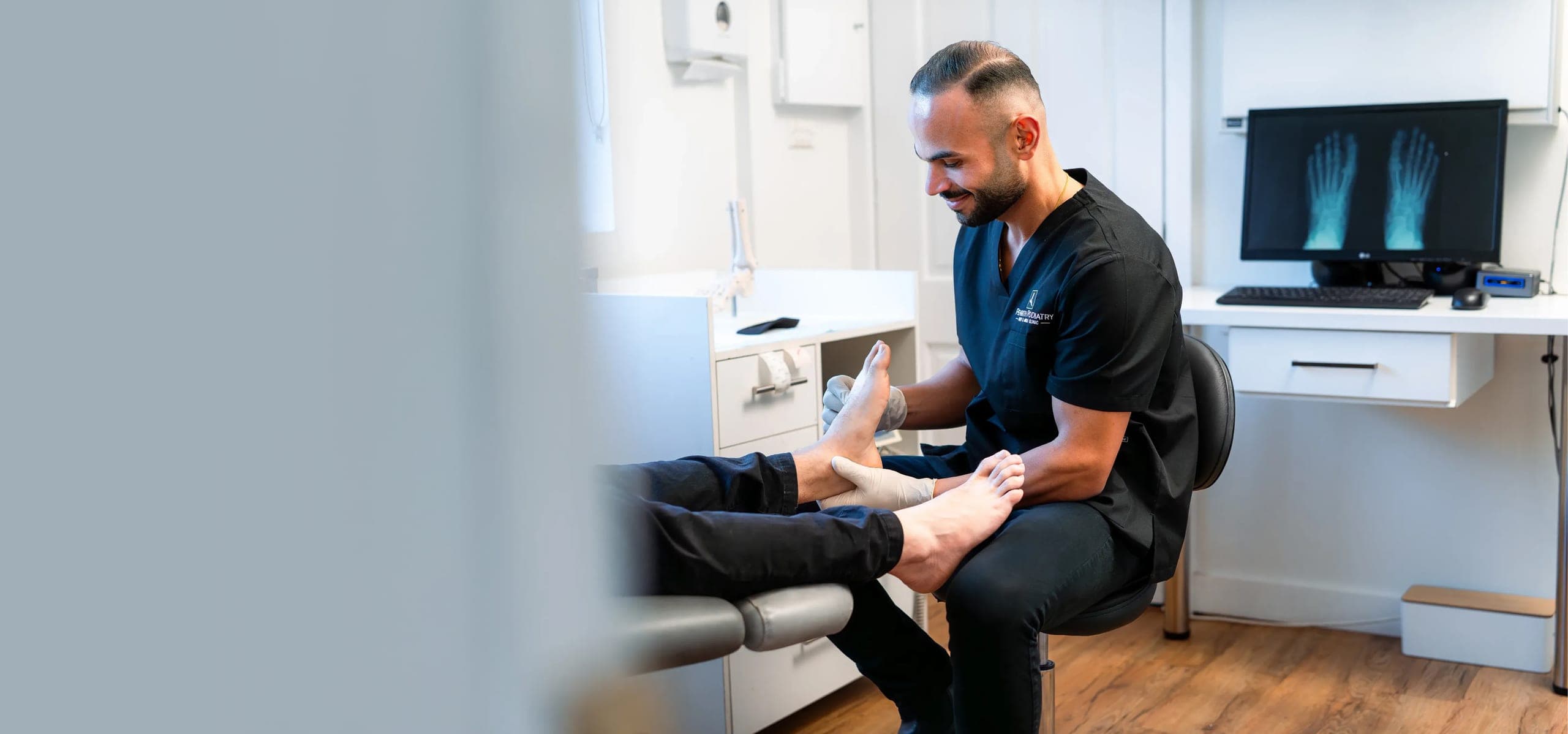
Assessment is tailored to age and presentation, and includes:
Posture & gait
observation of the foot in standing and during walking
Flexibility
distinguishing a flexible from a rigid flat foot
Tendon evaluation
of the posterior tibial tendon and surrounding structures
In-clinic ultrasound
for adults with tendon-related symptoms
Imaging referral
weight-bearing X-ray or MRI where structural assessment is needed
Age-appropriate review
a reassurance-led discussion for paediatric presentations
Paediatric Treatment
For children with symptomatic flat feet, conservative management is the standard approach and is generally effective. Surgery is extremely rare in children and reserved for rigid, structural conditions such as tarsal coalition.
- Custom foot orthotics - supporting the developing arch and addressing contributing factors
- Footwear guidance - appropriate school and sporting footwear for a flat foot type
- Exercise programme - strengthening the intrinsic foot muscles and calf complex
- Activity modification - adjusting intensity or surface where symptoms are provoked
- Monitoring - scheduled follow-up to track development over time
Adult Flat Foot - Conservative Treatment
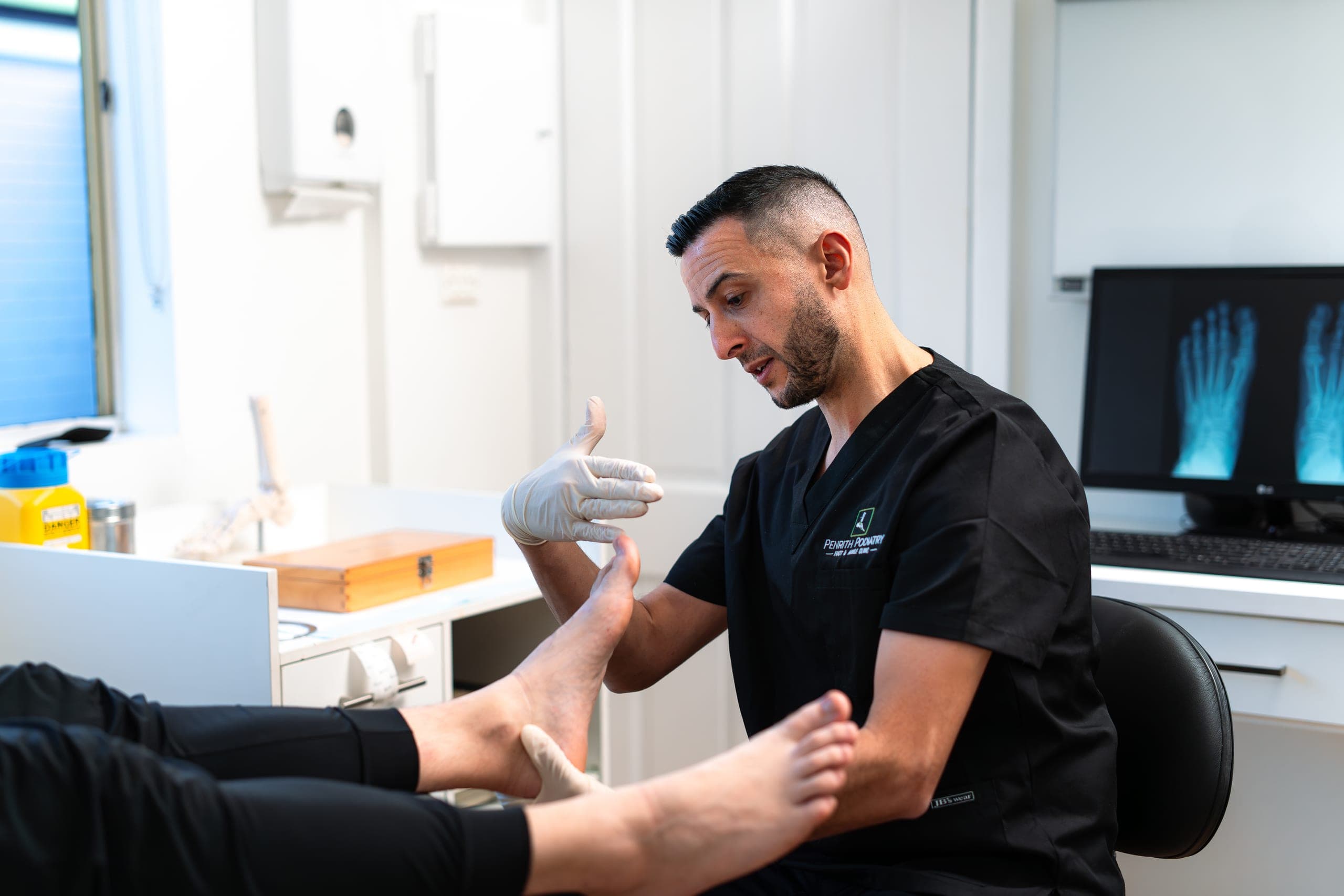
For adult acquired flat foot, conservative care is first-line and manages most cases effectively:
- Custom foot orthotics - supportive devices that address arch collapse and reduce load through the posterior tibial tendon
- Footwear assessment - firm, supportive footwear appropriate for a pronating foot type
- Strengthening programme - targeted posterior tibial tendon and calf strengthening
- Activity modification - managing load during symptomatic periods
- Ankle foot orthosis (AFO) - for advanced cases where a standard orthotic provides insufficient support
In advanced or progressive adult acquired flat foot, surgical reconstruction may be considered - typically tendon transfer, realignment osteotomies and ligament reconstruction, managed with an appropriate surgical specialist.
Flat Feet FAQs
Do children with flat feet need orthotics?
Not necessarily. Many children with flat feet need no treatment at all. Orthotics are recommended when there are symptoms (pain, fatigue, activity avoidance) or when gait assessment suggests a pattern likely to cause problems over time.
Will flat feet cause knee or back pain?
They can. Excessive pronation can affect alignment up through the ankle, knee, hip and lower back. If flat feet are suspected to be contributing to pain in these areas, a full biomechanical assessment is worthwhile.
Can flat feet be fixed without surgery?
For paediatric flat feet and most adult cases, conservative treatment manages the condition effectively without surgery. Severe adult acquired flat foot with posterior tibial tendon failure may reach a point where surgery is the most appropriate option.
At what age should I bring my child for a flat foot assessment?
If your child is over 5 and you are noticing symptoms, pain, or a flat foot that appears rigid (no visible arch on tiptoe), a podiatry assessment is appropriate. There is no strict age threshold.
Serving Penrith & Western Sydney
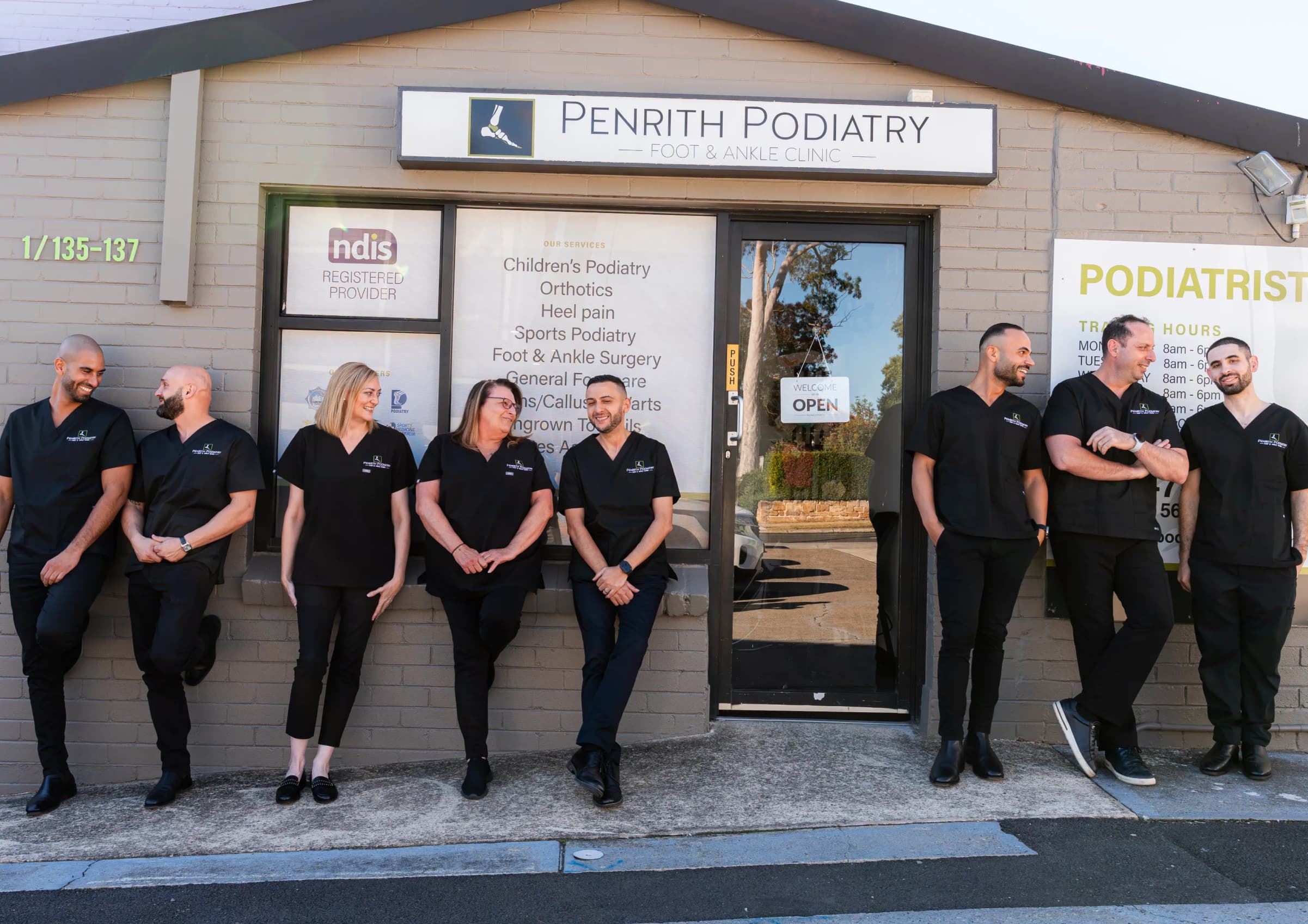
Penrith Podiatry Foot and Ankle Clinic is at 1/135-137 High Street, Penrith, seeing patients of all ages from Kingswood, St Marys, Emu Plains, Glenmore Park and the Nepean region. If you are concerned about your child's feet, or your own arches have been aching or changing, a proper assessment will clarify whether treatment is needed.
Related conditions
PTTD
Progressive failure of the tendon that supports the arch - early diagnosis avoids reconstruction.
Learn moreBunions
A progressive big-toe-joint deformity - managed conservatively, corrected with surgery when needed.
Learn moreAnkle Instability
An ankle that keeps giving way after a sprain - rehab resolves most cases, surgery stabilises the rest.
Learn moreRequest an appointment
Send a few details and our team will be in touch to arrange a time that suits you.
Visit the clinic
Penrith, NSW 2750