High Arch Feet Treatment in Penrith
A high, rigid arch concentrates your weight on the heel and ball of the foot and can leave the ankle unstable. We assess why the arch is high and support the foot to reduce load and improve stability.
- Cause assessed
- Cushioning & stability
- Custom orthoses
- 60+Years Combined Experience
- 4.9Google Rating (185+)
- Specialist Podiatric Surgeon on team
- Endorsed for Scheduled Medicines
What Are High Arch Feet?
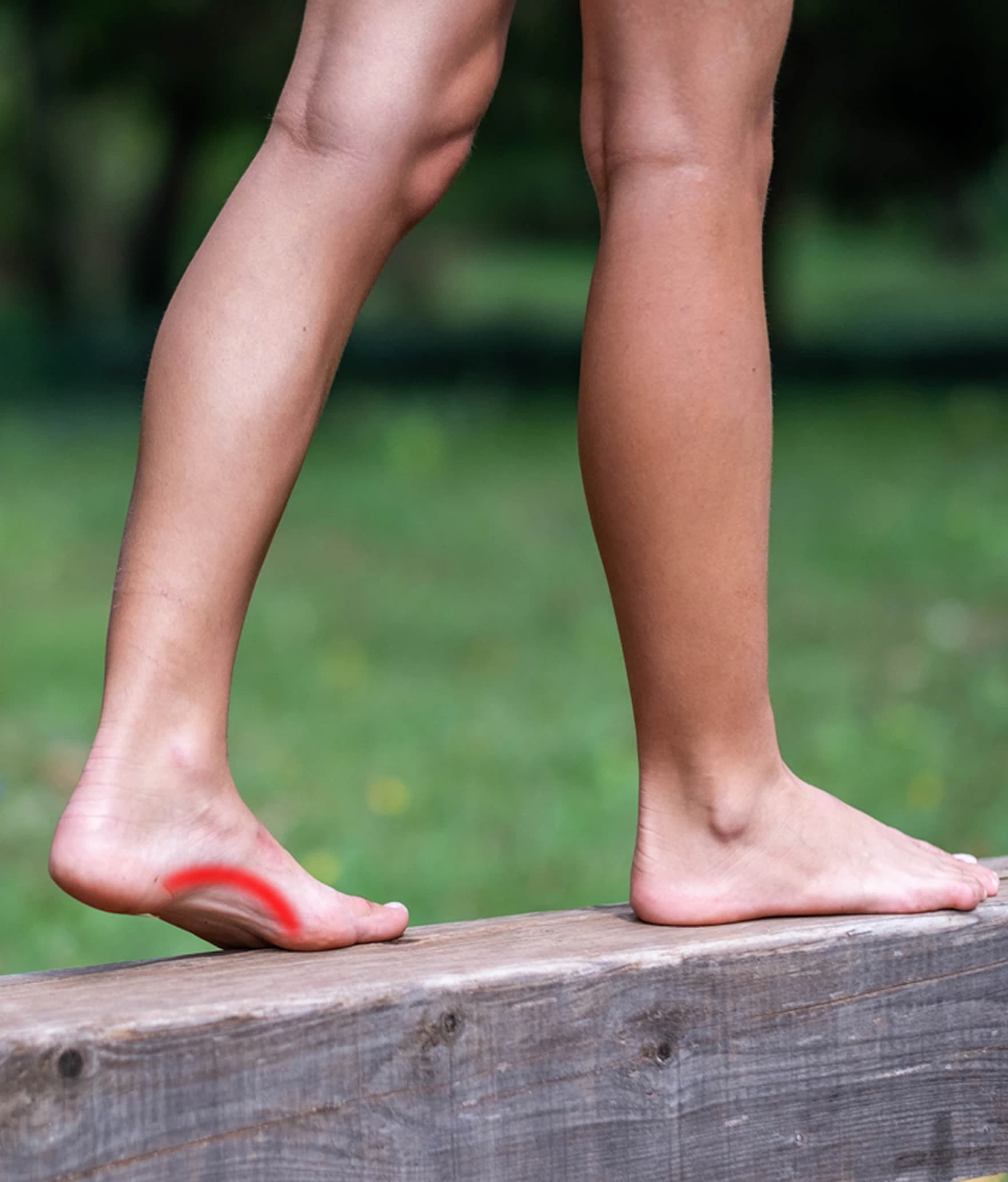
High arch feet, or pes cavus, describes a foot with an unusually high arch that doesn't flatten much when you stand. Because the arch stays raised, your body weight is concentrated on two areas - the heel and the ball of the foot - rather than being spread across the sole. This overload is what tends to cause symptoms.
A high arch can also make the foot more rigid and the ankle more prone to rolling, so as well as pain it can bring a sense of instability. Some people have naturally high arches with no trouble; others develop pain, calluses or recurrent sprains that benefit from treatment.
What Causes a High Arch?
A high arch can be structural or, less commonly, linked to a neurological cause - which is worth identifying. Contributors include:
Inherited foot structure
a naturally high, often rigid arch that runs in families
Neurological conditions
occasionally an underlying nerve-related cause, especially if the arch is worsening
Muscle imbalance
an imbalance in the muscles controlling the foot
Uneven weight distribution
load concentrated on the heel and forefoot
Symptoms to Look Out For
Ball-of-foot & heel pain
pain under the areas taking most of the load.
Ankle instability
a tendency to roll the ankle or feel unsteady.
Calluses
hard skin under the ball of the foot and heel from concentrated pressure.
Clawed toes
toes that curl, sometimes with corns on top.
Foot fatigue
feet that tire quickly because the arch absorbs less shock.
How We Assess It
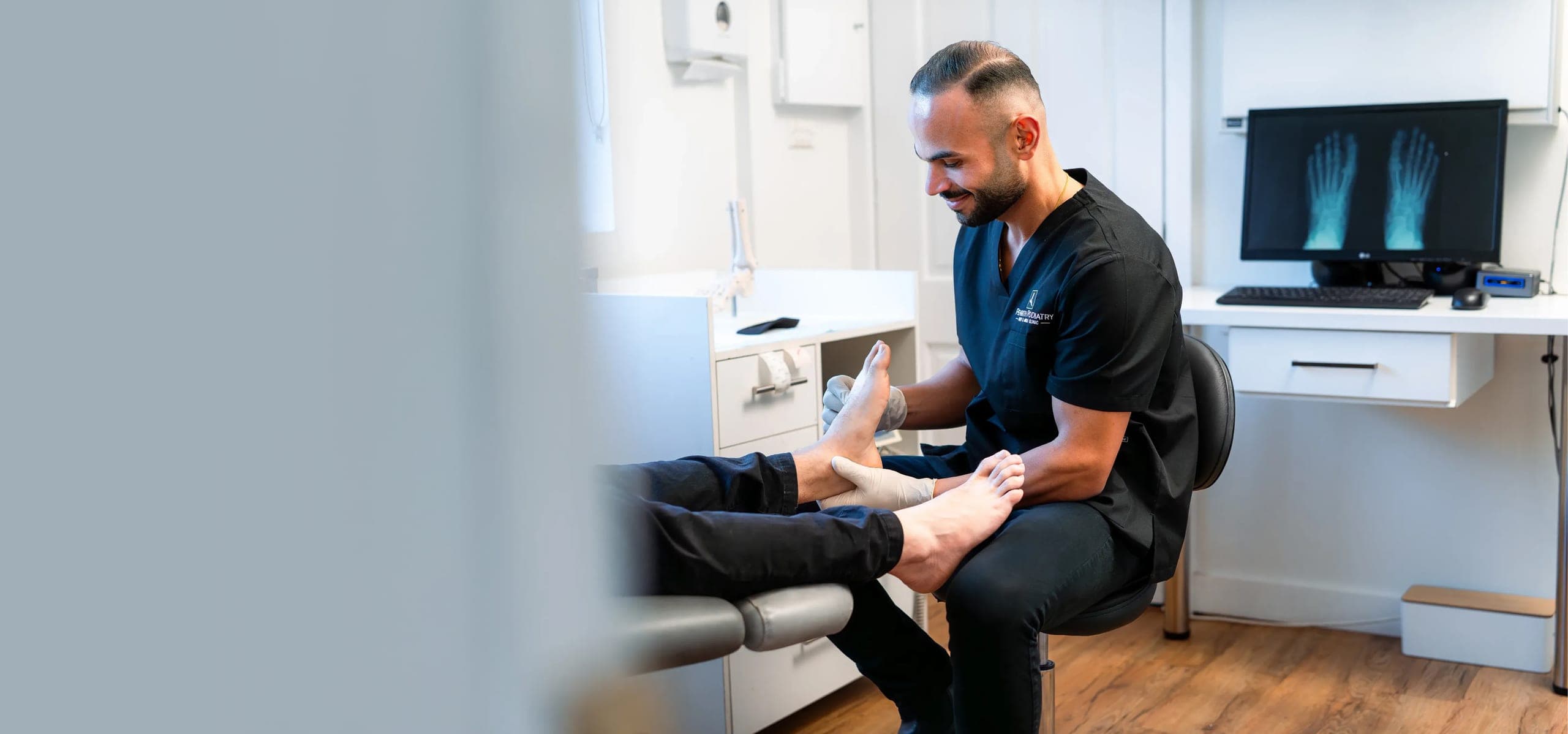
Assessment confirms the impact of the high arch and checks for any underlying cause. It includes:
Foot posture & pressure
assessing arch height, rigidity and where load concentrates.
Gait analysis
observing how you walk and load the foot and ankle.
Ankle stability
checking for the instability high arches often bring.
Neurological screen
a check for any nerve-related cause, particularly if the arch is changing.
Conservative Treatment Options
Most high-arch symptoms are managed well by cushioning the foot, spreading load and improving stability. Treatment may include:
- Custom orthotics - designed to cushion and redistribute pressure away from the heel and ball of the foot
- Supportive, cushioned footwear - shoes that absorb shock and add stability
- Ankle strengthening - targeted work to reduce instability and the risk of sprains
- Callus & toe care - managing hard skin and clawed-toe pressure points
- Bracing - additional support where instability is significant
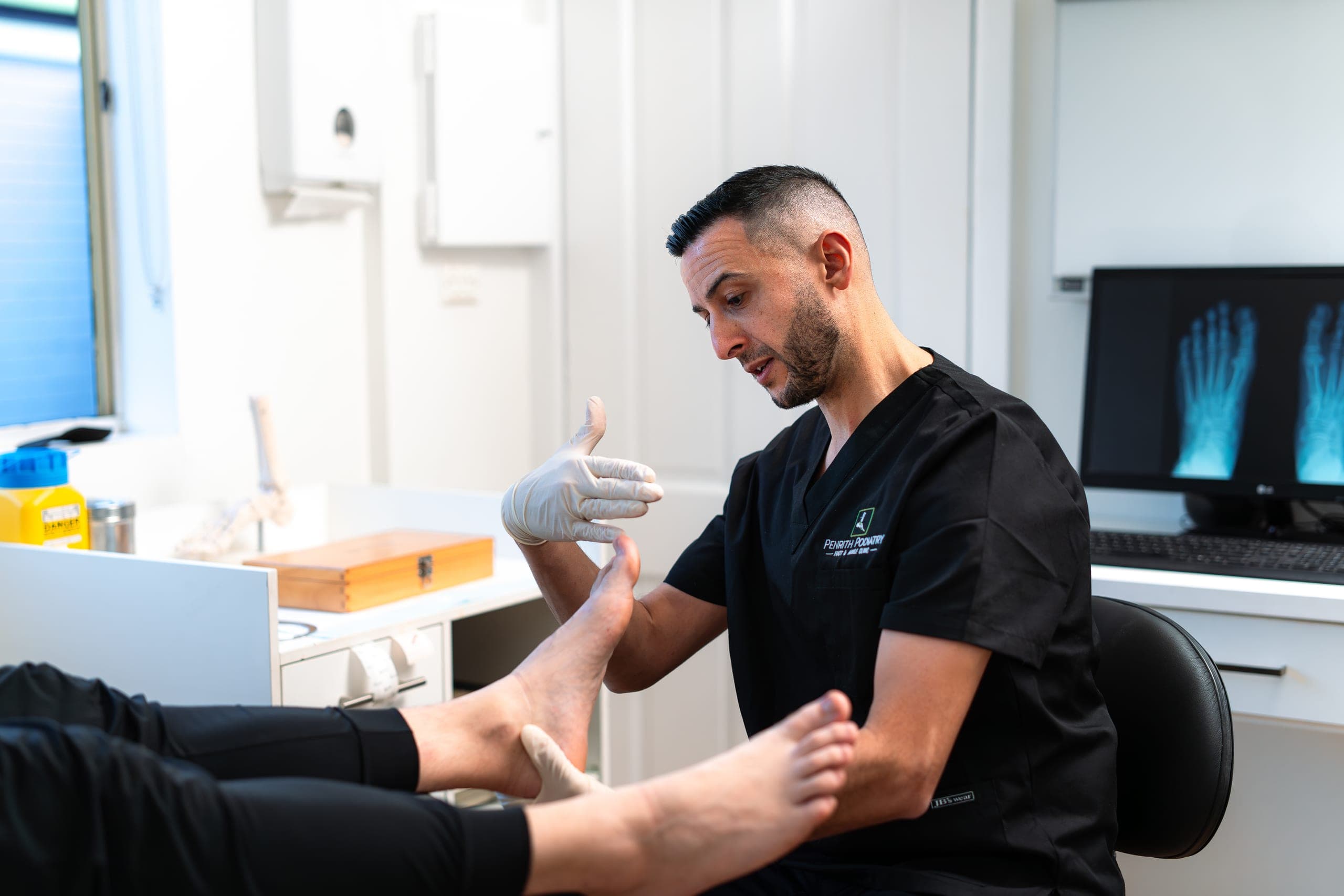
Because a high arch is a structural shape, treatment focuses on managing load and symptoms well rather than flattening the arch - and for most people that's very effective.
When Symptoms Are Severe
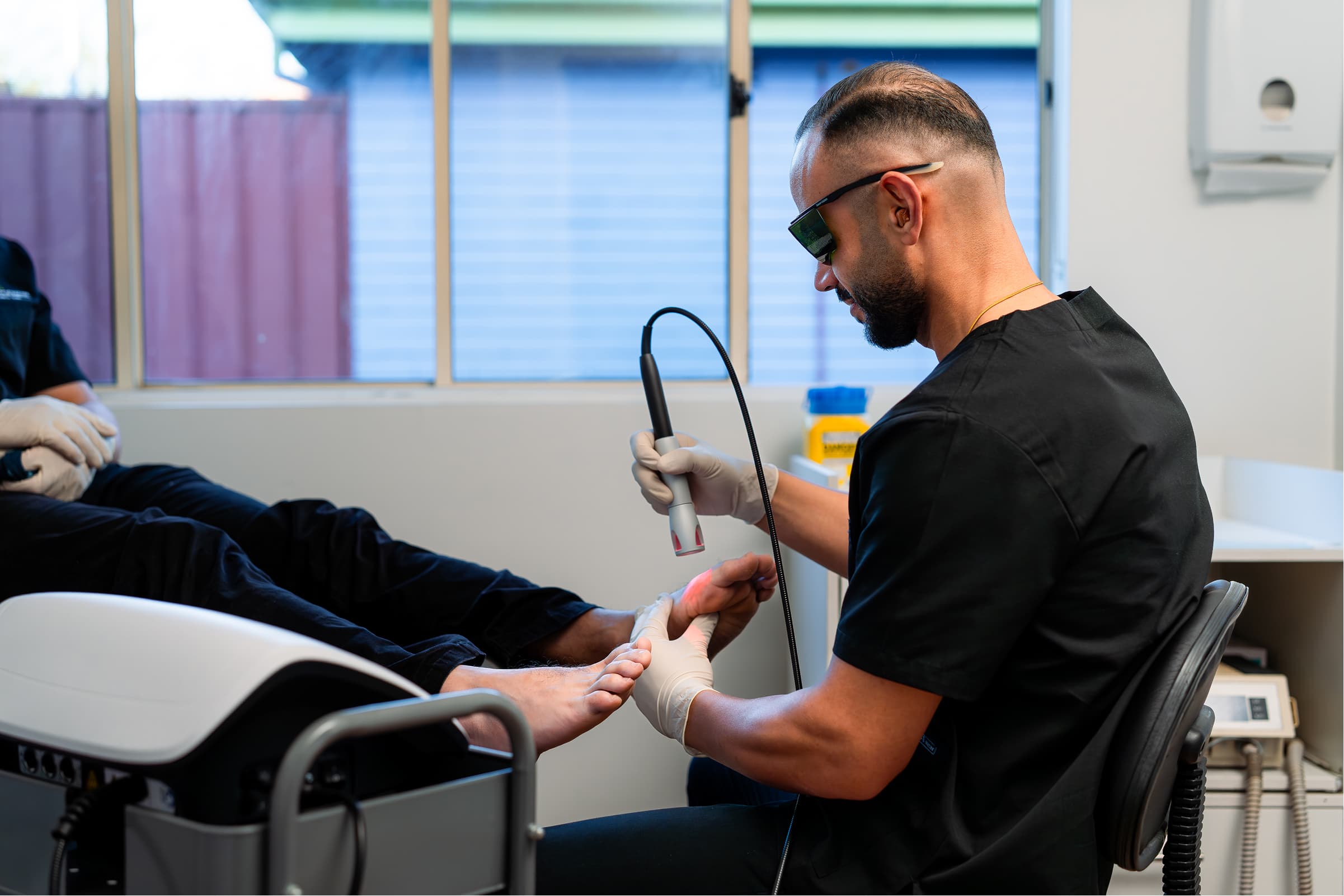
A minority of high-arch feet - particularly rigid, progressive or neurologically driven cases - cause significant pain or instability that conservative care can't control. Where an underlying neurological cause is suspected we coordinate the right investigations, and for severe structural cases we have a Registered Specialist Podiatric Surgeon on the team to advise on whether surgical options are appropriate.
High Arch Feet FAQs
Are high arches a problem?
Not always - many people have high arches with no trouble. They become a problem when they concentrate load and cause pain, calluses, clawed toes or ankle instability. If you have those symptoms, they're very manageable.
Can high arches be corrected?
A high arch is a structural shape, so treatment focuses on supporting and cushioning the foot and improving stability rather than flattening it. For most people that controls symptoms well. Severe or progressive cases occasionally need surgical assessment.
Why does my ankle keep rolling?
High-arched feet are often more rigid and sit in a position that makes the ankle more prone to rolling outward. Orthoses, footwear and ankle-strengthening work reduce that instability and the risk of repeated sprains.
Should I be worried about a nerve cause?
Most high arches are simply an inherited foot shape. But if a high arch is new, worsening, or on one side only, we screen for an underlying neurological cause and arrange further assessment if needed.
Serving Penrith & Western Sydney
If a high arch is causing pain, calluses or a wobbly ankle, book an assessment and we'll support the foot and improve stability. We see patients from across Penrith, Kingswood, St Marys, Glenmore Park and the Blue Mountains.
Related conditions
Forefoot Pain
Pain in the ball of the foot - a symptom pattern with several causes, almost always treatable conservatively.
Learn moreAnkle Instability
An ankle that keeps giving way after a sprain - rehab resolves most cases, surgery stabilises the rest.
Learn moreFlat Feet
Reduced or absent arches - often harmless, sometimes progressive. Assessment tells you which.
Learn moreRequest an appointment
Send a few details and our team will be in touch to arrange a time that suits you.
Visit the clinic
Penrith, NSW 2750