
Shin Splints Treatment in Penrith
That deep, aching pain along the inside of your shin during or after running is one of the most common overuse injuries we see - and it responds well when the underlying load and mechanics are addressed.
- Rule out stress fracture
- Gait & load analysis
- Return-to-running plan
- 60+Years Combined Experience
- 4.9Google Rating (185+)
- Specialist Podiatric Surgeon on team
- Endorsed for Scheduled Medicines
What Are Shin Splints?
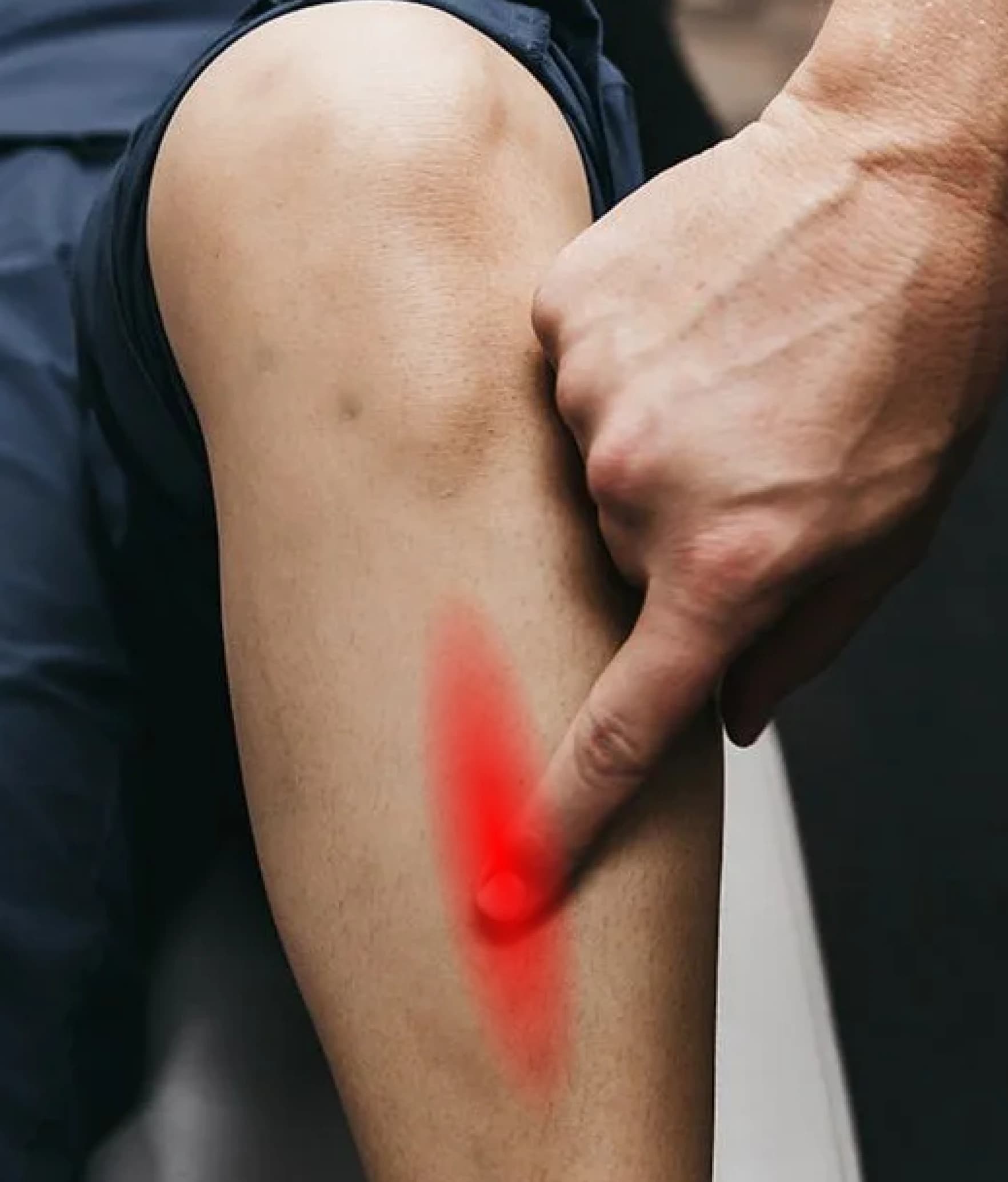
'Shin splints' is the everyday name for medial tibial stress syndrome - pain along the inner edge of the shin bone (tibia) where muscle and connective tissue attach. It develops when the tissue is loaded more than it's prepared for, usually from running or repetitive impact, and the bone and soft tissue become irritated.
It's especially common in runners, athletes in running-based sports, and anyone who has recently increased their training, changed surface, or started new footwear. Left unmanaged, it can linger for months and occasionally progress to a bone stress injury.
What Causes Shin Splints?
Shin splints are almost always a load problem, made worse by mechanics. Common contributors include:
Training spikes
increasing distance, speed or frequency too quickly
Foot mechanics
flat feet or overpronation increasing pull on the shin
Worn or unsuitable footwear
shoes that no longer support or suit your foot type
Hard or changed surfaces
a switch to harder ground or a lot of hill work
Calf & hip weakness
reduced strength that leaves the shin absorbing more load
Symptoms to Look Out For

Inner-shin pain
aching or tenderness along the inside of the lower shin.
Worse with activity
pain that comes on during or after running and impact.
Tender to press
a diffuse sore area along the bone, not a single pinpoint spot.
Early-run ache
discomfort at the start of a run that may ease then return.
How Are Shin Splints Diagnosed?
The most important job is confirming it's shin splints and not a tibial stress fracture, which needs different management. Assessment includes:
Training history
recent changes in load, surface and footwear.
Palpation
a diffuse sore area suggests shin splints; a sharp pinpoint spot raises concern for a stress fracture.
Gait & biomechanics
assessing how your foot loads and what's driving the strain.
Imaging if needed
referral for X-ray or MRI when a bone stress injury is suspected.
Conservative Treatment Options
Shin splints respond well to a structured plan that settles the irritation and rebuilds capacity so it doesn't return. Treatment may include:
- Load management - adjusting running volume and intensity rather than stopping completely
- Custom orthotics - where foot mechanics are increasing the pull on the shin
- Footwear review - matching your shoes to your foot type and mileage
- Calf & hip strengthening - building capacity so the shin absorbs less load
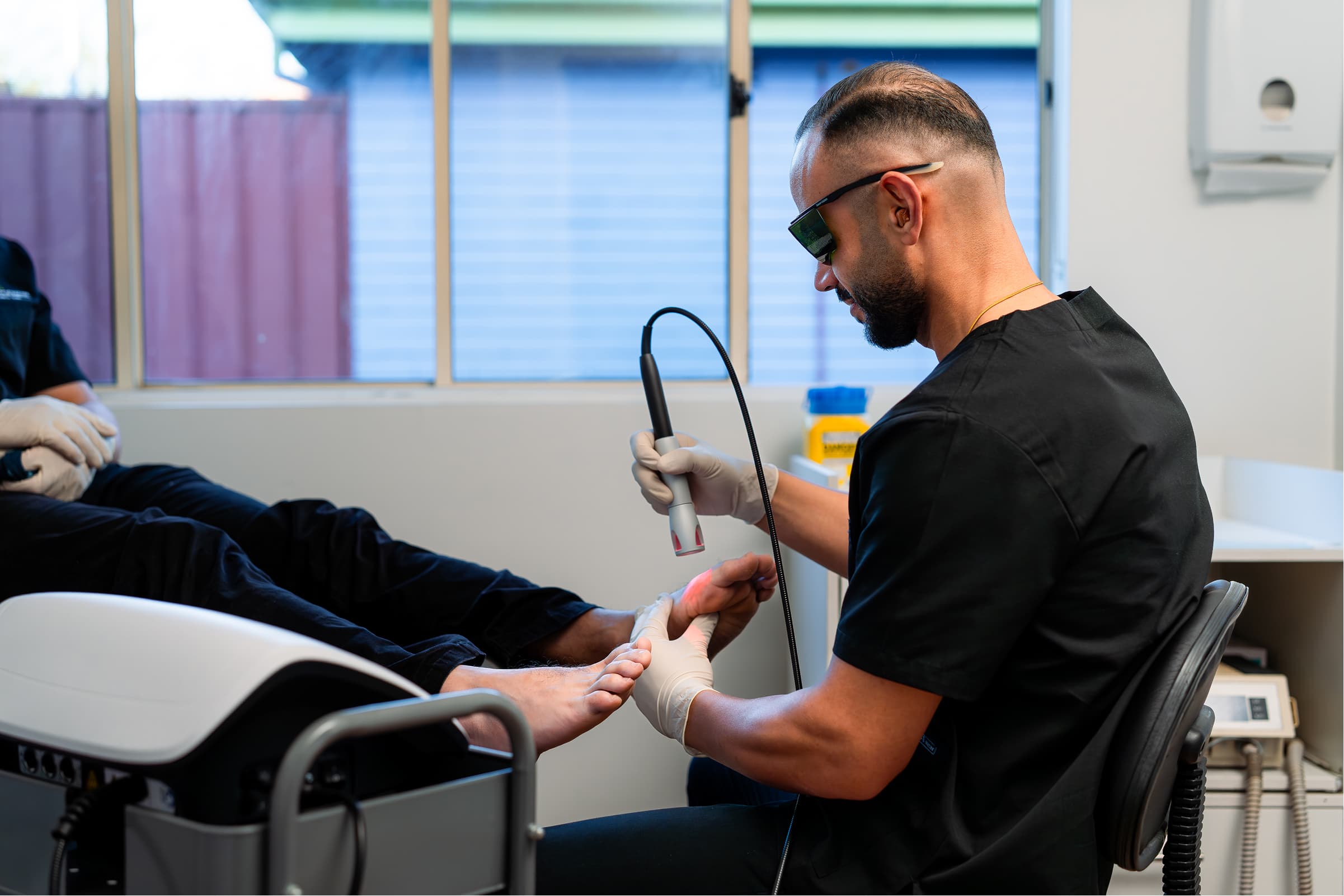
- Shockwave therapy - for stubborn cases that haven't settled with first-line care
- Graded return to running - a staged plan back to full training
Most cases settle within a few weeks to a couple of months with a consistent plan; rushing back too soon is the most common reason they recur.
When Symptoms Persist
If shin pain isn't improving, becomes sharply localised, or worsens with impact, further imaging is important to rule out a tibial stress fracture. We arrange the right investigations and adjust the plan accordingly, so a manageable overuse injury doesn't turn into a more serious bone problem.
Shin Splints FAQs
Can I keep running with shin splints?
Usually you don't need to stop completely, but you'll need to modify - reducing volume, intensity or surface load while the tissue settles. Pushing through unchanged is the main reason shin splints drag on. Your podiatrist will guide what's safe.
How do I know it's not a stress fracture?
Shin splints cause a diffuse ache along the bone, while a stress fracture tends to be a sharp, pinpoint pain that's worse with impact. Because they overlap, we assess carefully and arrange imaging if there's any doubt.
Will orthotics help?
If your foot mechanics - such as overpronation - are increasing the load on your shin, prescribed orthotics can reduce that strain and help both recovery and prevention. They're used as part of a broader plan.
How long until I can train normally again?
Many people return over a few weeks to a couple of months with a graded plan. The timeframe depends on how long it's been present and how quickly the contributing factors are addressed.

Serving Penrith & Western Sydney
If shin pain keeps interrupting your running, an assessment will confirm the cause, rule out a stress fracture, and get you on a plan back to training. We see active patients from across Penrith, Kingswood, St Marys, Glenmore Park and the Blue Mountains.
Related conditions
Stress Fractures
A small crack in a bone from repetitive load - often missed as 'soft-tissue' pain until imaged.
Learn moreFlat Feet
Reduced or absent arches - often harmless, sometimes progressive. Assessment tells you which.
Learn moreAchilles Tendon Pain
Stiff, aching pain in the Achilles tendon - a loading problem that responds to structured rehab.
Learn moreRequest an appointment
Send a few details and our team will be in touch to arrange a time that suits you.
Visit the clinic
Penrith, NSW 2750