Corns & Calluses Treatment in Penrith
Corns and hard, thickened skin are your feet's response to pressure. We remove them painlessly - and, just as importantly, address the pressure causing them so they don't simply return.
- Painless removal
- Root-cause offloading
- Safe for diabetic feet
- 60+Years Combined Experience
- 4.9Google Rating (185+)
- Specialist Podiatric Surgeon on team
- Endorsed for Scheduled Medicines
What Are Corns & Calluses?
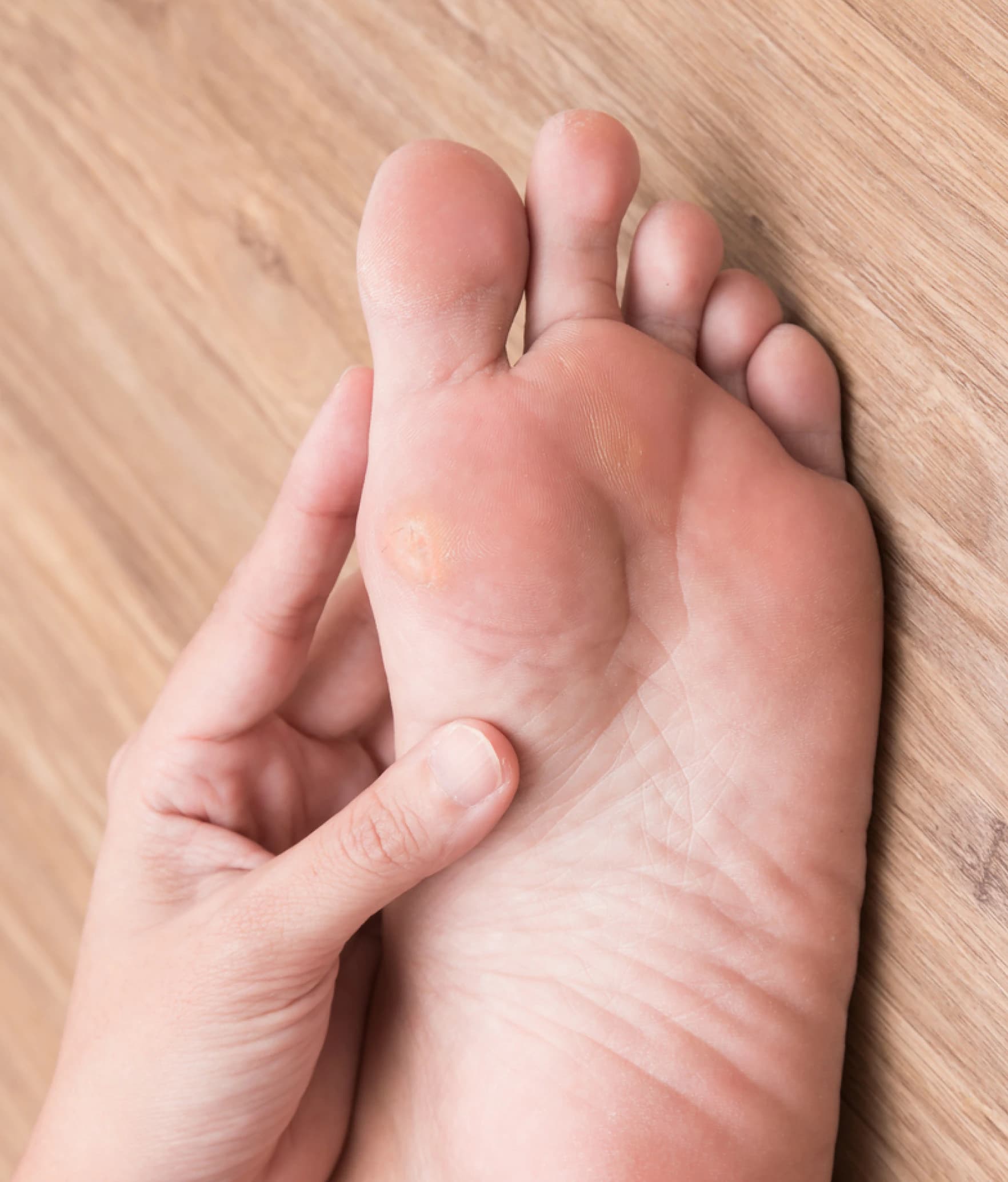
Corns and calluses are areas of thickened skin (hyperkeratosis) that form where the foot is exposed to repeated pressure or friction. A callus is a broader area of hard skin, often on the sole or heel; a corn is a smaller, more concentrated core of hard skin, usually over a bony prominence or between the toes, and can be quite painful.
They're the skin doing its job - protecting itself from load - but when that load is excessive or focused, the build-up becomes painful and can even break down. Simply cutting them away without addressing the pressure means they come straight back.
What Causes Them?
Corns and calluses are a pressure problem. Common contributors include:
Footwear
tight, loose or high-heeled shoes that focus pressure on certain areas
Foot deformities
bunions, hammer toes and prominent joints that rub or bear extra load
Foot mechanics
the way you walk concentrating pressure under specific points
High-load activity
time on your feet or repetitive impact
Dry skin
which cracks and thickens more readily, especially at the heel
Symptoms to Look Out For
Thickened skin
hard, rough patches on the sole, heel or over a joint.
Localised pain
a corn can feel like standing on a small stone, tender to direct pressure.
Soft corns between toes
moist, painful lesions where toes press together.
Cracks or breakdown
deep callus that fissures, which needs prompt care - especially with diabetes.
How We Assess Them
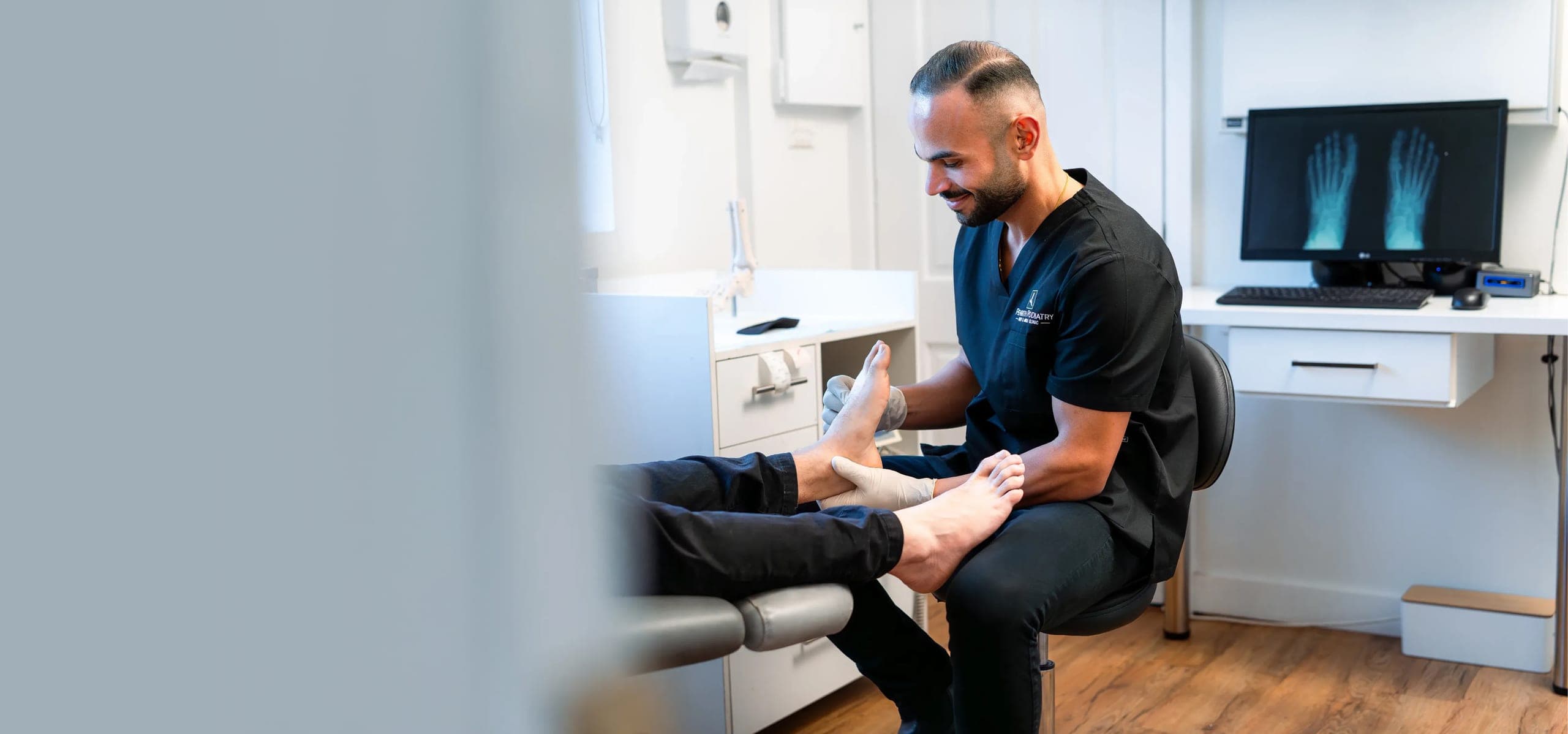
Effective treatment means finding out why the pressure is there, not just removing the hard skin. We assess:
The lesion
confirming it's a corn or callus rather than a wart, which needs different treatment.
Pressure & mechanics
where load is concentrating and why.
Foot structure
checking for bunions, hammer toes or prominent joints driving the pressure.
Circulation & sensation
especially important for patients with diabetes.
Treatment Options
We provide immediate relief and then tackle the cause so the problem doesn't keep returning. Treatment may include:
- Painless debridement - skilled removal of the corn or callus with specialised instruments - it doesn't hurt
- Offloading & padding - redistributing pressure away from the affected area
- Custom orthotics - correcting the mechanics concentrating load under specific points
- Footwear advice - identifying and changing shoes that are contributing
- Skin care - managing dry, thickened skin and heel fissures
- Treating the underlying deformity - addressing bunions or hammer toes driving the pressure
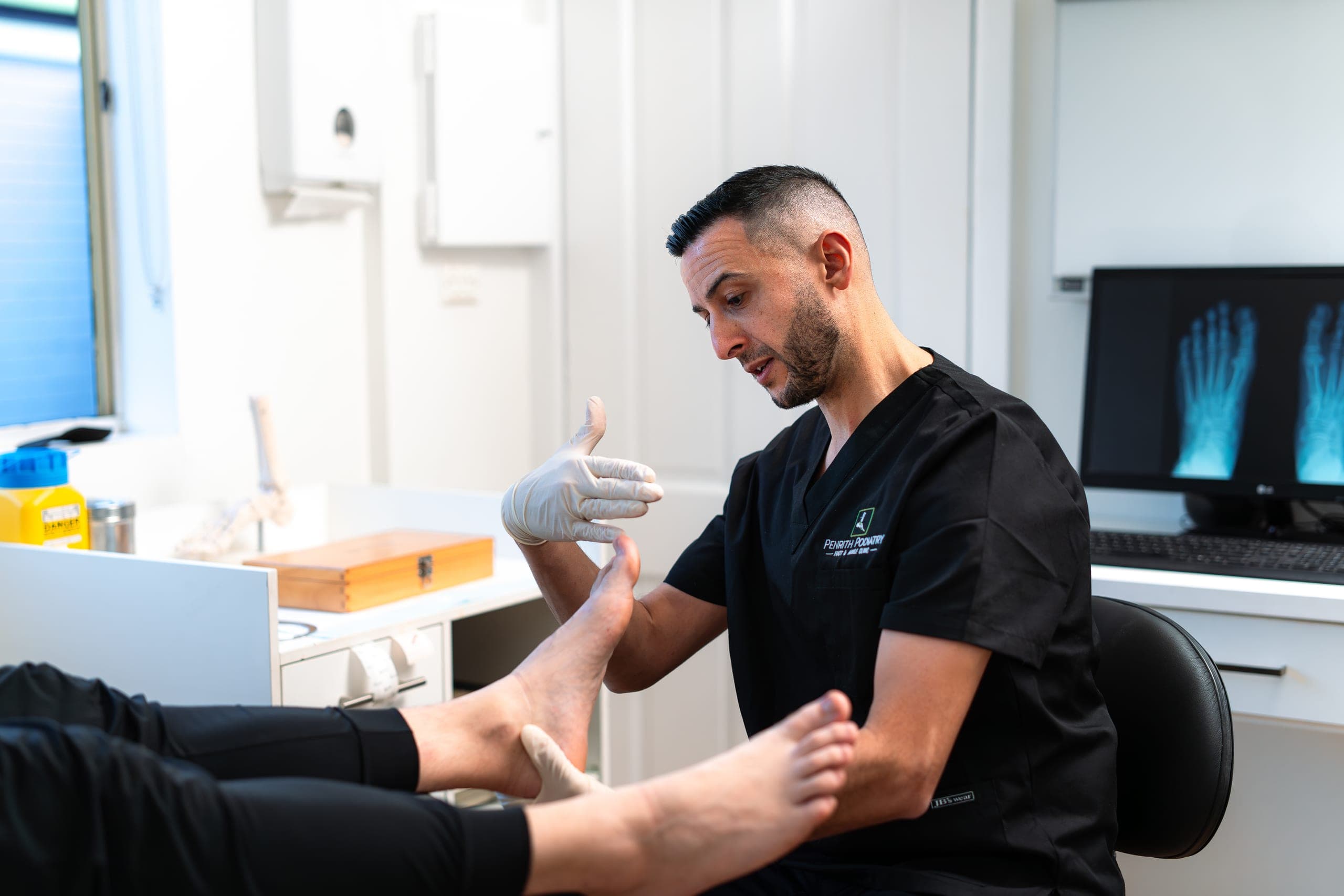
Regular maintenance care keeps recurrent corns and calluses comfortable, while addressing the underlying cause reduces how often they return.
Corns, Calluses & Diabetes
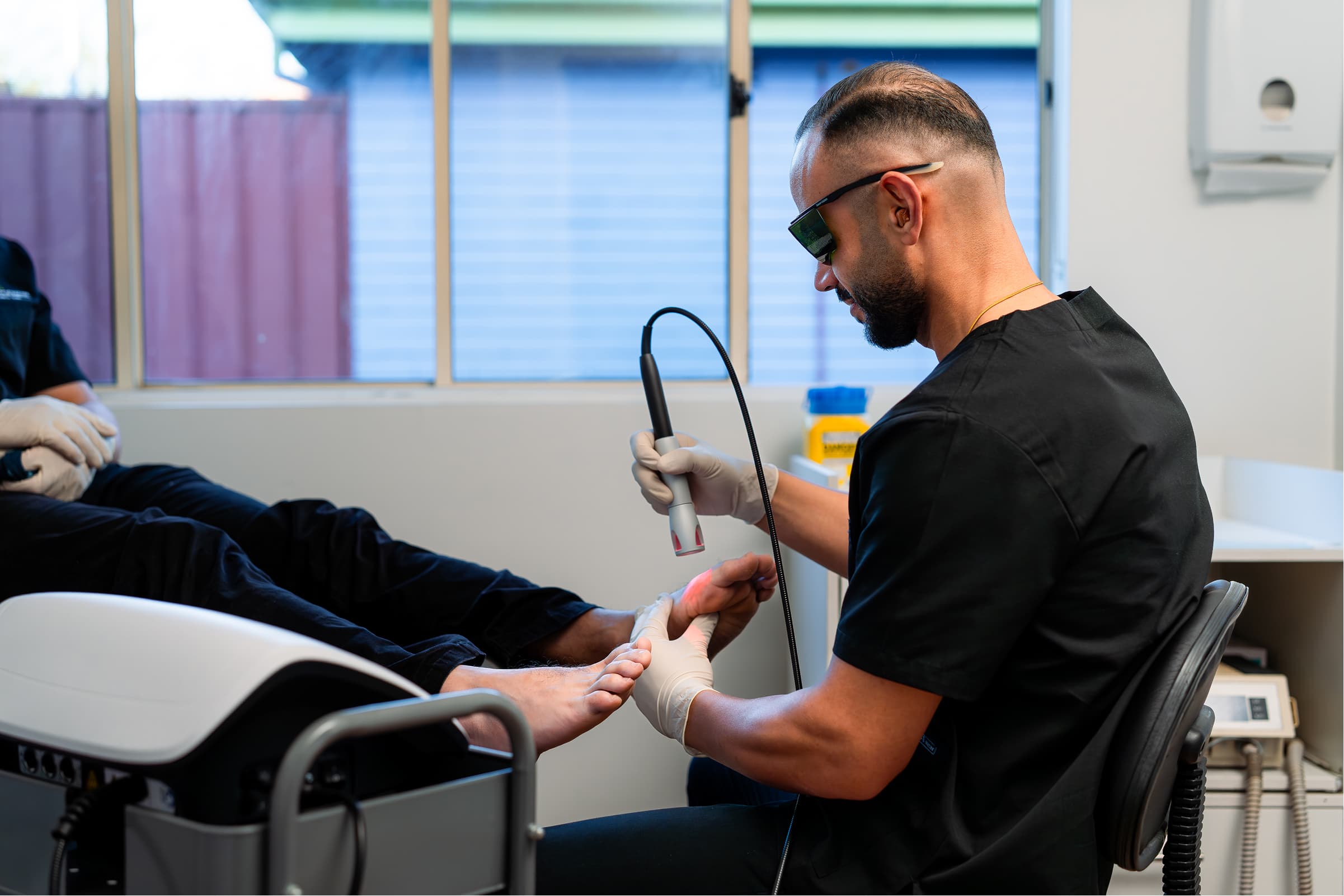
For people with diabetes or reduced circulation, corns and calluses are more than a comfort issue - hard skin can hide pressure damage underneath and, if it breaks down, lead to ulcers. Professional, careful removal (never home 'corn cutting' or acid pads) and regular review are an important part of protecting diabetic feet.
Corns & Calluses FAQs
Does removing a corn or callus hurt?
No. Professional debridement with specialised instruments is painless - most people feel immediate relief. It's very different from cutting at hard skin yourself, which risks injury and infection.
Why do my corns keep coming back?
Because the pressure causing them is still there. Removing the hard skin gives relief, but lasting improvement comes from addressing the cause - footwear, foot mechanics or an underlying deformity - which is exactly what we assess.
Can I treat corns at home?
We don't recommend medicated corn pads or acid treatments, which can damage healthy skin - and they're unsafe for anyone with diabetes or poor circulation. Professional removal is safer and more effective, and addresses the underlying cause.
Is a corn the same as a wart?
No - they can look similar but a wart is a viral infection and needs different treatment. Part of our assessment is telling them apart so you get the right care.
Serving Penrith & Western Sydney
For painful corns or hard skin - and to stop them coming back - book an assessment at our Penrith clinic. We provide safe, thorough care, including for diabetic feet, for patients from across Kingswood, St Marys, Glenmore Park and the Blue Mountains.
Related conditions
Bunions
A progressive big-toe-joint deformity - managed conservatively, corrected with surgery when needed.
Learn moreHammer Toes
A toe bent at the middle joint - flexible deformities are easier to manage than rigid ones.
Learn morePlantar Warts
Painful, stubborn warts on the sole - treated with debridement, medical-grade options and needling.
Learn moreRequest an appointment
Send a few details and our team will be in touch to arrange a time that suits you.
Visit the clinic
Penrith, NSW 2750