Plantar Wart Treatment in Penrith
Plantar warts (verrucae) can be stubborn and painful, especially on weight-bearing areas of the foot. We confirm the diagnosis and use effective, evidence-based options to clear them.
- Accurate diagnosis
- Multiple treatment options
- For stubborn cases
- 60+Years Combined Experience
- 4.9Google Rating (185+)
- Specialist Podiatric Surgeon on team
- Endorsed for Scheduled Medicines
What Are Plantar Warts?
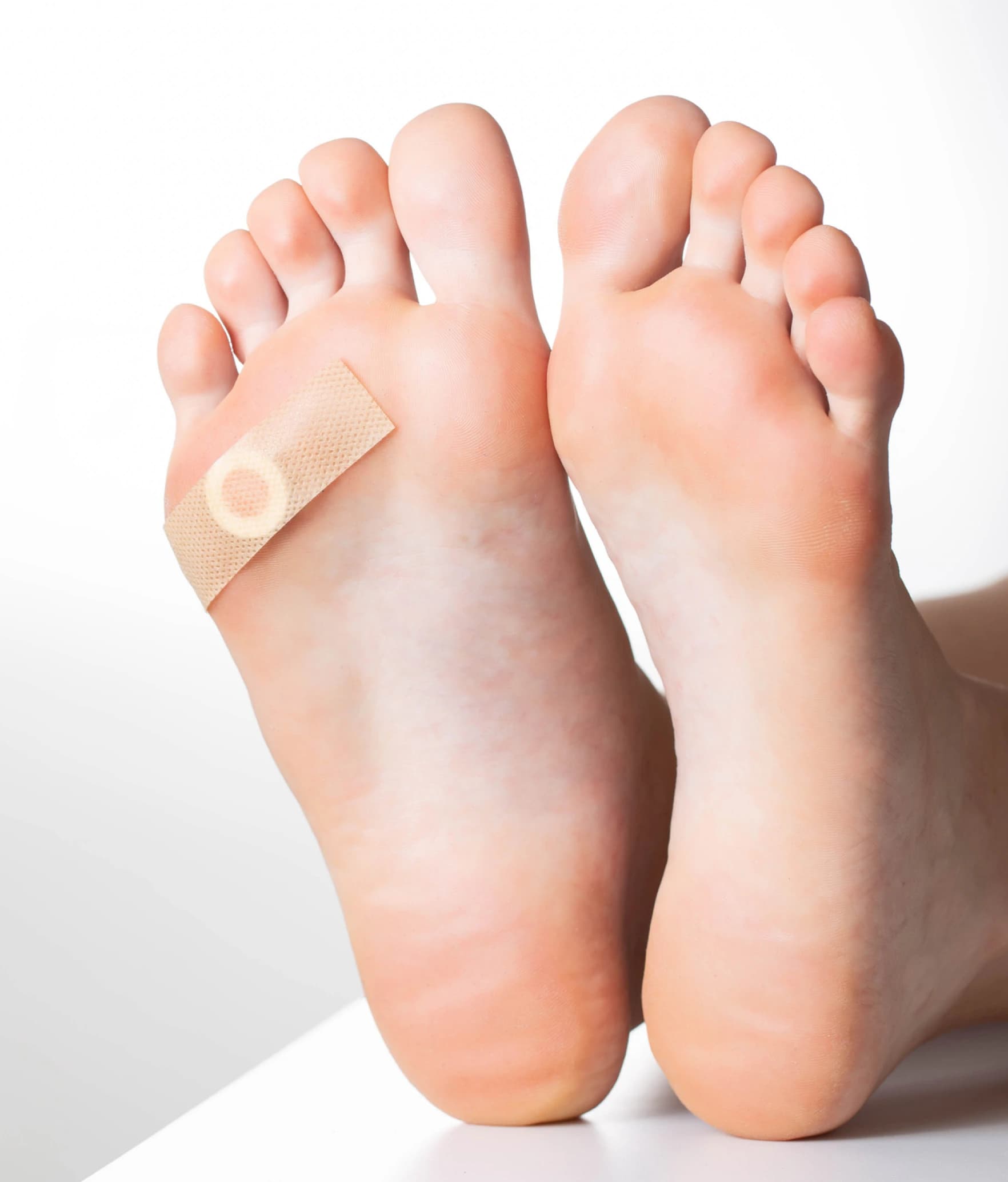
A plantar wart - also called a verruca - is a small skin lesion on the sole of the foot caused by the human papillomavirus (HPV). The virus enters through tiny breaks in the skin, and because warts on the sole are pushed inward by your body weight, they can become painful and grow inward rather than outward.
They're very common, particularly in children, teenagers and anyone who uses communal areas like pools, gyms and change rooms. Some clear on their own over time, but many are persistent, spread, or become painful enough to need treatment.
How You Catch and Spread Them
Plantar warts are contagious and thrive in warm, moist environments. Common risk factors include:
Communal wet areas
pools, showers, gyms and change rooms where the virus survives
Barefoot walking
on contaminated surfaces, especially with any skin breaks
Self-spread
warts spreading to other areas of your own foot
Lowered skin defences
damaged or moist skin that lets the virus take hold
Symptoms to Look Out For
Rough, grainy lesion
a thickened patch on the sole, sometimes with a cauliflower-like surface.
Tiny black dots
small clotted blood vessels within the wart (often mistaken for 'seeds' or roots).
Pain on squeezing
warts are often more painful when pinched from the sides than pressed directly.
Interrupted skin lines
the natural skin lines go around the wart rather than through it.
How Are Plantar Warts Diagnosed?
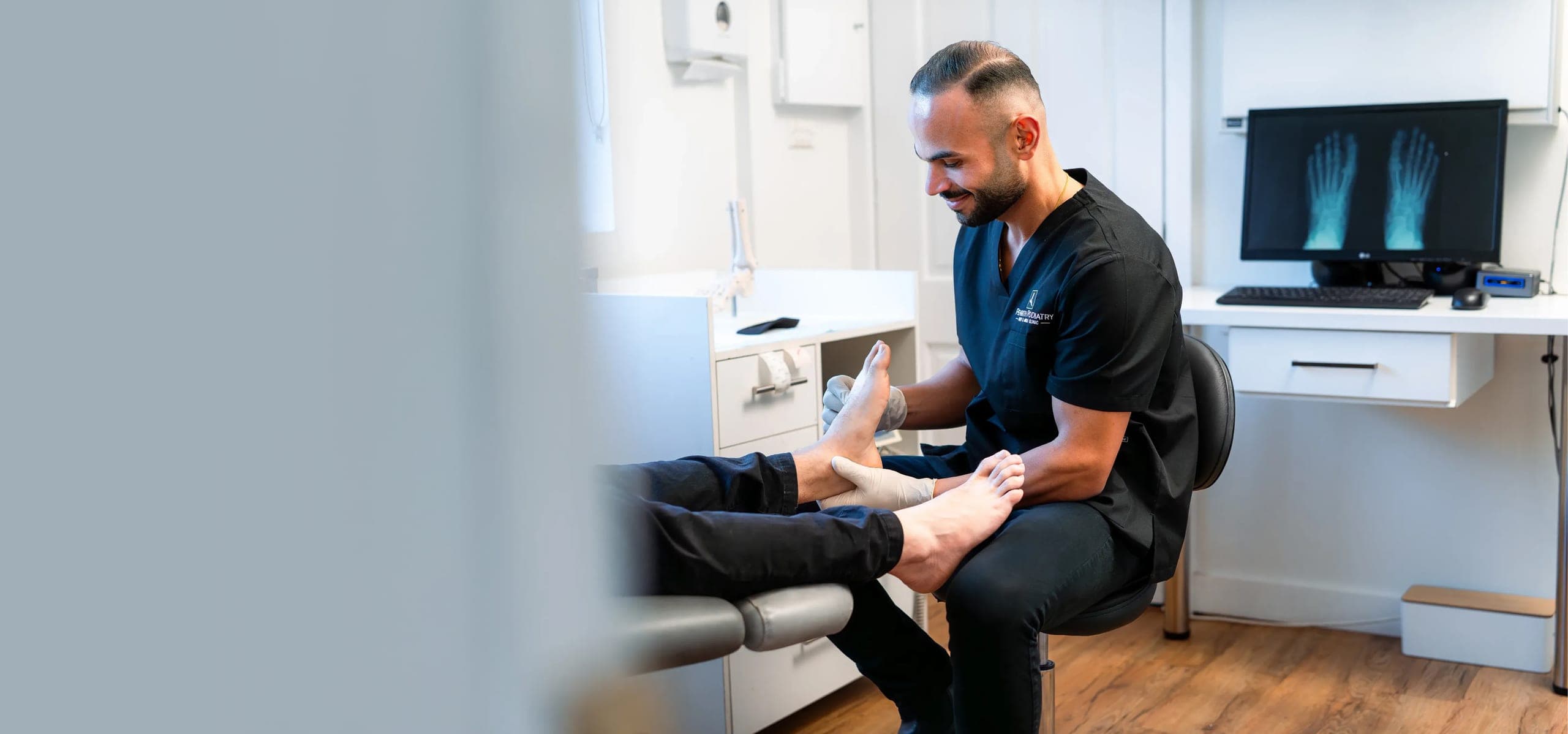
Warts are commonly mistaken for corns, and the treatment differs - so getting the diagnosis right matters. We assess:
Appearance
the surface texture, black dots and how the skin lines behave around the lesion.
Response to debridement
gently paring the surface reveals the tell-tale features that distinguish a wart from a corn.
Pain pattern
pinch versus direct-pressure pain helps confirm it's a wart.
Treatment Options
There's no single cure that suits everyone, so we match the approach to the wart, your age and how long it's been present. Options include:
- Debridement - careful reduction of the overlying hard skin to reduce pain and help treatments work
- Medical-grade topical acids - stronger, targeted preparations applied in-clinic and at home
- Cryotherapy - freezing the wart to stimulate the body to clear it
- Needling (Falknor's technique) - a minor in-clinic procedure that prompts an immune response against stubborn warts
- Combination therapy - combining approaches for persistent or multiple warts
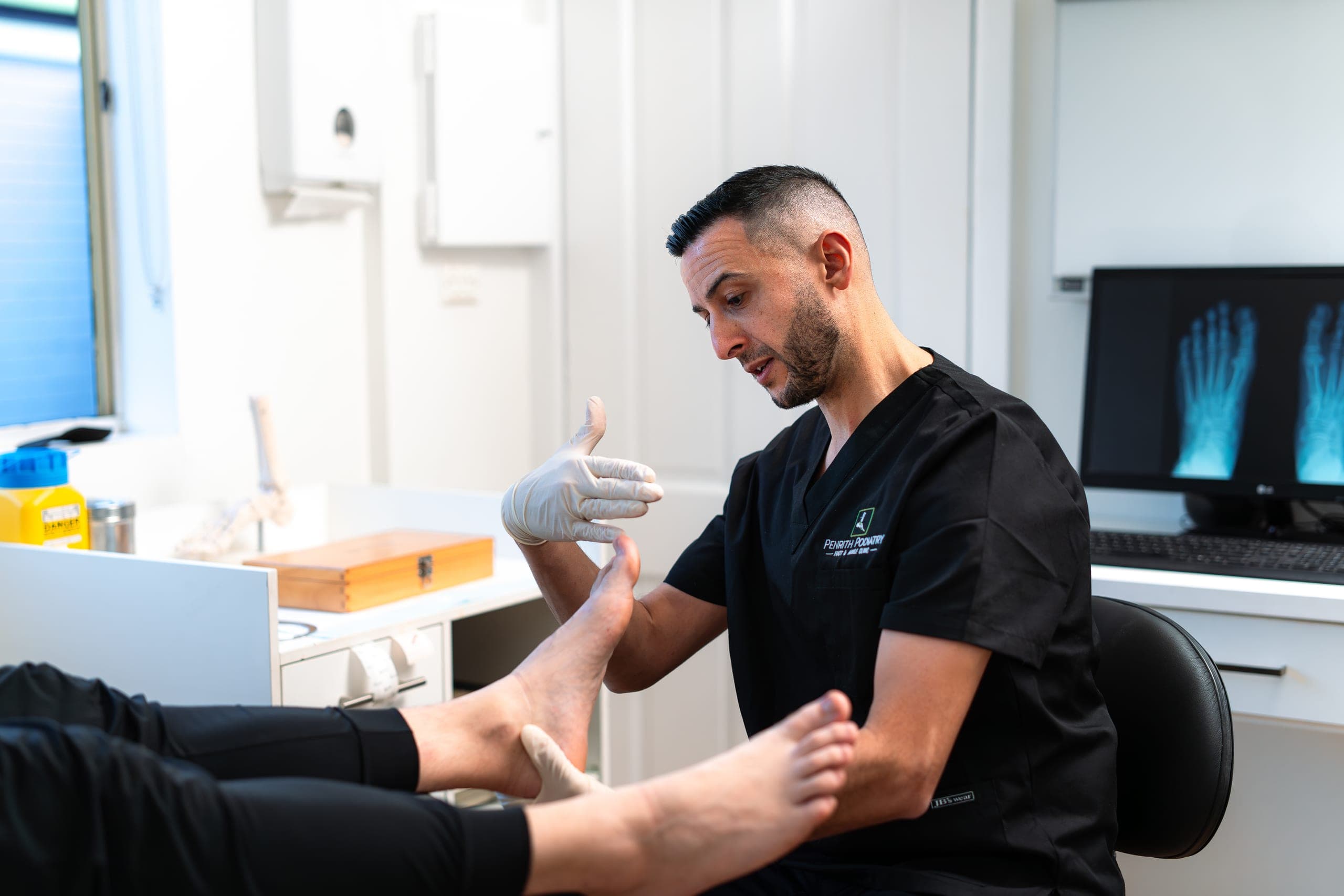
Plantar warts can be persistent, and more than one treatment session is often needed. We'll set realistic expectations and a clear plan.
When Warts Are Stubborn
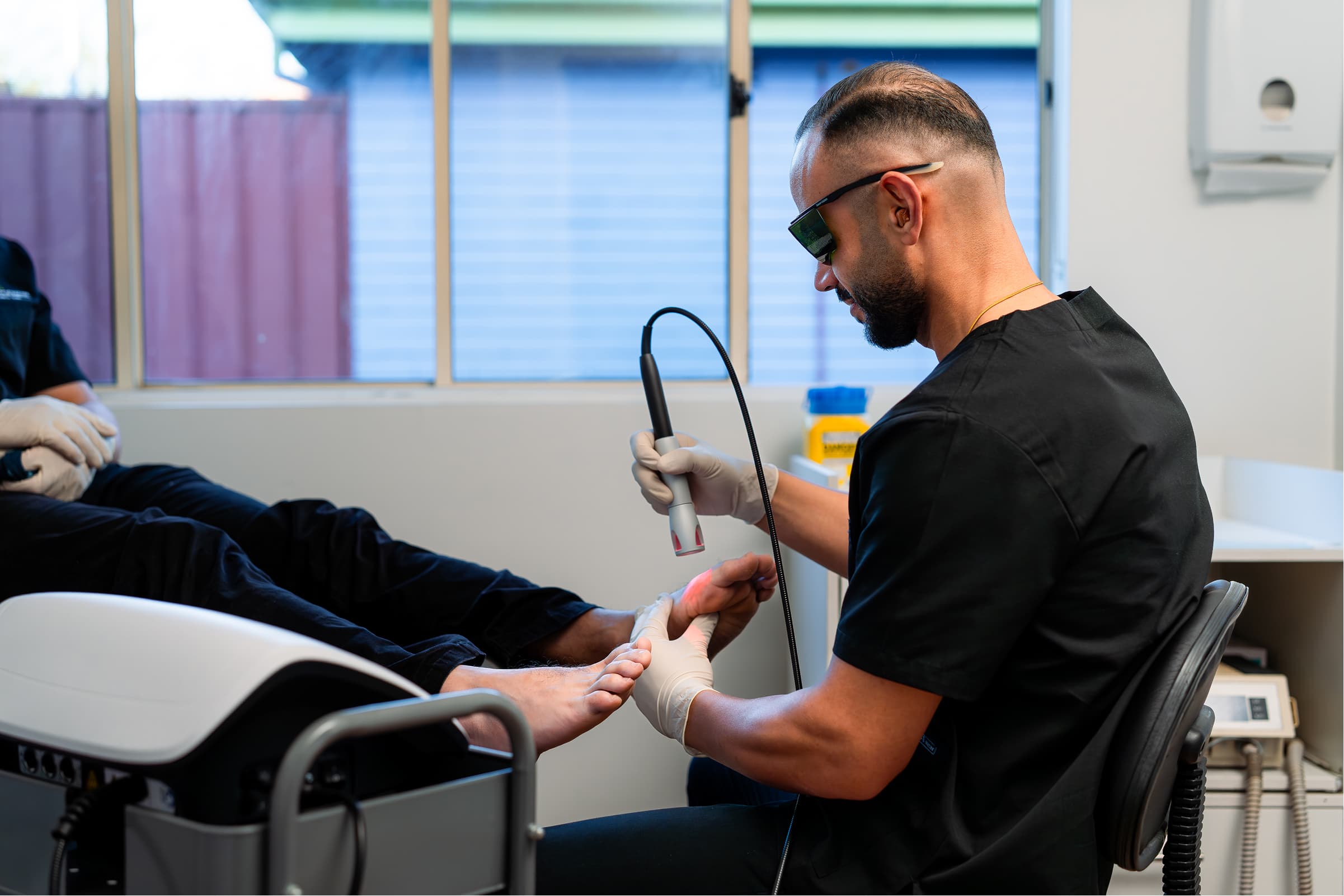
Some warts resist first-line treatment, particularly if they're large, long-standing or multiple. In these cases we step up to more intensive options such as needling, or combine treatments. For people with diabetes or reduced circulation, or where a lesion looks unusual, we assess carefully and involve your GP where appropriate.
Plantar Warts FAQs
What's the difference between a wart and a corn?
They can look similar but are different: a wart is a viral skin infection with tiny black dots and skin lines that go around it, and it's usually more painful when pinched. A corn is a pressure-related thickening. The treatments differ, which is why an accurate diagnosis matters.
Will my plantar wart go away on its own?
Some do, over months to years, especially in children. But many are persistent, spread or become painful - and treatment clears them faster and reduces the chance of spreading them to others or elsewhere on your foot.
Does treatment hurt?
Debridement itself is painless. Some treatments, like cryotherapy or needling, can cause temporary discomfort, but needling is done under local anaesthetic. We'll explain what to expect for whichever option suits you.
How many treatments will I need?
It varies. Some warts respond in one or two sessions; stubborn ones need a course. We'll give you a realistic plan after assessing the wart.
Serving Penrith & Western Sydney
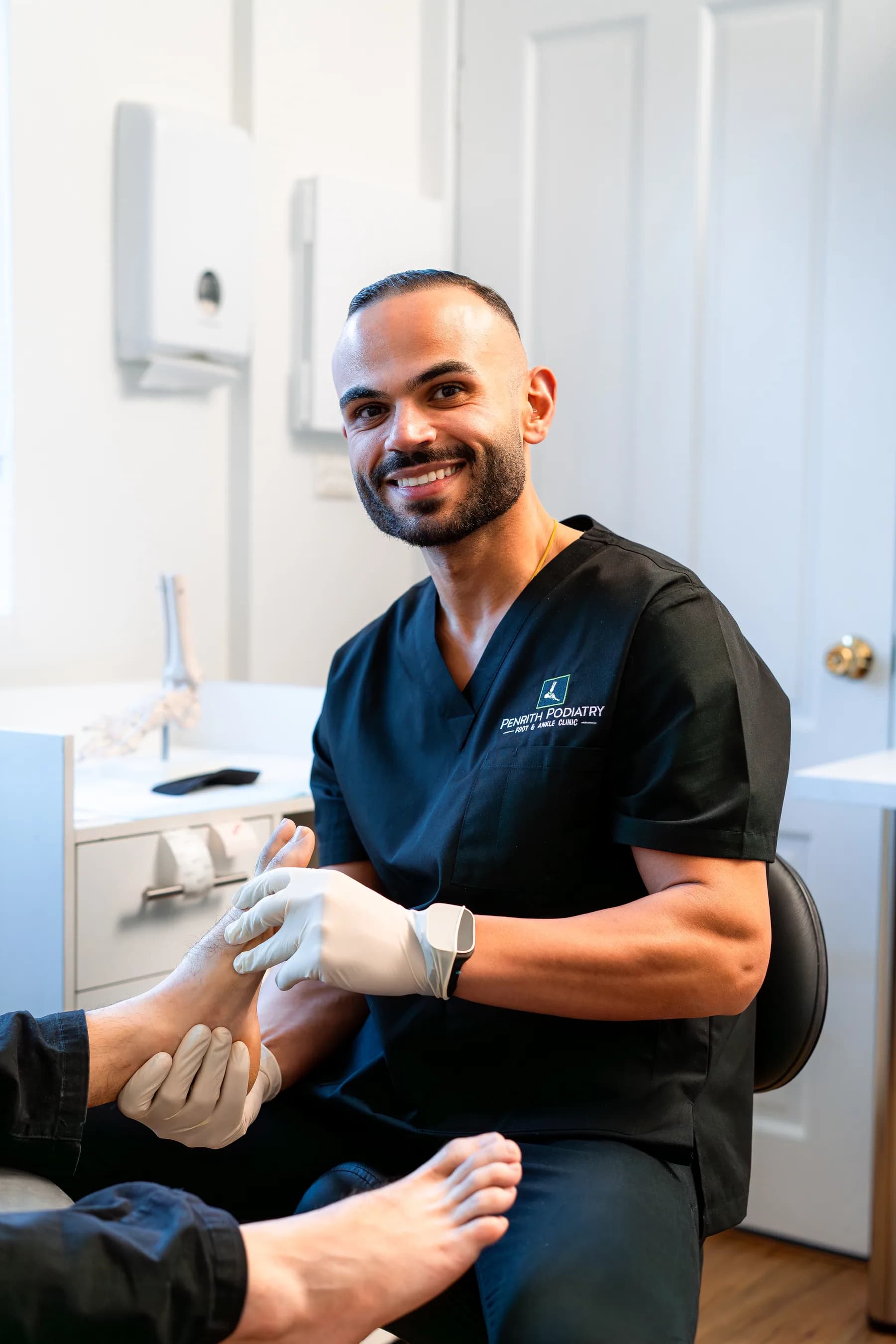
If a painful or stubborn wart isn't clearing, book an assessment and we'll confirm the diagnosis and start effective treatment. We see patients from across Penrith, Kingswood, St Marys, Glenmore Park and the Blue Mountains.
Related conditions
Corns & Calluses
Painful hard skin and corns - painlessly removed, with the pressure that causes them addressed.
Learn moreFungal Nail Infections
Discoloured, thickened or crumbling nails - diagnosed and treated with laser, oral and topical options.
Learn moreIngrown Toenails
A nail edge growing into the skin - relieved same-day, and permanently fixable for recurrent cases.
Learn moreRequest an appointment
Send a few details and our team will be in touch to arrange a time that suits you.
Visit the clinic
Penrith, NSW 2750