Bunion Treatment in Penrith
A bony bump on the inside of your foot that is slowly getting worse? Bunions are progressive - early assessment controls pain, slows progression, and often avoids surgery altogether.
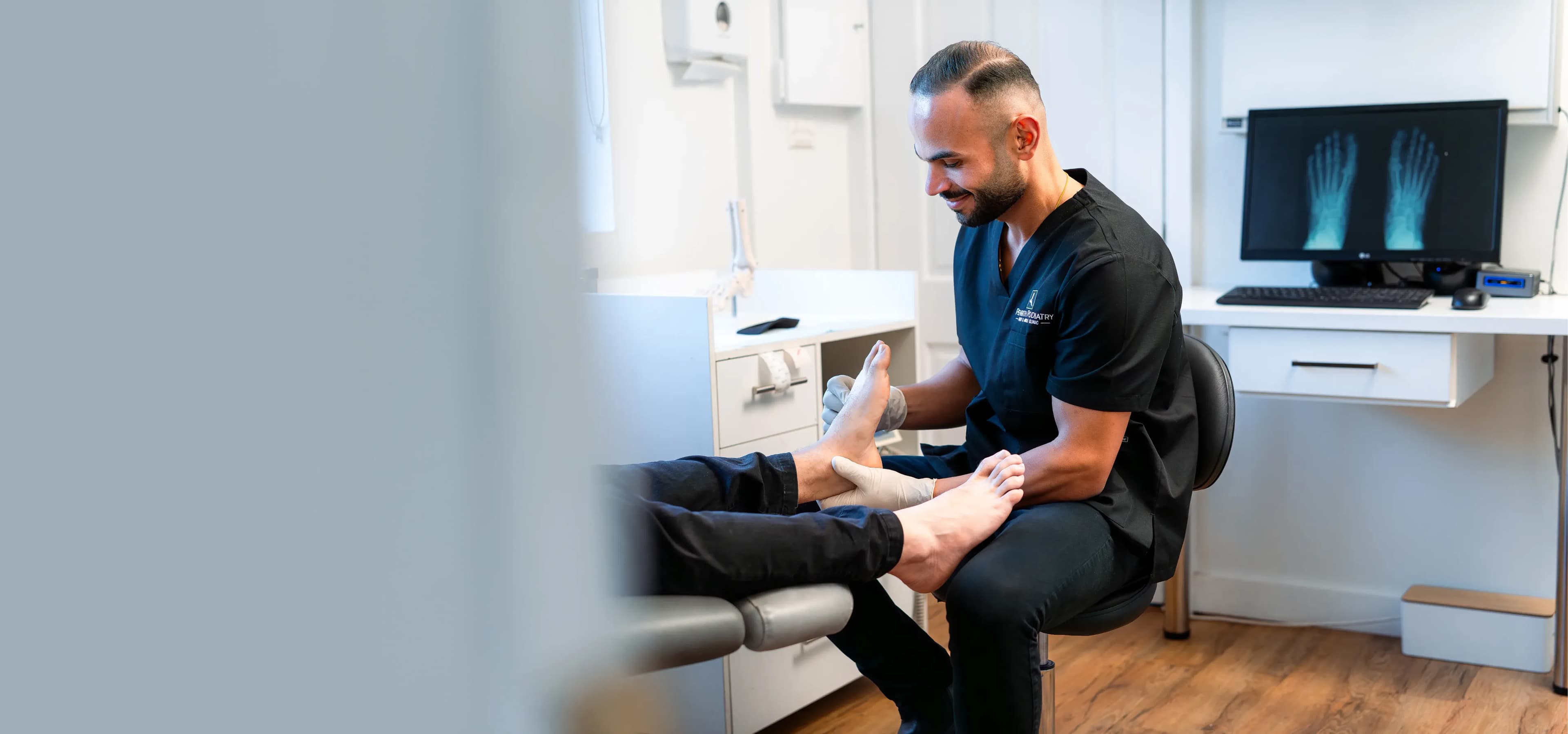
- Weight-bearing X-ray review
- Custom orthotics
- Surgical referral when needed
- 60+Years Combined Experience
- 4.9Google Rating (185+)
- Specialist Podiatric Surgeon on team
- Endorsed for Scheduled Medicines
What Is a Bunion?
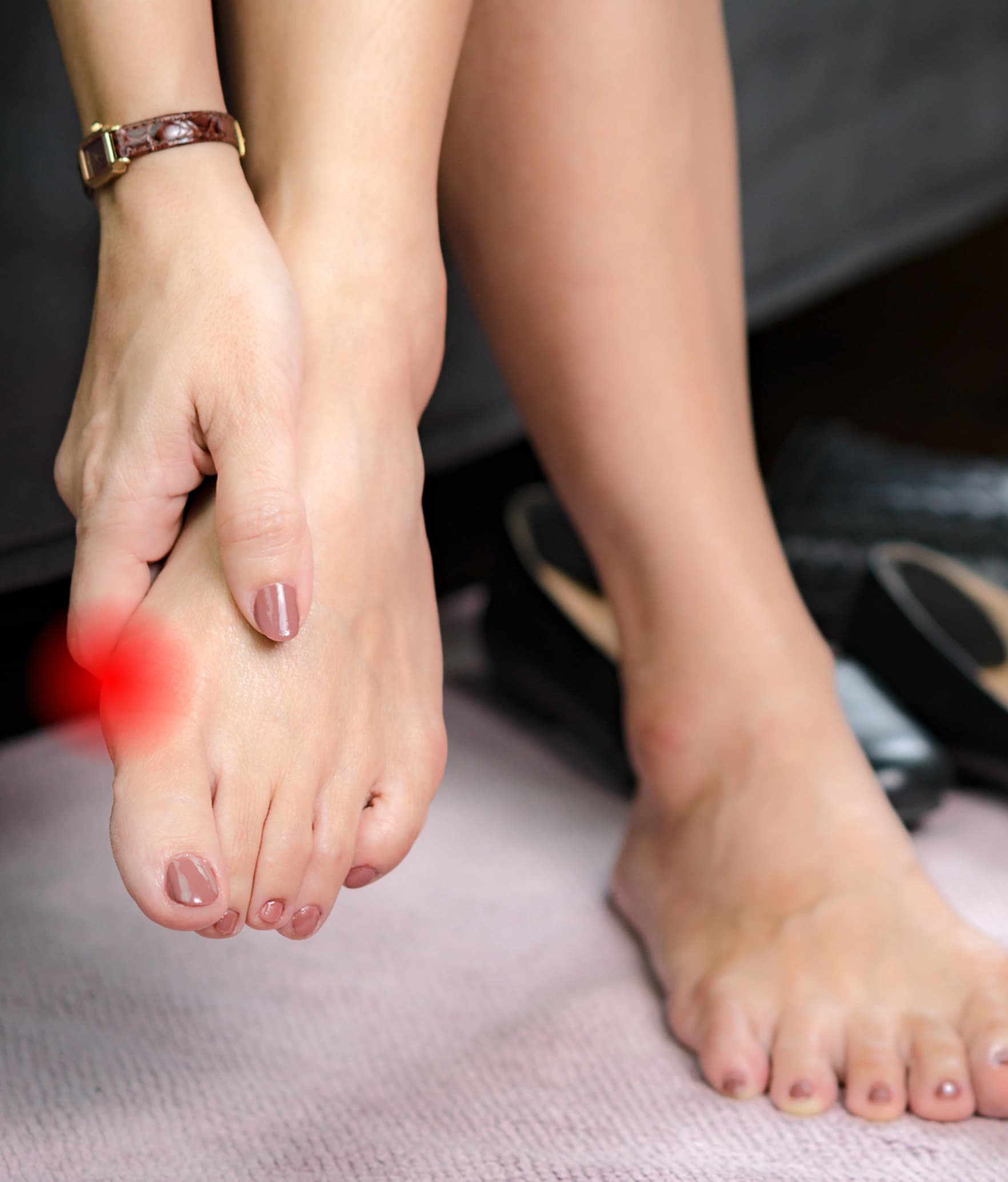
A bunion, known clinically as hallux valgus, is a progressive deformity of the big toe joint. The head of the first metatarsal bone drifts outward while the big toe angles inward toward the second toe, creating the characteristic bony bump on the inside edge of the foot.
It is not a growth of new bone - it is a shift in the joint structure, and it tends to worsen over time if not addressed.
Bunions are more common in women than men and have a strong genetic component, so they often run in families. Footwear choices, foot mechanics, and activity load all influence how quickly the deformity progresses and how much pain it causes.
What Causes Bunions?
Bunions develop from a combination of inherited foot structure and external factors that place repetitive stress on the first toe joint. Contributing factors include:
Family history
A family history of bunions or a flexible, pronating foot type
Tight footwear
Narrow toe-box or high-heeled footwear that pushes the toes together over years
Joint hypermobility
Hypermobility of the first ray (the joint complex at the base of the big toe)
Inflammatory arthritis
Inflammatory conditions such as rheumatoid arthritis
Flat feet
Flat feet or excessive pronation, which loads the inner forefoot
Standing work
Work involving prolonged standing or walking in constrictive footwear
Symptoms of Bunions
Bunions are not always painful - some people have significant deformity with little discomfort, while others have considerable pain with a mild deformity. Appearance does not always match symptoms.
Visible bump
A visible bony prominence on the inside of the foot at the base of the big toe
Redness & swelling
Redness, swelling, or thickened skin (bursitis) over the bump
Joint pain
Pain or aching in the big toe joint, especially with activity or footwear pressure
Stiff big toe
Restricted movement of the big toe
Footwear trouble
Difficulty finding footwear that fits comfortably
Toe crowding
Crowding or hammering of the second toe as the deformity progresses
Corns & callus
Callus or corn formation from abnormal pressure
How Are Bunions Assessed?
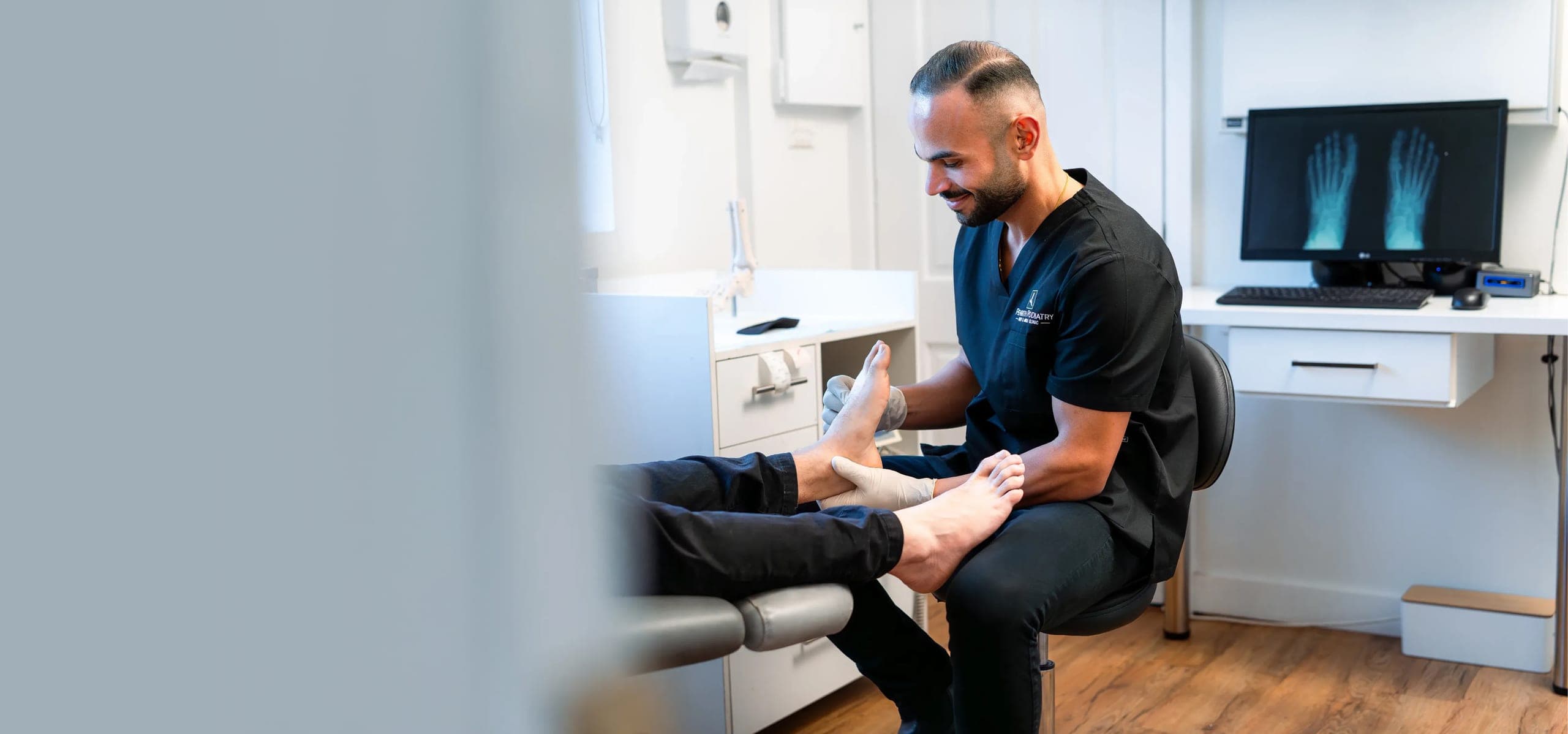
A thorough assessment identifies how far the deformity has progressed, what is driving it, and which treatment pathway is appropriate. Assessment includes:
Clinical examination
of the foot and big toe joint
Range & stability
assessment of joint movement and stability
Posture & gait
evaluation of foot posture and walking mechanics
Weight-bearing X-ray
to measure the angular deformity and joint congruency
Footwear review
identifying what is aggravating the joint
Associated deformities
checking for hammer toes and plantar plate issues
Conservative Treatment Options
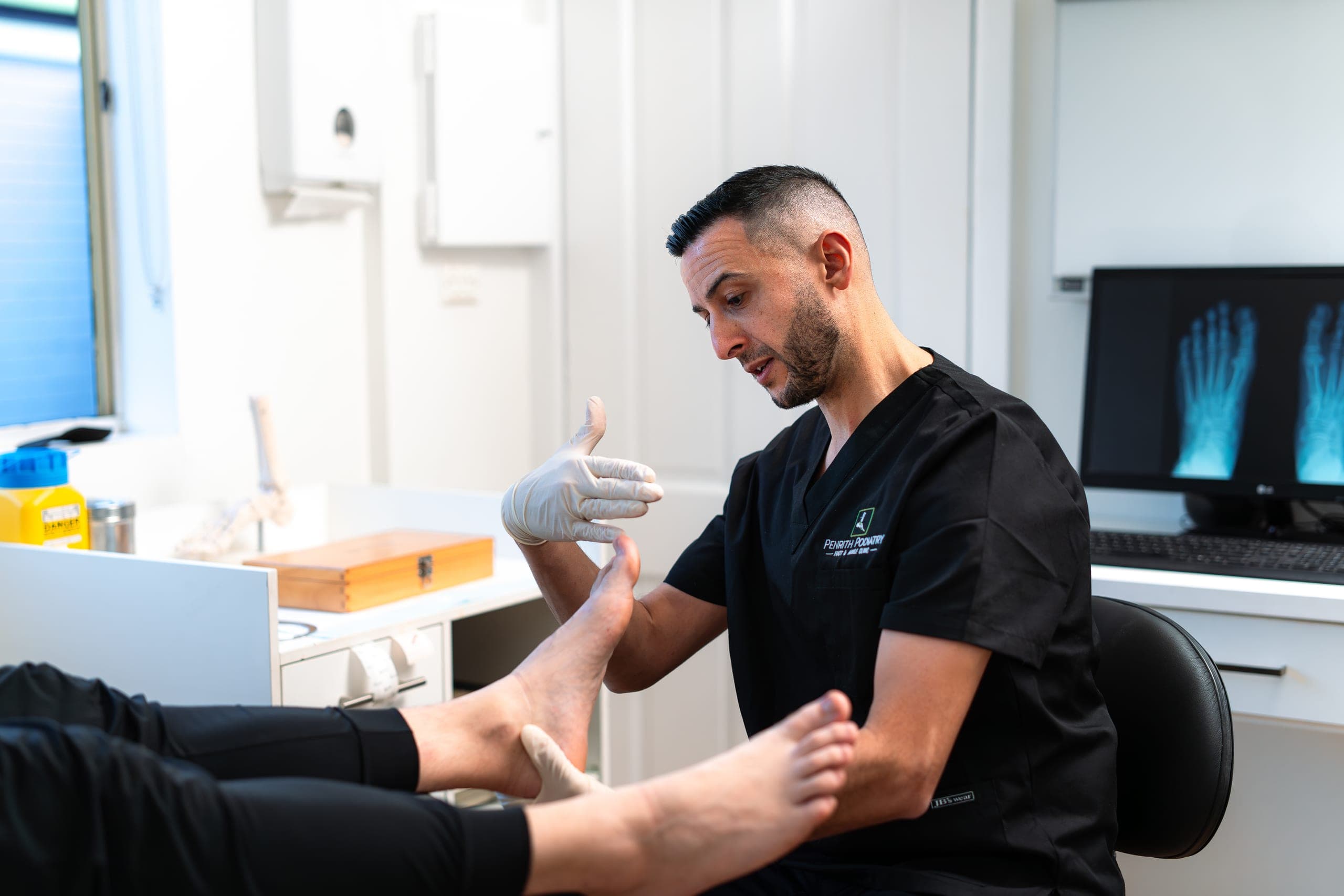
Conservative treatment cannot reverse a bunion, but it can effectively manage symptoms, slow progression, and in many cases avoid surgery altogether. Options include:
- Custom foot orthotics - addressing the mechanical drivers, particularly pronation and inner-forefoot load - reducing pain and slowing progression
- Footwear assessment - replacing aggravating footwear and advising wider toe-box options that fit your life
- Bunion splints & toe spacers - improving comfort and toe alignment for mild-to-moderate deformity
- Padding & off-loading - reducing friction and pressure over the prominent joint
- Exercise prescription - strengthening the intrinsic foot muscles and hip external rotators
- Anti-inflammatory measures - ice, elevation and, where appropriate, topical or oral anti-inflammatories for flare-ups
- Joint mobilisation - maintaining available range of motion in the big toe joint
When Is Surgery Considered?
For many patients, conservative care controls symptoms for years. Surgery is considered when pain persists and affects quality of life despite conservative care, when the deformity causes secondary problems (hammer toes, plantar plate tears, nerve compression), when footwear fitting is no longer possible, or when joint arthritis has developed. Bunion surgery (osteotomy or arthrodesis, depending on severity) corrects the underlying bony alignment - a planned, elective procedure with good long-term outcomes at the right time. If surgery is indicated, your clinician will guide you through it and connect you with an appropriate specialist.
A Note on Timing
Many patients wait until pain becomes severe before seeking help, which often means the deformity has progressed further than necessary and conservative options are more limited. Early assessment generally leads to better long-term outcomes - whether or not surgery is eventually needed.
Bunions FAQs
Can bunions be corrected without surgery?
The angular deformity cannot be reversed without surgery. Conservative treatment manages pain, improves function and slows progression, but does not straighten the toe structurally. Whether surgery is needed depends on severity and how well symptoms are controlled.
Are bunions hereditary?
Yes, to a significant degree. If one or both parents had bunions, you are more likely to develop them. This reflects an inherited foot structure rather than a single gene.
Will wearing better shoes fix my bunion?
Improving footwear is an important part of management and can reduce pain and slow progression, but it will not correct a deformity that has already developed. It is a meaningful and necessary part of any conservative programme.
At what age do bunions typically appear?
Bunions can develop at any age, including in adolescents (juvenile hallux valgus). They are most commonly diagnosed in adults aged 40 and older, though the deformity often begins earlier.
Serving Penrith & Western Sydney
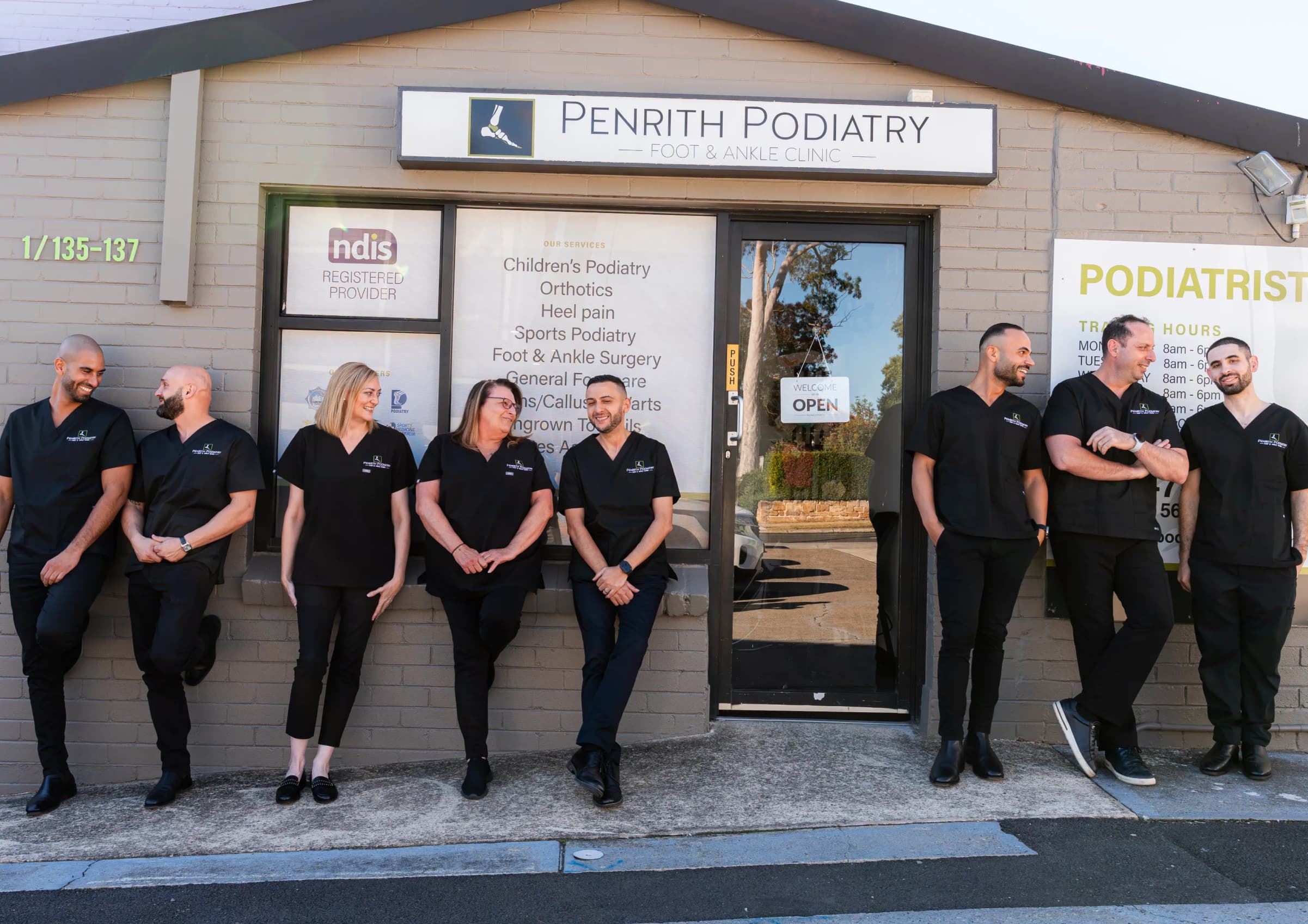
Penrith Podiatry Foot and Ankle Clinic is at 1/135-137 High Street, Penrith, seeing patients from Kingswood, St Marys, Emu Plains, Glenmore Park, Werrington and Nepean. If a bump is developing on the inside of your foot, or existing bunion pain is getting harder to manage, early assessment makes a real difference.
Related conditions
Hammer Toes
A toe bent at the middle joint - flexible deformities are easier to manage than rigid ones.
Learn moreFlat Feet
Reduced or absent arches - often harmless, sometimes progressive. Assessment tells you which.
Learn moreForefoot Pain
Pain in the ball of the foot - a symptom pattern with several causes, almost always treatable conservatively.
Learn moreRequest an appointment
Send a few details and our team will be in touch to arrange a time that suits you.
Visit the clinic
Penrith, NSW 2750