
Ingrown Toenail Treatment in Penrith
A red, painful, sometimes infected nail edge that keeps coming back? Ingrown toenails are one of the most straightforward problems to fix when managed promptly - and permanently correctable when recurrent.
- Same-day pain relief
- Permanent nail surgery
- Local anaesthetic, no hospital
- 60+Years Combined Experience
- 4.9Google Rating (185+)
- Specialist Podiatric Surgeon on team
- Endorsed for Scheduled Medicines
What Is an Ingrown Toenail?
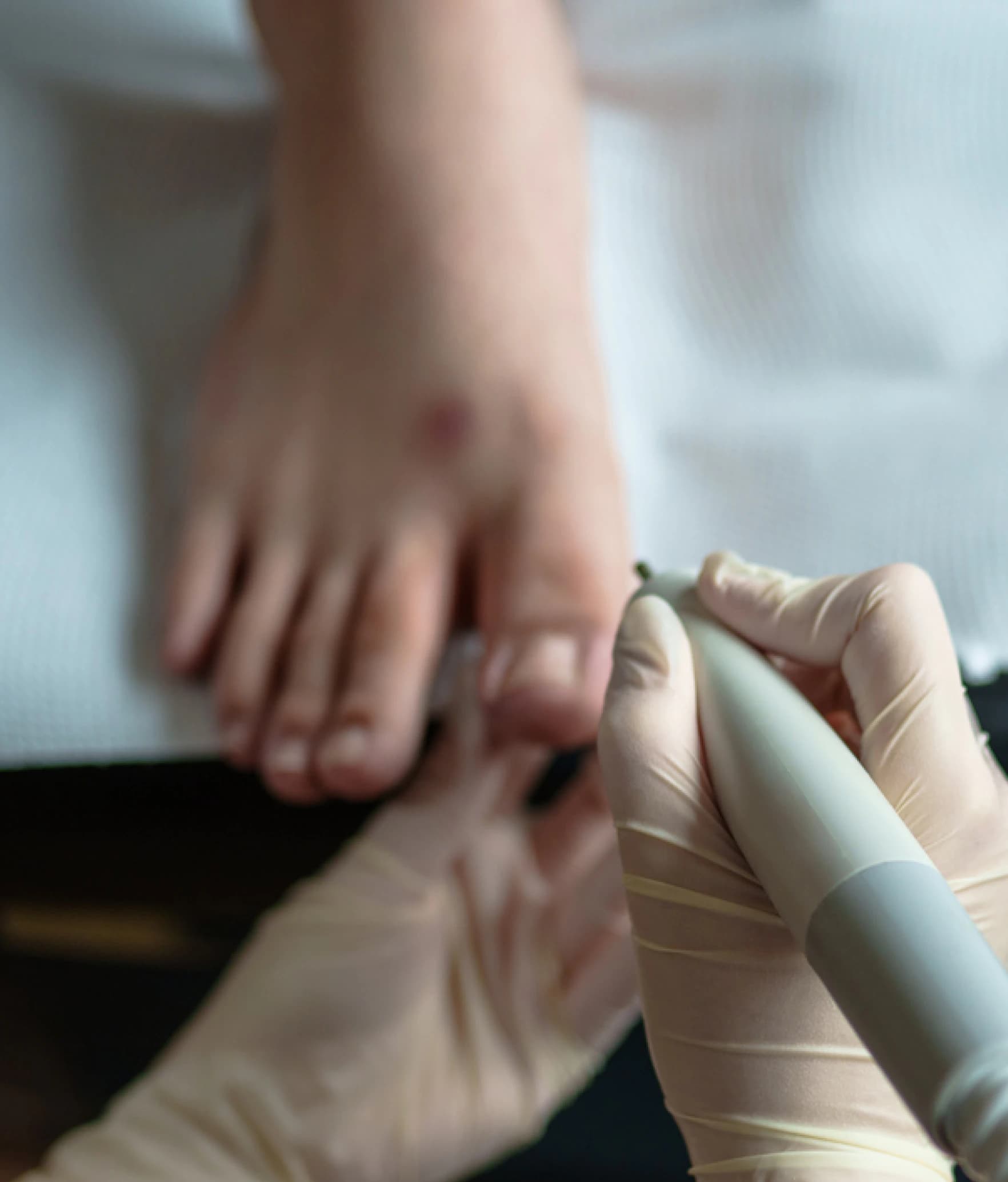
An ingrown toenail (onychocryptosis) occurs when the edge or corner of the nail grows into the surrounding skin rather than over it, causing the skin alongside the nail to become irritated, inflamed and in many cases infected.
The big toe is affected most often, but any toenail can become ingrown. Left untreated, what begins as localised pain and redness can progress to a significant infection requiring more involved treatment.
They are extremely common across all age groups and one of the most frequent presentations at podiatry clinics across Penrith and Western Sydney - and one of the most straightforward to treat when managed early.
What Causes Ingrown Toenails?
Common causes include:
Cutting technique
Incorrect nail-cutting technique, particularly cutting too short or rounding the corners
Tight footwear
Tight or narrow footwear that presses the skin against the nail edge
Inherited nail shape
An inherited nail shape that is naturally curved or wide
Nail trauma
Trauma from stubbing, impact, or repetitive pressure in sport
Sweaty feet
Excessive sweating (hyperhidrosis), which softens the surrounding skin
Nail picking
Nail picking or tearing rather than cutting
Pincer nail
An involuted (pincer) nail that curves excessively inward on both sides
Symptoms
If you notice spreading redness, significant swelling, fever, or red streaking up the foot or leg, seek medical attention promptly - these are signs of a deeper infection.
Nail-edge pain
Pain along one or both sides of the nail, especially with footwear pressure
Redness & swelling
Redness and swelling of the skin alongside the nail
Warmth & tenderness
Warmth and tenderness in the affected area
Discharge
Discharge (clear, yellow or green) indicating infection
Proud flesh
Hypergranulation tissue ('proud flesh') alongside the nail in chronic cases
Conservative Treatment
Mild to moderate ingrown toenails can be managed conservatively, particularly in the early stages:
- Nail edge removal - skilled removal of the offending nail spike without surgery - immediate relief for early-stage presentations
- Nail packing & bracing - lifting the nail edge away from the skin to guide regrowth into a better position
- Nail bracing (Onyfix) - a composite strip that gently corrects nail curvature over time, useful for involuted nails
- Footwear advice - identifying and replacing footwear that presses on the nail edge
- Nail-cutting education - teaching correct technique to prevent recurrence
- Antiseptic management - for mild early-stage infection or irritation
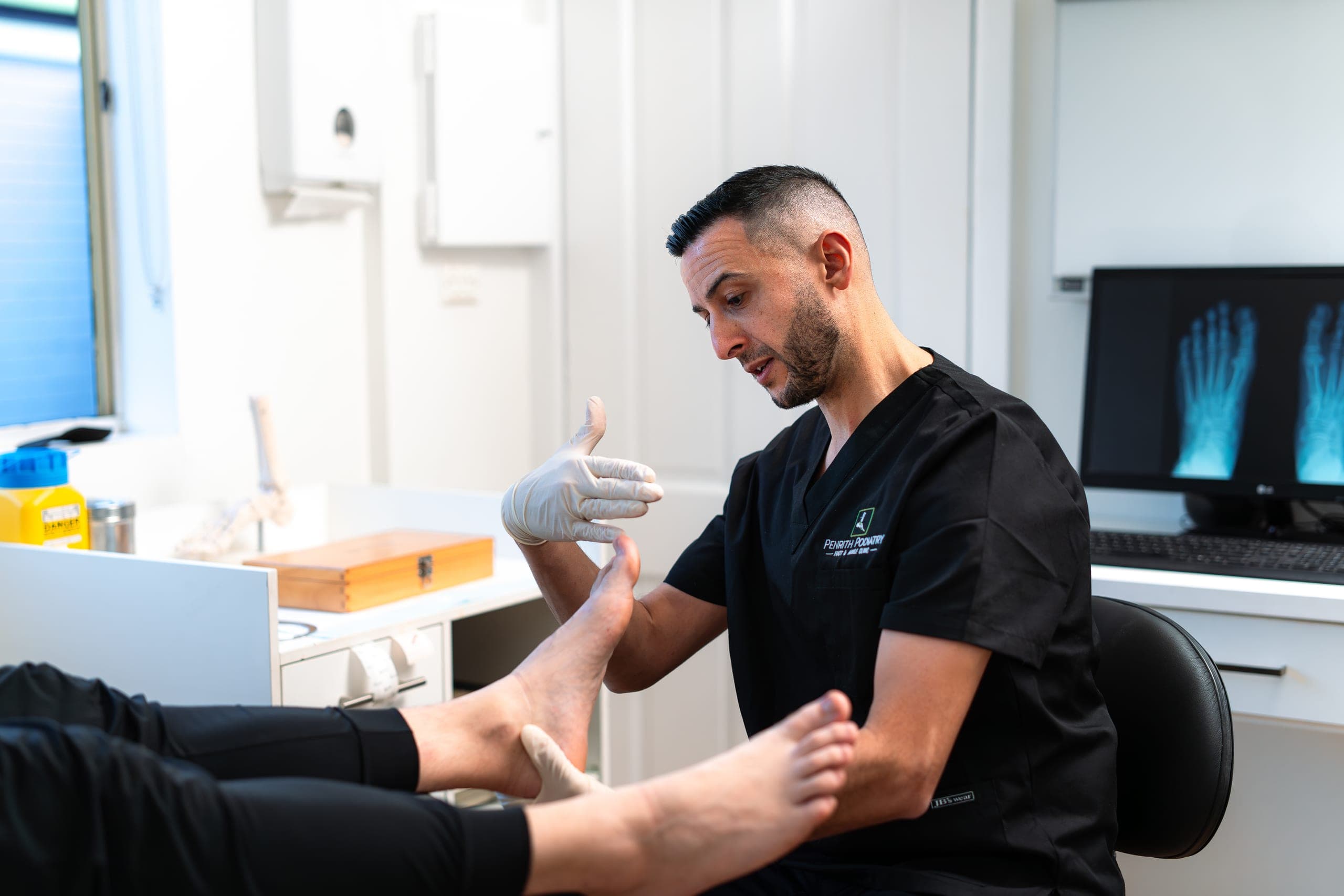
For recurring ingrown toenails, a minor nail procedure is the most effective long-term solution.
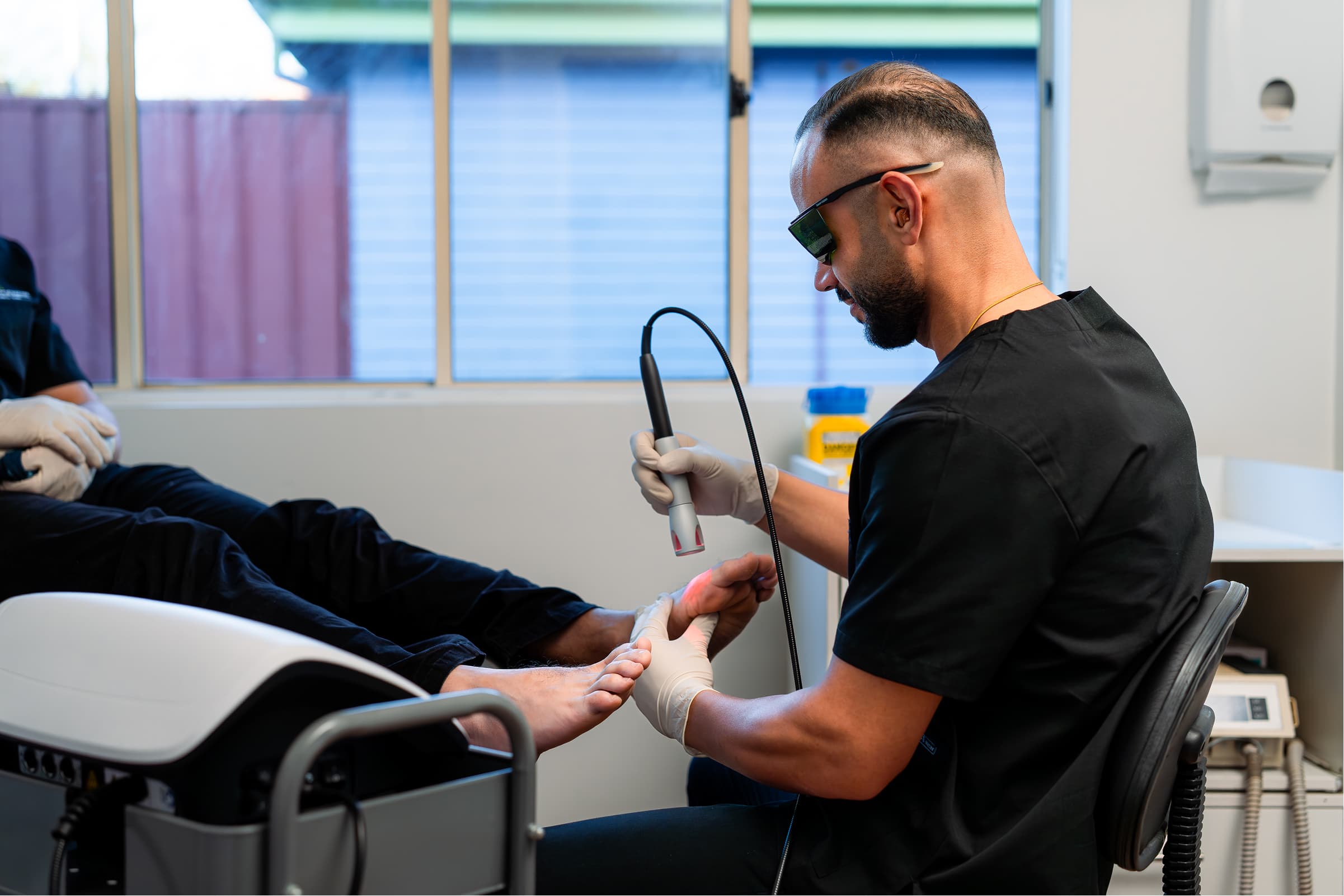
Nail Surgery (Partial Nail Avulsion)
For recurrent or chronic ingrown toenails, a partial nail avulsion (PNA) with phenolisation is a highly effective, permanent solution. The toe is numbed with local anaesthetic, a narrow strip of nail along the affected edge is removed, and phenol is applied to permanently prevent that edge regrowing. You walk out the same day, with regular dressings for 2-4 weeks. Recurrence is typically under 5%, and no hospital visit or general anaesthetic is required.
Ingrown Toenails FAQs
Can I treat an ingrown toenail at home?
Soaking in warm salty water can give temporary comfort, but digging at the nail edge at home usually worsens the problem and increases infection risk. If the nail is red, swollen or discharging, see a podiatrist.
Is the nail surgery painful?
The local anaesthetic injection is the only uncomfortable part. Once the toe is numb you won't feel the nail removal - most patients are surprised how straightforward it is.
Will the nail grow back normally after surgery?
Following phenolisation the treated nail edge doesn't grow back. The remaining nail still grows normally and looks cosmetically acceptable.
My ingrown toenail keeps coming back. What should I do?
Recurrence strongly suggests conservative management alone won't provide a permanent solution. A partial nail avulsion with phenolisation has a very low recurrence rate and is the most effective treatment for recurrent cases.
Serving Penrith & Western Sydney
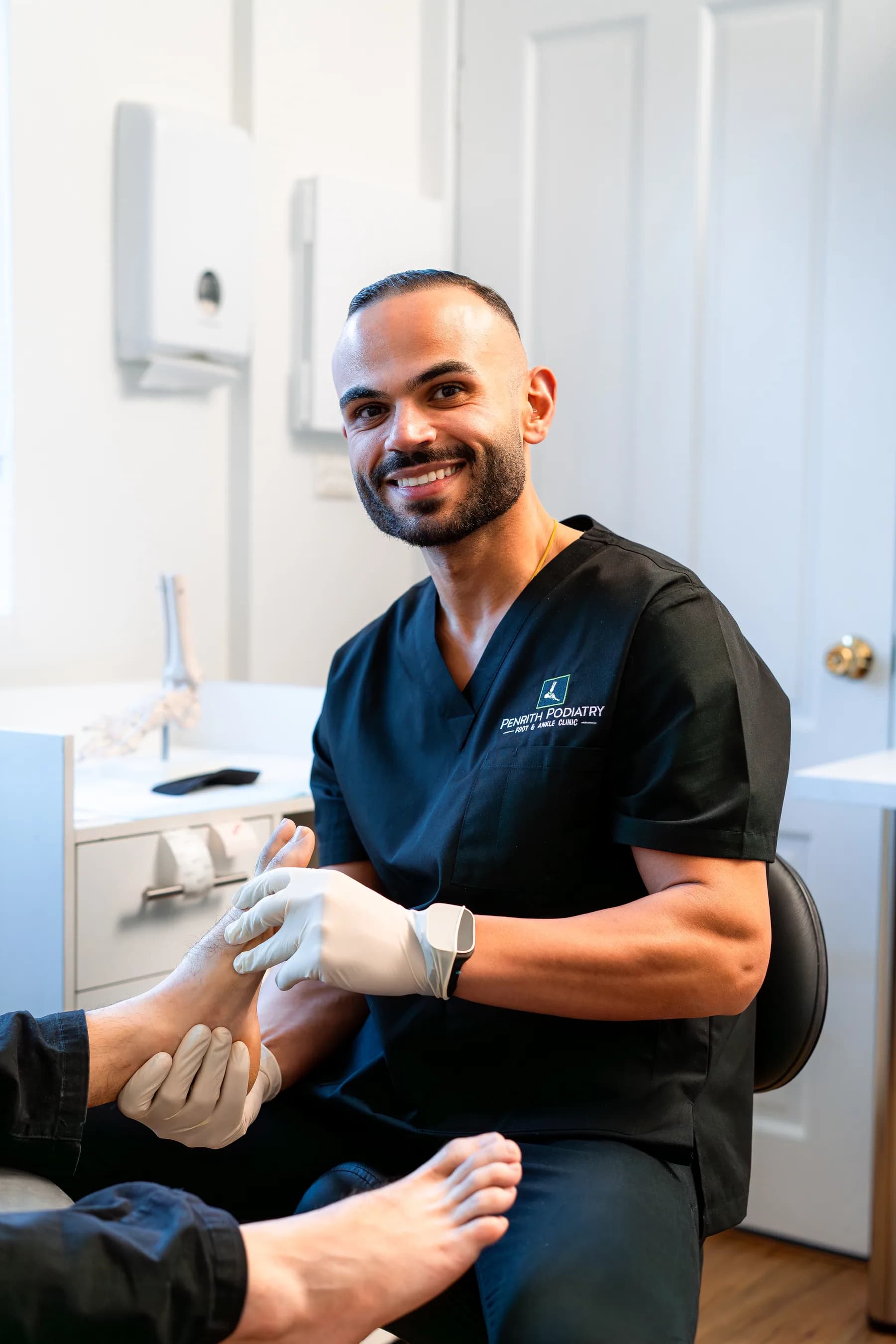
Penrith Podiatry Foot and Ankle Clinic is at 1/135-137 High Street, Penrith, treating ingrown toenails for patients from Kingswood, St Marys, Emu Plains, Glenmore Park and Penrith CBD. Ingrown toenails rarely resolve on their own and get harder to manage the longer they're left - book online or call us.
Request an appointment
Send a few details and our team will be in touch to arrange a time that suits you.
Visit the clinic
Penrith, NSW 2750