
What to Expect from Ingrown Toenail Surgery — A Patient Guide
TL;DR
Ingrown toenail surgery at Penrith Podiatry is a straightforward in-clinic procedure under local anaesthetic. The offending nail edge is removed and phenol is applied to prevent it regrowing. Most patients walk out the same day and return to normal activity within a day or two. If your ingrown toenail keeps coming back, this is the permanent solution.
What the Procedure Involves
The procedure used for ingrown toenails is called a partial nail avulsion with phenolisation. It sounds more complicated than it is.
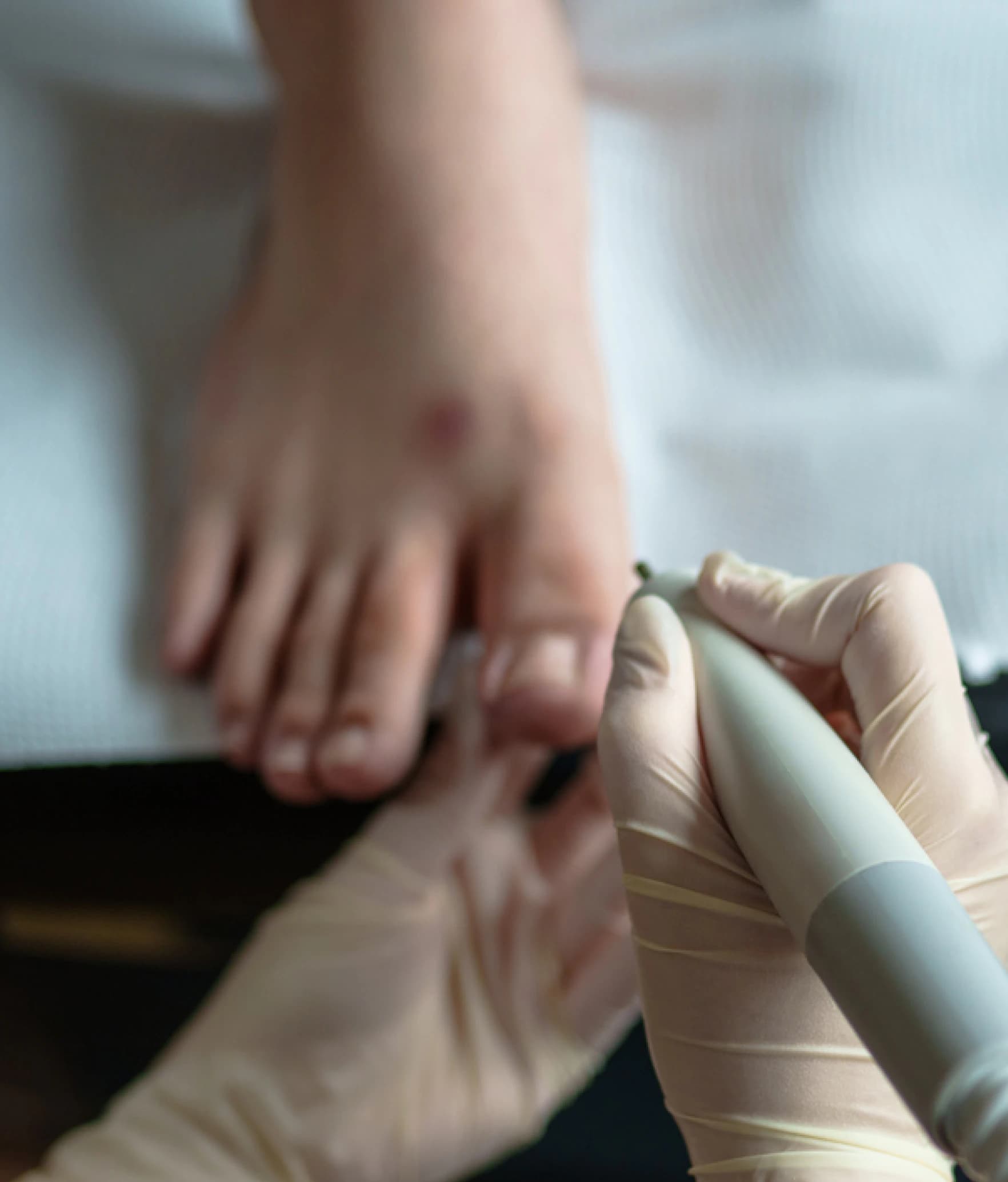
In plain terms: after the toe is numbed with a local anaesthetic injection, the podiatrist removes the offending strip of nail — just the edge that's causing the problem, not the entire nail. A chemical called phenol is then applied to the nail matrix (the tissue at the base of the nail that produces growth) along that same edge. This stops the nail regrowing in the area where it was causing trouble.
The result is a nail that is slightly narrower but otherwise looks and functions normally. The edge that was growing into your skin is gone permanently. The procedure is done in the consulting room, takes around 30 to 45 minutes from start to finish including preparation and dressing, and does not require a hospital admission.
Will It Hurt?
This is the question most patients ask first, and the honest answer is: the local anaesthetic injection is uncomfortable for a moment, but the procedure itself should not be painful.
The injection numbs the toe before anything else happens. Once the anaesthetic takes effect, you will feel pressure and movement but not pain. Most people are surprised by how straightforward it is compared to what they were expecting.
After the procedure, when the anaesthetic wears off, the toe will be sore and tender — this is normal and expected. Over-the-counter pain relief manages it well for most people. The soreness settles over the first few days as the area heals.
How Long Does the Procedure Take?
Most ingrown toenail procedures at Penrith Podiatry take between 30 and 45 minutes from the time you're brought through to the time you leave with a dressing in place. This includes:
- A brief pre-procedure check and explanation of what will happen
- Application of the local anaesthetic and waiting for it to take full effect
- The procedure itself — usually 15 to 20 minutes once the toe is numb
- Dressing and aftercare instruction
You don't need anyone to drive you — most patients drive themselves home without any difficulty.
Recovery: What to Expect in the Days and Weeks After
Recovery from ingrown toenail surgery is straightforward for most patients. Here's a realistic timeline:
Day 1 to 3: The toe will be sore as the anaesthetic wears off. Keep the dressing clean and dry. Avoid tight footwear. Most people return to desk work or light activity the same day or the next day. Avoid anything that puts pressure on the toe.
Day 3 to 7: You'll need to change the dressing at home using the materials provided. The clinic will explain exactly how to do this. Some discharge from the wound is normal — the phenol causes a localised chemical reaction that is part of the healing process.
Week 2 onwards: Most patients are back to normal footwear and activity within one to two weeks. The nail area continues to heal over the following weeks, and the nail gradually grows to its new, narrower shape.
A follow-up appointment is scheduled to check healing progress. If at any point the wound looks significantly more inflamed, swollen, or painful than expected, contact the clinic.
How to Prepare Before Your Appointment
There's no fasting required before an ingrown toenail procedure. A few practical points to be aware of:
- Footwear: bring open-toed shoes or sandals, or shoes with a wide toe box. You'll leave with a dressing on the toe and closed shoes may be uncomfortable.
- Nail polish: remove any nail polish from the affected toe before your appointment.
- Medications: let the clinic know if you are on blood thinners or have any known allergies, particularly to local anaesthetics or iodine.
- Driving: you can drive yourself to and from the appointment. The local anaesthetic affects only the toe.
Success Rate and Long-Term Results
Partial nail avulsion with phenolisation has a high success rate for preventing the ingrown nail from recurring at the treated edge. It is the most reliably effective treatment for recurrent ingrown toenails — considerably more so than conservative treatments, which manage the immediate problem but don't address the underlying cause.
After the procedure, the nail will look slightly narrower at the treated edge. Most people find this is barely noticeable once the area has healed fully. The nail continues to grow normally from the matrix that was not treated.
If you've been managing the same ingrown toenail repeatedly with conservative care and it keeps returning, surgery at the ingrown toenail surgery service page is the step that permanently resolves it.
Ready to sort it permanently? Book an assessment at Penrith Podiatry — same-day and next-day priority bookings available where capacity allows.
Call 1300 470 220 — 1/135-137 High Street, Penrith NSW 2750
Frequently Asked Questions
Is ingrown toenail surgery painful?
The local anaesthetic injection causes brief discomfort, but the procedure itself should not be painful once the toe is numb. You will feel pressure and movement. Post-procedure soreness as the anaesthetic wears off is normal and managed well with over-the-counter pain relief.
How long does ingrown toenail surgery take?
The appointment takes approximately 30 to 45 minutes from start to finish, including preparation, anaesthetic, procedure, and dressing. The procedure itself is usually 15 to 20 minutes once the toe is fully numb.
How long is the recovery after ingrown toenail surgery?
Most patients return to light activity the same day or next day. Full recovery, including return to all footwear and activity, takes one to two weeks for most people. The wound heals progressively over the following weeks.
Will the ingrown toenail come back after surgery?
Partial nail avulsion with phenolisation has a high success rate for preventing recurrence at the treated edge. It is the most reliably effective treatment for ingrown toenails that keep coming back with conservative care.
Will my toenail look normal after surgery?
The nail will be slightly narrower at the treated edge, but for most people this is barely noticeable once the area has healed fully. The nail continues to grow normally from the untreated portion of the matrix.
Have a foot or ankle concern?
Reading up is a good start - but nothing beats a proper assessment. Book in and we'll diagnose the cause and map out a plan. Serving Penrith and the wider Western Sydney region.