Sore Toe? Here's What Your Foot Is Trying to Tell You
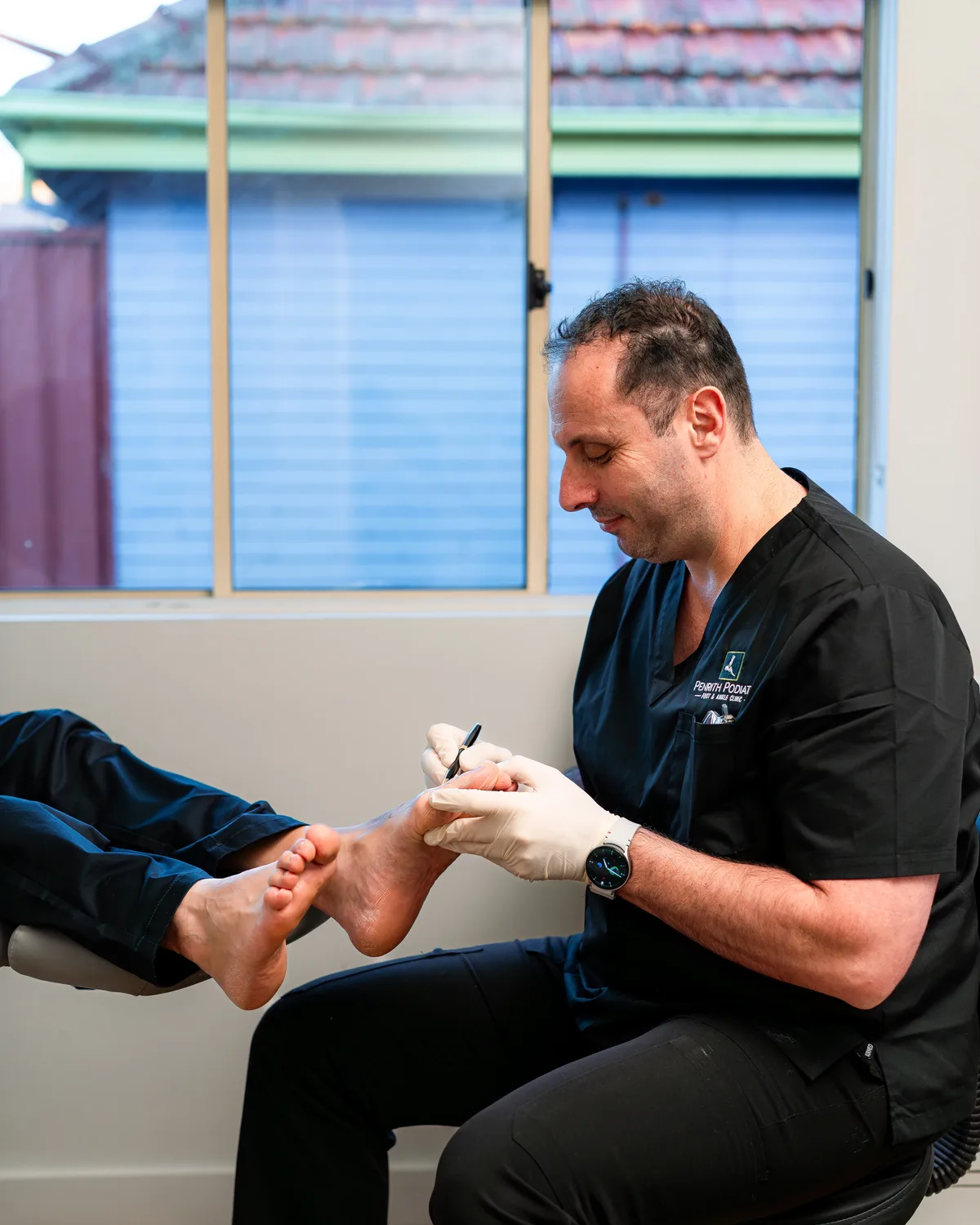
A sore toe is rarely just a sore toe. Whether it's your big toe joint, the tip of your little toe, or that nagging ache between your toes, your foot is sending a signal. Here's how to read it.
TL;DR — Quick summary
- Sore toes have many causes: footwear, arthritis, gout, injuries, nail problems, and structural deformities are the most common.
- Location matters. A sore big toe joint points to different causes than a sore little toe or pain between toes.
- Most toe pain resolves with the right treatment, but ignoring it often makes things worse.
- People with diabetes should treat any sore toe as urgent — same day assessment is recommended.
- A podiatrist can diagnose and treat the majority of toe conditions without surgery.
Why Toes Hurt More Than You'd Expect
Your toes are doing extraordinary work. Every time you take a step, your toes absorb force, provide balance, and help propel you forward. Over the course of a single day of walking, your big toe joint alone bears a load equal to roughly twice your body weight with each step.
Given that, it's almost surprising more people don't have sore toes more often. What is surprising is how frequently people put up with toe pain for weeks, months, or even years before doing something about it, often because it seems too minor to bother with, or too difficult to explain.
"I'll walk it off" is the most common reason a minor sore toe becomes a chronic problem. Most toe conditions respond quickly to early treatment and take much longer to resolve the later you leave them.
The good news: the vast majority of sore toes are treatable. The key is understanding where the pain is, what type of pain it is, and what's actually causing it. That's exactly what this guide walks you through.
Sore Toes by Location: Reading the Signals
Where your toe hurts is one of the most reliable clues to what's going on. Different conditions tend to favour different toes and different parts of the toe. Use the cards below as a starting point.
- Sore Big Toe: The most frequently affected toe. A sore big toe can point to gout, hallux rigidus (stiff joint), bunions, turf toe, sesamoiditis, or an ingrown toenail on the side. Sore under the big toe often suggests sesamoid involvement.
- Sore Second Toe: Often related to crossover toe deformity, hammertoe, or Morton's neuroma (which affects the nerve between the second and third toes). A sore second toe is also common in runners and people who wear narrow footwear.
- Sore Little Toe: Frequently caused by footwear rubbing against a bunionette (a bony bump on the outer edge of the foot), a corn or callus over the toe joint, or a hammertoe curling the little toe under pressure from shoes.
- Between the Toes: Pain, burning, or numbness between toes strongly suggests Morton's neuroma or athlete's foot. A sore between toes that feels like walking on a pebble is a classic neuroma symptom that podiatrists recognise immediately.
- Ends or Tips of Toes: Soreness at the very tip of a toe is often caused by nails pressing into the skin (ingrown or thickened), shoes that are too short, hammer or mallet toe deformities, or in diabetics, a sign of circulation or nerve change.
- Sore Toe Joint: A sore big toe joint or sore toe joint on any digit that aches, stiffens, or swells often points to arthritis, gout, or a ligament/capsule injury. Joint-based pain tends to worsen with activity and ease with rest, at least initially.
Symptom Decoder: What Type of Pain Is It?
The character of your toe pain is almost as informative as the location. Sharp and sudden tells a different story to dull and building. Use this table to help narrow down what you're dealing with.
- Sudden, intense overnight pain: Likely causes: gout, stress fracture. Key clue: gout pain is often described as excruciating, wakes you from sleep, and makes even bed sheets feel unbearable.
- Burning or shooting pain: Likely causes: Morton's neuroma, peripheral neuropathy. Key clue: often feels electric or like walking on a hot stone; may radiate into the ball of the foot.
- Dull, achy joint pain: Likely causes: osteoarthritis, hallux rigidus. Key clue: worsens with activity, stiff in the morning, improves slightly with gentle movement once warmed up.
- Throbbing with swelling and redness: Likely causes: infection, gout, acute injury. Key clue: any combination of heat, redness, and swelling alongside pain needs prompt assessment.
- Sharp pain when toe is bent or pushed: Likely causes: turf toe, fracture, sprain. Key clue: typically follows a specific incident — a stub, a sports collision, or a sudden bend.
- Pain under the ball of the big toe: Likely causes: sesamoiditis. Key clue: common in dancers, runners, and people who spend time on the balls of their feet; worsens with push-off.
- Pressure or numbness between toes: Likely causes: Morton's neuroma, tight footwear. Key clue: squeezing the foot across the width often reproduces the pain or numbness.
- Pain alongside a visible nail digging in: Likely causes: ingrown toenail. Key clue: localised soreness along the nail edge, often with redness and sometimes discharge.
The Most Common Causes of a Sore Toe
There are many reasons your toe might be hurting, from the straightforward to the structural. Here are the conditions your podiatrist will consider first.
- Gout: Gout is one of the most recognisable causes of a sudden, severe sore big toe. It's a form of inflammatory arthritis triggered by a build-up of uric acid crystals in the joint. The big toe is the most commonly affected site, though gout can also attack the ankle or knee. Attacks typically come on at night, are intensely painful, and resolve over a few days, only to return if the underlying uric acid levels aren't managed. Gout is more common in men, people who drink alcohol regularly, and those with kidney disease or a high-purine diet.
- Hallux Rigidus (Big Toe Arthritis): Hallux rigidus is degenerative arthritis of the big toe joint, where the cartilage between the bones gradually wears away. The result is a sore, stiff big toe joint that loses its ability to bend upwards, making walking, climbing stairs, and pushing off uncomfortable. It's one of the most common foot conditions treated by podiatrists in adults over 30, and it's progressive, meaning it worsens without intervention.
- Bunions (Hallux Valgus): A bunion is a bony prominence that forms on the inner side of the foot at the base of the big toe, caused by the big toe gradually drifting towards the second toe. This shifts the joint out of alignment. As bunions develop, the area becomes sore, swollen, and irritated by footwear. Sore big toe on the side is a hallmark complaint. Bunions are partly genetic but made significantly worse by narrow, pointed, or high-heeled shoes worn consistently over time.
- Ingrown Toenails: When the edge of a toenail curves or grows into the surrounding skin, it creates a painful, often infected sore on the side of the toe. The big toe is most commonly affected. Ingrown toenails don't resolve on their own and are one of the most common reasons people visit a podiatrist. Improper nail cutting technique (rounding the corners), tight footwear, and trauma to the nail are the usual culprits.
- Hammertoe, Mallet Toe, and Claw Toe: These are deformities where the toes curl or buckle at one or more joints due to muscle imbalances, often made worse by ill-fitting footwear. The second toe is most commonly affected. Depending on the direction and severity of the curl, the misshapen toe rubs against the top of the shoe, causing corns, blisters, and chronic soreness. A sore second toe that has a visible bend or hump at the middle joint is a textbook hammertoe presentation.
- Morton's Neuroma: Morton's neuroma is a thickening of the nerve tissue that runs between the toes, most commonly between the third and fourth toes. The result is burning, tingling, or a stabbing pain between toes that can make it feel like there's a pebble permanently lodged in your shoe. It's more common in women, runners, and people who wear high heels. Tight footwear compresses the nerve and worsens the pain significantly.
- Sesamoiditis: Two small sesamoid bones sit beneath the big toe joint, embedded in tendons that help move the toe. Sesamoiditis occurs when these tendons become inflamed, usually from repetitive loading. It produces a sore under the big toe or a sore ball of foot near the big toe that worsens with push-off movements. Dancers, runners, and athletes who spend time on the forefoot are at highest risk.
- Turf Toe: Turf toe is a sprain of the ligaments around the big toe joint, usually caused by the toe being forced upwards suddenly (hyperextension). It's common in football, AFL, and other field sports. Despite the dismissive-sounding name, a significant turf toe can be just as limiting as a broken toe and takes weeks to resolve properly.
- Corns and Calluses: Repeated friction and pressure cause the skin to thicken in self-defence. On toes, this typically means corns: small, hardened, often cone-shaped plugs of skin that press into deeper tissue and cause a concentrated point of pain. Corns on the tips of toes, between toes, or over the tops of curled toe joints are extremely common and easily treated by a podiatrist.
- Stress Fractures: A stress fracture is a hairline crack in the bone caused by repetitive loading rather than a single trauma. They're common in runners who increase their mileage too quickly. The second and third toes are most frequently affected. The pain builds gradually, is localised to one specific spot, and worsens with impact. Rest and imaging (X-ray or MRI) are required to confirm.
- Footwear: Sometimes the most important question isn't "what's wrong with my toe" but "what's wrong with my shoes." Shoes that are too narrow, too short, too flat, or with a heel that alters forefoot loading are responsible for a striking number of sore toe presentations. This doesn't mean footwear is the sole cause in every case, but it is almost always a contributing factor worth addressing.
How Urgent Is Your Toe Pain?
Not all sore toes need to be seen today. Use these tiers as a guide to help you decide how quickly to seek care.
- Book this week — Mild, Persistent Discomfort: A sore toe that's been present for more than a week without injury, or recurring discomfort you've been living with. Not an emergency, but worth addressing early.
- Book soon — Pain After an Injury: Following a stub, a fall, or a sporting collision where swelling or bruising is present. A fracture, sprain, or dislocation needs imaging and assessment within a couple of days.
- Seek care today — Infection Signs or Diabetes: Redness spreading around the toe, warmth, discharge, fever, or any toe wound in someone with diabetes. These require same-day attention. Do not wait and hope it improves.
Diabetes and a sore toe — never wait: If you have diabetes and you notice any of the following, seek care the same day: a new sore, blister, redness, swelling, or skin break on or between your toes. Nerve damage may mean you feel less pain than the wound warrants, and small problems escalate quickly without proper treatment.
What You Can Do at Home (and What You Shouldn't)
There are some safe, sensible measures you can take while waiting for a podiatry appointment. There are also a few common "remedies" that do more harm than good.
Safe to Try at Home
- Rest and elevation: Taking weight off a sore toe and elevating your foot reduces swelling and gives the tissue a chance to settle, especially in the first 24 to 48 hours after an injury.
- Ice: Apply an ice pack wrapped in a cloth for 15 to 20 minutes at a time. Ice is most effective in the first 48 hours for acute injuries. Do not apply ice directly to skin.
- Footwear swap: Switch to wider, lower footwear with a soft upper and adequate toe box depth. Even a temporary change to supportive sandals can dramatically reduce irritation from footwear-related pain.
- Over-the-counter pain relief: Ibuprofen (if appropriate for your health situation) can reduce both pain and inflammation for short-term relief. Always check with your GP or pharmacist before using anti-inflammatories regularly.
- Toe protectors or separators: Gel-based toe spacers and protectors from a pharmacy can cushion a sore little toe or a corn between toes while you wait for professional care.
What to Avoid
- Cutting corns yourself: Home "corn razors" and blades are responsible for a significant number of infections treated in podiatry clinics. Corns have a central core that must be removed correctly; amateur attempts typically worsen the problem.
- Pulling or cutting an ingrown toenail yourself: This almost always makes things worse. Digging at the nail border creates open wounds and drives the nail deeper. See a podiatrist.
- Squeezing into old shoes and "toughening through it": Continued pressure on an already sore toe prevents healing and can convert a minor issue into a structural one. Comfort is not optional while your toe is sore.
- Walking barefoot on hard surfaces: This removes the cushioning layer between your feet and the ground and increases load on already compromised structures.
- Any home treatment if you have diabetes: People with diabetes should not attempt any home remedy on their feet. Book a professional assessment, even for something that seems minor.
How a Podiatrist Treats Sore Toes
A podiatry appointment for a sore toe is not a simple "have a look and send you home" experience. It's a structured clinical process designed to find the actual cause so the treatment addresses the right problem. Here's what to expect.
- Comprehensive Assessment: Your podiatrist will take a thorough history (when it started, what makes it worse, your footwear, your activity levels, your medical history), followed by a physical examination of the toe, surrounding structures, and how you walk. This gait analysis is crucial because the way you move often contributes to why a particular toe is under stress.
- Imaging When Needed: Where a fracture, bone spur, or joint involvement is suspected, X-rays may be ordered. Ultrasound is particularly useful for soft tissue conditions like Morton's neuroma and Achilles involvement. Your podiatrist will refer you for the appropriate imaging and interpret the results in context of their physical findings.
Specific Treatments by Condition
- Corns and calluses: Painless, precise removal using specialist instruments. The underlying pressure cause is then addressed through footwear advice or orthotics.
- Ingrown toenails: Conservative management or, where necessary, a minor surgical procedure (partial nail avulsion) performed in-clinic under local anaesthetic. Quick, effective, and permanent in most cases.
- Gout: Podiatrists work alongside your GP to manage acute attacks (offloading, padding, footwear advice) and reduce long-term risk through dietary and lifestyle guidance.
- Hallux rigidus and arthritis: Custom orthotics to offload the joint, footwear modifications, mobilisation techniques, and where appropriate, referral for imaging or surgical consultation.
- Morton's neuroma: Footwear modification, metatarsal padding to spread the bones, custom orthotics, and in persistent cases, sclerosant injection therapy or surgical referral.
- Hammertoe and deformities: Taping and padding, orthotics to redistribute pressure, footwear guidance. Surgical referral for severe or rigid cases.
- Sesamoiditis: Off-loading with padding, reduced activity, orthotic therapy, and in severe cases, immobilisation or referral for specialist assessment.
Custom Orthotics
Many sore toe conditions have an underlying biomechanical driver: the way your foot moves and distributes load is creating excess stress on a particular structure. Custom orthotics are prescription insoles crafted from a 3D assessment of your foot that redirect force away from the problem area. They're one of the most effective long-term tools in a podiatrist's toolkit for toe pain, particularly for sesamoiditis, Morton's neuroma, and joint-related conditions.
Bulk billed at Penrith Podiatry: If your GP has referred you under a Chronic Disease Management (CDM) or Enhanced Primary Care (EPC) plan, all podiatry visits at Penrith Podiatry Foot and Ankle Clinic are bulk billed. Contact us on 1300 470 220 to confirm your eligibility before your appointment.
Frequently Asked Questions
Why is my big toe sore for no apparent reason?
A sore big toe with no clear injury is one of the most common presentations podiatrists see. Gout, hallux rigidus (arthritis of the big toe joint), and early-stage bunions are the three most likely culprits. All three can appear to come on "out of nowhere" despite developing quietly over time. A podiatrist can usually identify the cause with a physical assessment and, if needed, imaging.
Why are my sore toes worse in the morning?
Morning stiffness and soreness in the toes is a classic feature of arthritis, particularly rheumatoid or osteoarthritis of the toe joints. It occurs because the joint fluid thickens overnight with inactivity and causes the joint to feel stiff and sore until it warms up with movement. Persistent morning soreness in the toes warrants a podiatry assessment and possible blood work to rule out inflammatory arthritis.
Can sore toes be caused by my footwear?
Yes, and more often than people realise. Shoes that are too narrow compress the toes and aggravate bunions, neuromas, and corns. Shoes that are too short cause the toes to curl and create pressure at the tips. High heels transfer excessive weight to the forefoot, overloading the metatarsal heads and the sesamoid bones beneath the big toe. Even flat shoes with no arch support can alter load distribution enough to make toes sore over time. Your podiatrist will always assess footwear as part of a sore toe consultation.
Will I need surgery for my sore toe?
The majority of sore toe conditions do not require surgery. Conservative podiatric care, which includes orthotics, footwear changes, padding, nail care, and specific therapies, resolves most presentations. Surgery is considered only when conservative treatment has been given a reasonable trial and has not provided adequate relief, or when the structural deformity is severe enough that non-surgical options cannot adequately offload the problem.
Can I still exercise if my toe is sore?
It depends entirely on the cause. Some conditions, like a mild neuroma or early-stage bunion, allow for low-impact activity with appropriate footwear. Others, like a stress fracture, sesamoiditis, or turf toe, require a period of rest from impact loading to heal properly. Continuing to run or jump on an undiagnosed sore toe can convert a minor injury into a serious, prolonged one. Ask your podiatrist what activities are safe while you recover.
How long does a sore toe typically take to heal?
Mild irritation from footwear or a minor soft tissue strain can settle within one to two weeks with appropriate footwear changes and rest. Corns and ingrown toenails often improve significantly within one or two podiatry appointments. Conditions like sesamoiditis or Morton's neuroma can take six to twelve weeks to resolve with the right treatment plan. Arthritis and deformities like bunions are long-term conditions managed rather than "cured," though symptoms can be significantly improved with ongoing podiatric care.
Does Penrith Podiatry Clinic treat children with sore toes?
Yes. Penrith Podiatry Clinic provides paediatric podiatry services for children of all ages. Children's sore toes have their own common causes, including Freiberg's disease (avascular necrosis of the metatarsal head), growing pains, and footwear-related problems during rapid growth phases. Our team is experienced in assessing and treating toe and foot conditions in children, tailoring every treatment plan to the individual child's needs and growth stage.
Explore related conditions & services
Bunions
A progressive big-toe-joint deformity - managed conservatively, corrected with surgery when needed.
Learn moreMorton's Neuroma
Burning, shooting forefoot pain like walking on a pebble - a compressed, thickened nerve.
Learn moreHammer Toes
A toe bent at the middle joint - flexible deformities are easier to manage than rigid ones.
Learn moreFoot & Ankle Assessment
Comprehensive biomechanical and clinical evaluation to pinpoint the root cause of foot, ankle and lower-limb pain.
Learn moreOrthotic Therapy
Custom-prescribed orthoses to offload, support and correct the foot mechanics driving your pain.
Learn moreIngrown Toenail Surgery
Permanent correction of painful or recurrent ingrown toenails under local anaesthetic.
Learn more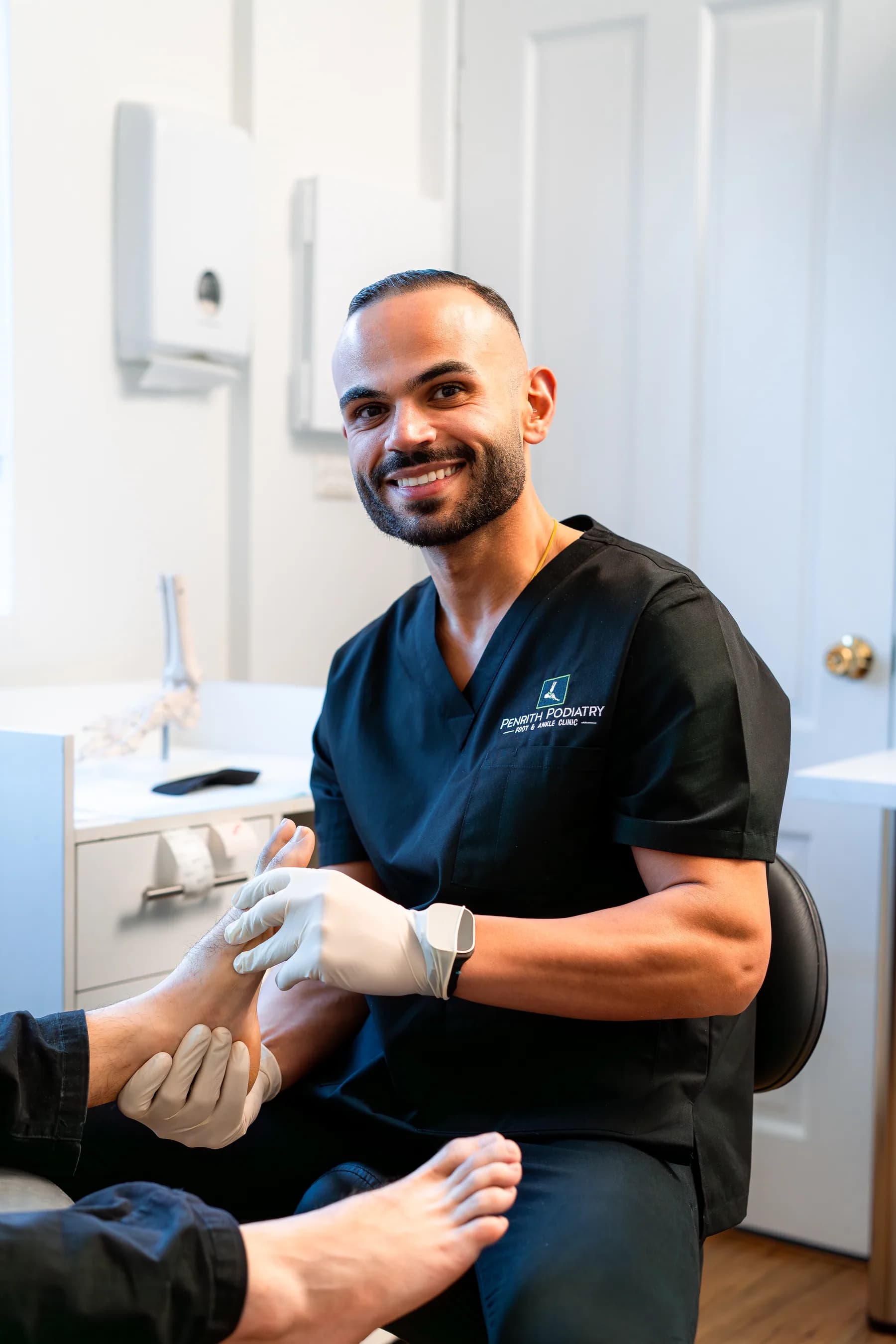
Have a foot or ankle concern?
Reading up is a good start - but nothing beats a proper assessment. Book in and we'll diagnose the cause and map out a plan. Serving Penrith and the wider Western Sydney region.