
Looking After Your Feet When You Have Diabetes
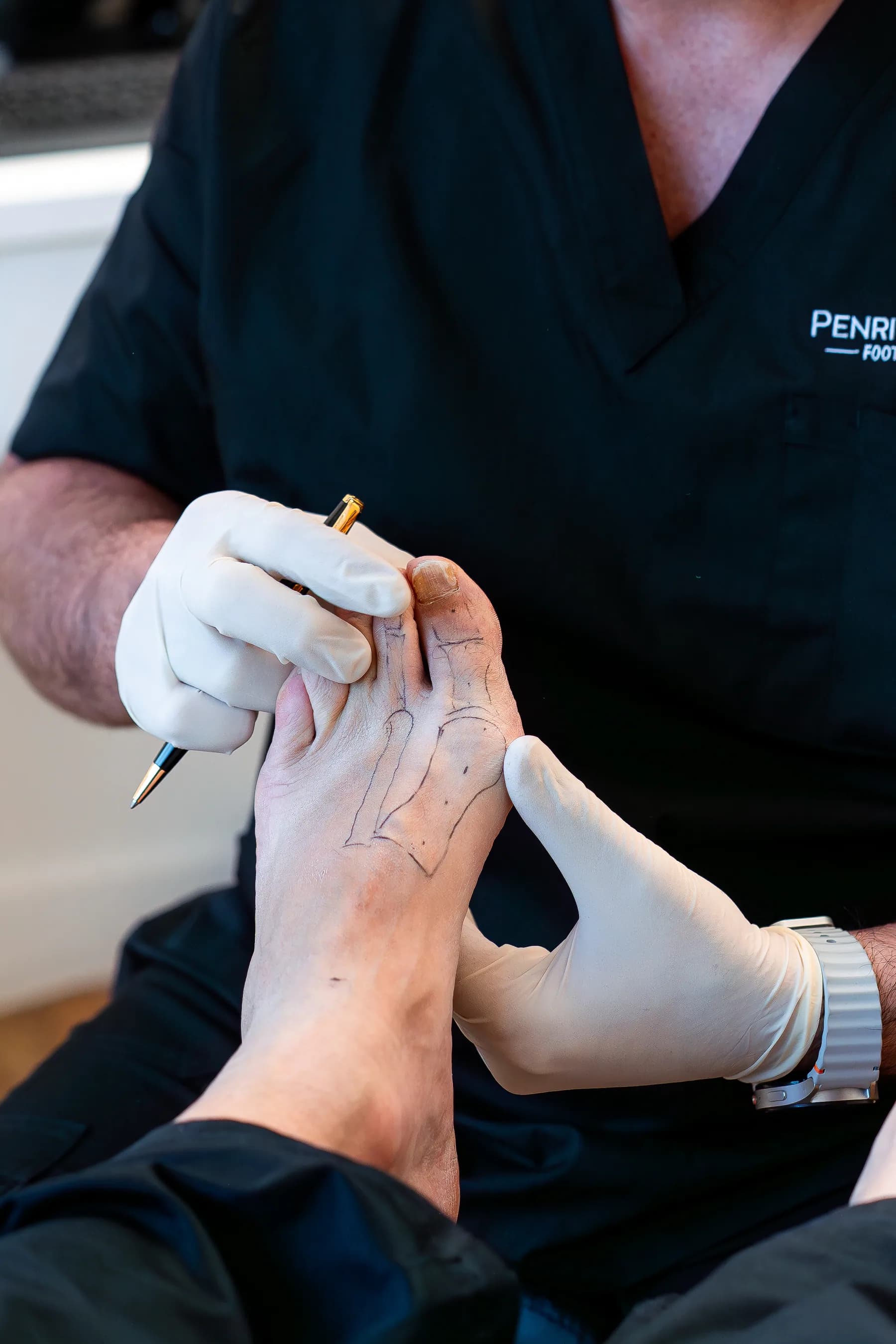
If you have diabetes, your feet deserve a bit of extra attention. Over time diabetes can reduce sensation and affect blood flow to the feet, which means a small problem - a blister, a cut, a callus - can be missed and heal slowly. The reassuring part is that a simple routine and regular checks make a real difference.
Why diabetes affects your feet
Two changes matter most. Reduced nerve sensation (neuropathy) means you may not feel a rub, cut or blister the way you used to. Reduced circulation means minor injuries heal more slowly. Together, they mean problems can develop quietly - which is exactly why prevention and regular checks are so effective.
A simple daily routine
A few minutes a day goes a long way:
- Check daily: look over your feet each day - tops, soles and between the toes - using a mirror if needed
- Wash and dry well: keep feet clean and dry, especially between the toes
- Moisturise: use cream on dry skin, but not between the toes
- Check your shoes: feel inside for grit or rough seams before putting them on, and choose well-fitting footwear
- Never ignore a change: any new redness, swelling, break in the skin or wound needs prompt attention
The value of a regular foot check
A structured diabetic foot assessment picks up nerve and circulation changes early - often before you'd notice anything yourself. It grades your risk, sets how often you should be reviewed, and catches high-pressure areas or early skin breakdown while they're easy to manage. For most people with diabetes, a check at least once a year is recommended, and more often if you have reduced sensation, poor circulation or a history of foot problems.
Many people are eligible for podiatry under a Medicare Chronic Disease Management (EPC) plan arranged by their GP - worth asking about.
When to seek help promptly
Don't wait with a diabetic foot problem. Any wound that isn't healing, new redness or swelling, or a change in colour or temperature of the foot should be checked without delay. Acting early is the single most effective way to prevent a small issue becoming a serious one.
Explore related conditions & services
Diabetic Foot Ulcers
An open wound on a diabetic foot - largely preventable, and treatable with prompt specialist care.
Learn moreDiabetic Foot Assessment
Diabetic foot screening and vascular risk assessment to protect foot health and prevent complications.
Learn moreFoot & Ankle Assessment
Comprehensive biomechanical and clinical evaluation to pinpoint the root cause of foot, ankle and lower-limb pain.
Learn more
Have a foot or ankle concern?
Reading up is a good start - but nothing beats a proper assessment. Book in and we'll diagnose the cause and map out a plan. Serving Penrith and the wider Western Sydney region.