
Foot Ulcer & Diabetic Foot Ulcer: Causes, Stages & Treatment
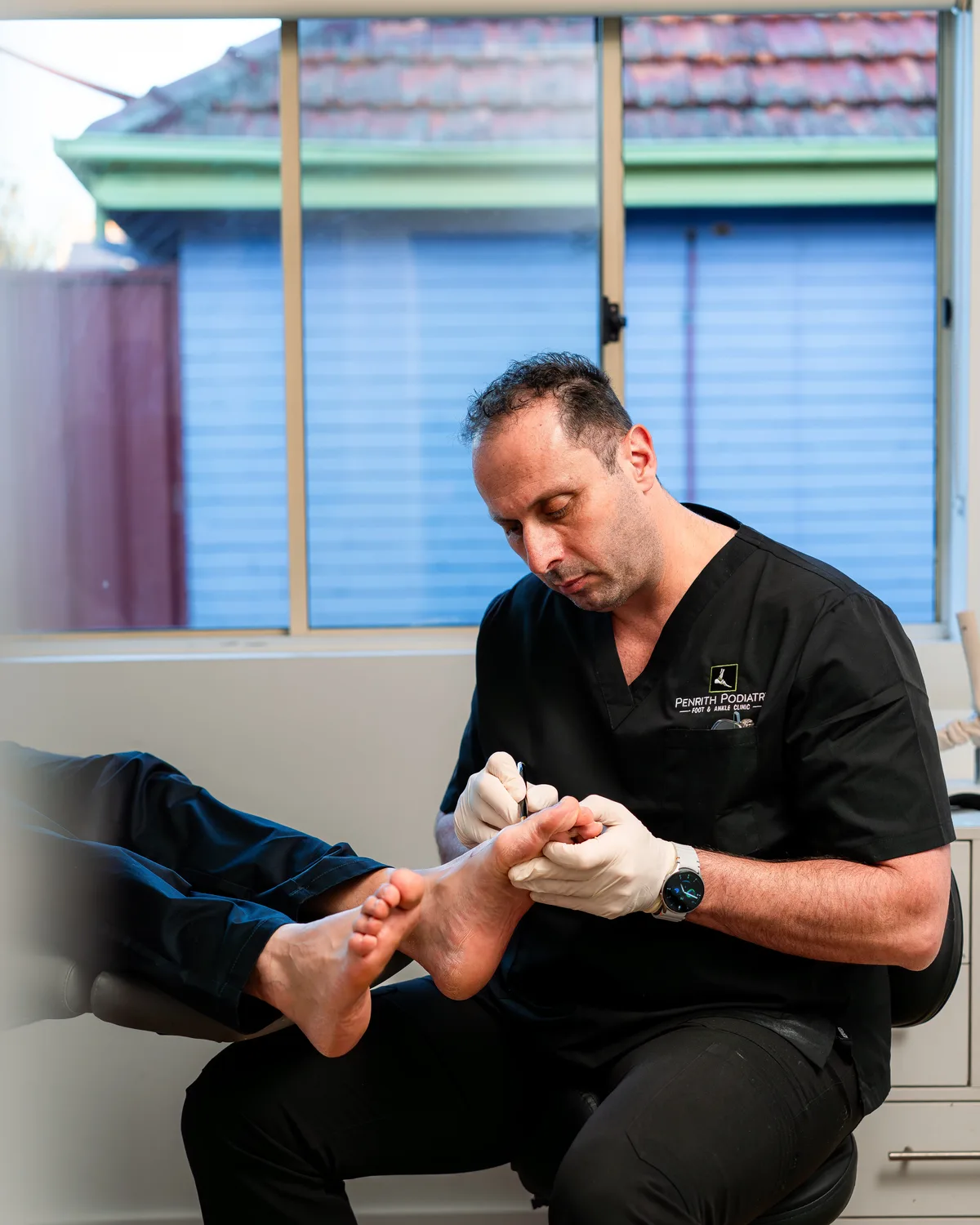
An open wound on your foot that won't heal is not something to wait out. Here's what you need to know about foot ulcers, why diabetics are at the highest risk, and what proper treatment looks like.
What Is a Foot Ulcer?
A foot ulcer is an open wound or sore that develops on the skin of the foot and fails to heal within the normal timeframe. Unlike a minor cut or blister that closes up in a few days, an ulcer on foot persists, deepens, and can become infected if it is not managed correctly.
Foot ulcers can appear on any part of the foot, but they most commonly form on the ball of the foot, the heel, and the tips of the toes. The wound may look like a crater or hollowed-out sore, sometimes surrounded by thickened, callused skin. In more advanced cases, the wound can extend through multiple layers of tissue, reaching tendon or bone.
Not all foot ulcers are caused by diabetes. Venous ulcers (related to poor circulation in the veins), arterial ulcers (caused by reduced blood supply), and pressure ulcers can all develop on the foot. However, diabetic foot ulcers are by far the most common and the most serious, which is why they are the main focus of this article.
- 27,600: Hospital admissions per year in Australia due to diabetic foot ulcers
- 4,400: Limbs amputated each year as a direct result of diabetic foot ulcers in Australia
- 1 in 3: People with diabetes will develop a foot ulcer at some point in their life
- 85%: Reduction in amputation risk with a comprehensive foot care program
Why Are People With Diabetes at High Risk?
Diabetes creates a perfect storm of conditions that make foot ulcers far more likely to develop and far harder to heal. Two complications sit at the centre of this risk: peripheral neuropathy and peripheral arterial disease.
- Peripheral Neuropathy (Nerve Damage): Consistently high blood glucose levels damage the nerves that run to your feet over time. This is called peripheral neuropathy, and its most dangerous feature is that it reduces or eliminates your ability to feel pain, heat, and pressure in the affected areas. When you cannot feel a blister, a tight shoe, or a small cut, you don't take action. What starts as a tiny irritation quietly becomes an open wound. Many people discover a foot ulcer only when they notice blood on their sock or an unusual odour from a wound that has already become infected.
- Poor Circulation: Diabetes also damages blood vessels, restricting blood flow to the extremities. Your feet are the furthest point from your heart, which makes them the most vulnerable. Without adequate blood supply, your body struggles to deliver the oxygen and nutrients required for tissue repair, meaning wounds that would heal quickly in a healthy person can linger for weeks or months in someone with diabetes. In severe cases, poor circulation can lead to gangrene and ultimately amputation if the ulcer is not treated promptly.
- Compromised Immune Response: High blood sugar also impairs the immune system's ability to fight infection. Bacteria thrive in elevated glucose environments, which means a diabetic foot ulcer is at significantly greater risk of becoming infected compared to a wound in someone without diabetes. Infections can escalate quickly, spreading to deeper tissue, bone (osteomyelitis), and the bloodstream.
Important: when to seek immediate care
See a podiatrist or doctor the same day if you notice any of the following:
- A wound or sore on your foot that hasn't improved after 2-3 days
- Redness, warmth, or swelling around a wound
- Discharge or a foul odour coming from a sore
- Darkening or blackening of the skin around a wound
- Fever alongside a foot wound
Common Causes and Risk Factors
Understanding what causes a diabetic foot ulcer is the first step in preventing one. The following factors significantly increase the likelihood of developing an ulcer on foot:
- Pressure and friction: Ill-fitting footwear, walking barefoot, or repetitive pressure on bony prominences (such as the ball of the foot) causes skin breakdown, particularly when neuropathy is present and the person cannot feel the damage occurring.
- Trauma: Cuts, scrapes, or burns that go unnoticed due to nerve damage. Even stepping on a small object can initiate an ulcer in a person with reduced foot sensation.
- Callus formation: Thickened callus over high-pressure areas can crack and open into a wound, or can act as a mechanical plug trapping infection beneath the skin surface.
- Nail problems: Ingrown toenails or fungal nails that pierce or irritate surrounding skin create entry points for bacteria.
- Poor blood sugar control: Chronically elevated glucose directly damages nerves and blood vessels, accelerating all the underlying risks.
Risk Factors
- Type 1 or Type 2 diabetes, particularly long-standing or poorly controlled
- Previous history of a foot ulcer (once you have had one, you are 36 times more likely to develop another)
- Peripheral neuropathy already diagnosed
- Peripheral arterial disease or vascular conditions
- Smoking (significantly delays wound healing and impairs circulation)
- Kidney disease
- Obesity
- Visual impairment (makes daily foot inspection difficult)
Early Stage Diabetic Foot Ulcer: Signs to Watch For
Catching a diabetic foot ulcer in its early stage dramatically improves the outcome. The challenge is that nerve damage means pain is often absent, so the visual and physical warning signs become the only reliable cues.
An early stage diabetic foot ulcer may present as:
- A small, shallow open sore or crater on the skin of the foot, often surrounded by a ring of thickened or reddened skin
- Skin that appears red, pink, or darkened in a localised area without an obvious wound yet visible
- A blister that has burst and is not healing
- A callus with a moist, soft or discoloured centre
- Localised warmth or swelling on one part of the foot compared to the other
- Any area that is producing a small amount of fluid or discharge
Even at this early stage, a small ulcer can progress to a deep wound involving tendons or bone within days if left unattended. This is why proactive daily foot inspection is so critical for anyone living with diabetes.
Daily foot check tip: Check your feet every day, including the soles, heels, and between your toes. Use a handheld mirror, or ask a family member to help if bending is difficult. Look for any new cuts, blisters, redness, or areas of unusual skin discolouration.
The Stages of a Diabetic Foot Ulcer
Podiatrists and wound care specialists commonly use the Wagner Ulcer Classification System to grade the severity of a diabetic foot ulcer. Understanding where your wound sits on this scale helps guide the right level of treatment and urgency.
- Grade 0: Pre-ulcer or healed ulcer. Intact skin, but at high risk. Skin intact. Risk level: LOW.
- Grade 1: Superficial ulcer involving the full skin thickness only. Skin and subcutaneous tissue. Risk level: MODERATE.
- Grade 2: Deeper ulcer extending to ligament, tendon, capsule, or fascia. Tendon / joint capsule. Risk level: HIGH.
- Grade 3: Deep ulcer with bone involvement, joint infection, or abscess. Bone / joint. Risk level: VERY HIGH.
- Grade 4: Gangrene affecting the forefoot or toes. Vascular / tissue death. Risk level: CRITICAL.
- Grade 5: Gangrene affecting the entire foot. Whole foot. Risk level: EMERGENCY.
Grades 1 and 2 can almost always be resolved with conservative podiatric care if they are identified early enough. Grades 3 and above involve medical specialists, vascular surgeons, and potentially hospitalisation. The goal of regular podiatry is to prevent progression beyond Grade 1.
Foot Ulcer Treatment: What to Expect
Effective foot ulcer treatment requires a structured approach that addresses the wound itself, the underlying causes, and the factors slowing healing. Here is what a comprehensive treatment plan typically involves.
- 1. Thorough Assessment: Your podiatrist will examine the wound closely to determine its depth, signs of infection, and the health of surrounding tissue. They will also assess your circulation, nerve function, and blood sugar control, as these directly affect how the ulcer responds to treatment. At Penrith Podiatry Clinic, all EPC care plan visits are bulk billed, so there is no financial barrier to getting your feet checked.
- 2. Debridement: Debridement is the removal of dead, damaged, or infected tissue from around the wound. This is a critical step in foot ulcer treatment because dead tissue prevents the wound edges from closing and provides a breeding ground for bacteria. Because neuropathy often means the foot has reduced sensation, debridement is generally well tolerated. Your podiatrist uses a scalpel, curette, or other specialist tools to clear the wound bed and encourage healthy tissue growth.
- 3. Wound Dressing: Once the wound is debrided, it is dressed with a specialised medical dressing chosen to manage moisture levels, protect from contamination, and promote healing. The type of dressing varies depending on how much fluid the wound is producing, whether infection is present, and the depth of the ulcer. Dressings are changed regularly and reviewed at each appointment.
- 4. Pressure Off-Loading: This is arguably the most important element of diabetic foot ulcer treatment. The wound cannot heal if it continues to bear weight and pressure. Off-loading means redistributing or removing pressure from the ulcer site using devices such as total contact casts, removable cast walkers, specialised diabetic footwear, or custom orthotics. As experienced podiatrists say: it is what you take off the wound, not what you put on it, that drives healing.
- 5. Infection Management: If infection is present, your podiatrist will take a wound swab to identify the specific bacteria involved. This allows the right antibiotic to be prescribed rather than relying on a broad-spectrum approach. Catching and treating an infection early is critical. An infected ulcer that spreads to bone (osteomyelitis) or the bloodstream becomes a hospitalisation-level emergency.
- 6. Blood Sugar Optimisation: Wound healing fails if blood glucose remains consistently elevated. Even the best wound care plan delivers poor results without controlled blood sugar. Your podiatrist will work alongside your GP and diabetes care team to ensure this is addressed as part of your overall treatment.
- 7. Vascular Intervention (Where Required): If poor circulation is significantly limiting healing, referral to a vascular surgeon may be required. Improving blood flow to the foot can make the difference between a wound that heals and one that does not respond to treatment.
How long does healing take?
Most diabetic foot ulcers heal within 6 to 12 weeks with the right treatment. More complex or deep wounds may take several months. Early intervention consistently leads to faster healing and reduces the risk of complications. If a wound is not showing progress within 4 weeks of appropriate treatment, a specialist referral is recommended.
Prevention: How to Reduce Your Risk
For people living with diabetes, preventing a foot ulcer is always preferable to treating one. The following steps, consistently applied, significantly reduce the risk of developing an ulcer on foot.
Daily Foot Care Habits
- Inspect both feet every day from all angles, including the soles and between the toes
- Wash feet in warm (not hot) water and dry them thoroughly, particularly between the toes
- Apply a moisturising cream to the tops and soles of your feet, but not between the toes (excess moisture there promotes fungal infections)
- Never walk barefoot, even indoors
- Do not attempt to remove corns, calluses, or ingrown nails yourself. See a podiatrist
Footwear
- Wear well-fitting, supportive shoes with a wide toe box and adequate depth to prevent rubbing and pressure points
- Check the inside of your shoes before putting them on to feel for any foreign objects, rough seams, or damage
- Diabetic socks (seamless, moisture-wicking) reduce friction and pressure compared to standard socks
- Ask your podiatrist about custom orthotics if you have bony prominences or high-pressure areas under your feet
Regular Podiatry Visits
People with diabetes should see a podiatrist at least once a year for a comprehensive diabetic foot assessment, and more frequently (every 3 to 6 months) if they are at moderate or high risk. Regular assessments allow your podiatrist to identify and treat calluses, nail problems, circulation changes, and nerve function before they progress to something more serious.
Blood Sugar and Lifestyle
- Keep blood glucose levels within your target range as set by your GP or endocrinologist
- Quit smoking: smoking constricts blood vessels and dramatically slows wound healing
- Maintain a healthy weight to reduce mechanical pressure on the feet
- Exercise regularly to support circulation, but always wear appropriate footwear and check your feet afterwards
Frequently Asked Questions
Can a foot ulcer heal on its own without treatment?
A minor, superficial ulcer in a person without underlying conditions may close on its own with basic wound care. However, for people with diabetes, the combination of poor circulation, nerve damage, and compromised immunity means that waiting is dangerous. Even a small ulcer can worsen quickly. Always seek professional assessment early rather than hoping it will resolve by itself.
Is a diabetic foot ulcer always painful?
Not necessarily. Because diabetes causes nerve damage (neuropathy), many people feel little or no pain from an ulcer on foot. This absence of pain is part of what makes diabetic foot ulcers so dangerous: it removes the body's natural warning signal. If you have diabetes, you should never rely on pain as your indicator that something is wrong.
Can I use honey or home remedies on a foot ulcer?
Medical-grade manuka honey does have documented antibacterial properties and is used in some clinical wound dressings. However, home application of honey or other DIY treatments is not a substitute for professional care and can delay the treatment that your wound actually needs. Always consult your podiatrist before applying any home remedy to an open wound on your foot.
How often should someone with diabetes see a podiatrist?
At a minimum, once a year for a comprehensive diabetes foot assessment. If you have already been diagnosed with neuropathy, poor circulation, or if you have had a previous ulcer, your podiatrist will likely recommend visits every 3 to 6 months. Early, regular monitoring is the most effective strategy for preventing ulcer development and catching problems before they escalate.
Does Penrith Podiatry Clinic bulk bill for diabetes-related foot care?
Yes. All Enhanced Primary Care (EPC) care plan visits are bulk billed at Penrith Podiatry Foot and Ankle Clinic. If your GP has referred you under a chronic disease management plan, you may be eligible for bulk billed podiatry visits. Contact our clinic on 1300 470 220 to discuss your eligibility.
What is the difference between a venous ulcer and a diabetic foot ulcer?
A venous ulcer is caused by chronic venous insufficiency (where the veins struggle to return blood from the legs to the heart), and typically appears on the inner ankle or lower leg. It is usually associated with leg swelling and a moist wound bed. A diabetic foot ulcer is primarily driven by nerve damage and poor arterial circulation in people with diabetes, and most commonly appears on pressure points on the sole of the foot, heel, or toes. Treatment approaches differ, which is why accurate diagnosis from a podiatrist is essential.
Explore related conditions & services
Diabetic Foot Ulcers
An open wound on a diabetic foot - largely preventable, and treatable with prompt specialist care.
Learn moreDiabetic Foot Assessment
Diabetic foot screening and vascular risk assessment to protect foot health and prevent complications.
Learn moreFoot & Ankle Assessment
Comprehensive biomechanical and clinical evaluation to pinpoint the root cause of foot, ankle and lower-limb pain.
Learn more
Have a foot or ankle concern?
Reading up is a good start - but nothing beats a proper assessment. Book in and we'll diagnose the cause and map out a plan. Serving Penrith and the wider Western Sydney region.