
How to Keep Your Feet Healthy: A Podiatrist's Guide
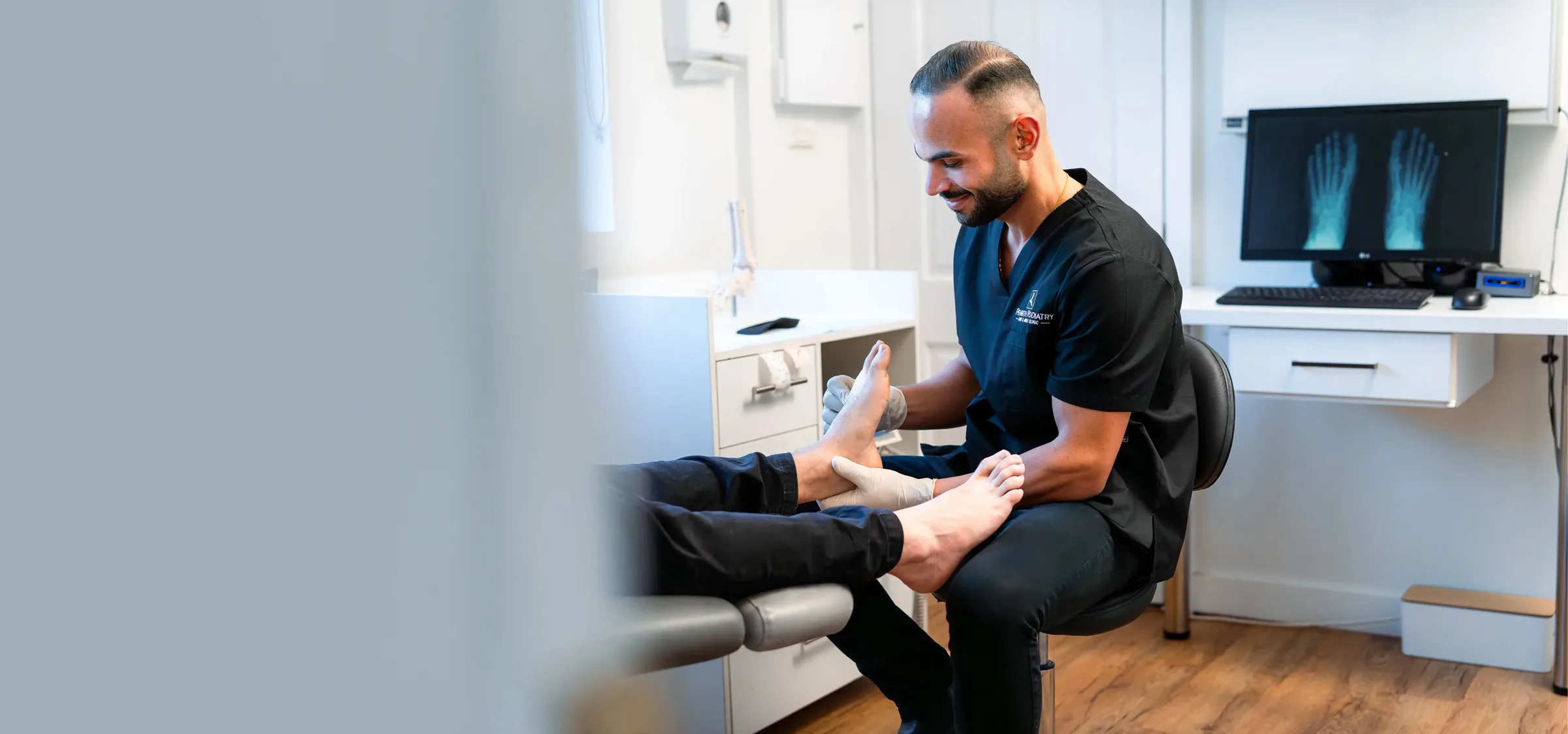
Most people only think about their feet when something hurts. By then, prevention is off the table. Here's what the podiatrists at Penrith Podiatry Clinic recommend for keeping your feet in good shape, at every age and activity level.
Your feet contain 26 bones, 33 joints, and over 100 muscles, tendons, and ligaments. They absorb the equivalent of hundreds of tonnes of cumulative force every single day. And most people give them less daily attention than their hands.
The result is predictable: conditions that start as minor inconveniences (a bit of heel soreness, a slightly thickened toenail, a small patch of dry skin) become established problems that require clinical intervention. Many of them are entirely preventable with the right habits in place.
This guide covers the fundamentals of foot health: what to do daily, what footwear actually means for your feet long-term, and when it's time to stop managing yourself and get a professional assessment.
Quick summary
- Foot health starts with daily habits: washing, drying, moisturising, and a quick visual check.
- Footwear is the single biggest controllable factor in long-term foot health.
- Toenail care, sock choice, and managing moisture all prevent common and avoidable conditions.
- Exercise keeps the feet strong; rest and load management prevent overuse injuries.
- You don't need to wait until something hurts to see a podiatrist. Preventive assessment is worthwhile, particularly for diabetics, athletes, and anyone with a family history of foot conditions.
Daily foot care habits
A daily foot care routine doesn't need to take more than a few minutes. The goal is to catch changes early and keep the skin, nails, and circulation in good condition.
- Wash with warm water and mild soap: wash feet thoroughly every day, paying particular attention to between the toes where moisture and bacteria accumulate. Avoid soaking feet for extended periods, which can over-hydrate and soften the skin excessively.
- Dry completely, especially between the toes: this is the step most people skip. Residual moisture between the toes creates the exact conditions that fungal infections need to establish. Pat dry, don't rub, and use a clean towel dedicated to your feet.
- Moisturise the heel and sole: apply a urea-based cream or a dedicated foot moisturiser to the heel and sole - but not between the toes. Daily moisturising prevents the build-up of dry, thickened skin that leads to cracking. Cracked heels aren't just uncomfortable; deep fissures can become infected.
- Check your feet visually: a 30-second visual inspection each day catches changes before they progress. Look at the soles, heels, between the toes, and the nail edges. Use a mirror if needed, or ask someone to help if your mobility is limited. Changes to look for include new redness, swelling, skin breakdown, or changes in nail colour or thickness.
Podiatrist's tip
The best time to inspect and moisturise your feet is after a shower or bath, when the skin is clean and slightly warm. Keep your cream within reach of your usual getting-ready spot so it becomes automatic rather than an afterthought.
Choosing the right footwear
Footwear is the single biggest external factor in foot health. Most structural foot problems, from bunions and hammer toes to plantar fasciitis and metatarsalgia, have a footwear component in their development or aggravation.
Choosing footwear isn't about brand names. It's about structure and fit.
What to look for:
- Wide, rounded toe box that doesn't compress the toes
- Firm heel counter with no collapse when squeezed
- Adequate depth (at least 10mm) to accommodate the foot's natural height
- Some arch support built into the midsole
- Secure fastening (laces or adjustable strap)
- Shock-absorbing midsole for daily walking
- Shoes that fit well from the first wear
What to avoid:
- Narrow or pointed toe boxes that crowd the toes
- Completely flat, unsupported soles (ballet flats, thongs)
- High heels worn daily (occasional use is different)
- Shoes that require "breaking in"
- Worn-down heel or midsole that's lost its structure
- Shoes bought in the morning when feet are at their smallest
- Sizes based on what you wore five years ago
When to replace your shoes. Most athletic footwear is designed for 500 to 800 kilometres of use before the midsole begins to break down. Even shoes that look fine externally can have compressed foam that no longer provides adequate cushioning. If you're covering 30-40km per week, that's roughly a shoe replacement every 4 to 6 months.
For everyday footwear, the test is simple: if the heel counter collapses when you squeeze it, or if the shoe no longer holds its shape, it's past its functional life.
Get your feet measured properly. Foot size changes with age, weight fluctuation, and pregnancy. Many adults are wearing shoes up to a full size too small. Have both feet measured when buying new footwear, and always fit to the larger foot.
Toenail care done right
Incorrect toenail care is one of the most common causes of preventable podiatry presentations. Ingrown toenails and fungal nail infections are both significantly influenced by how nails are maintained.
Toenail care checklist:
- Cut nails straight across, not curved, using clean sharp scissors or clippers
- Trim to just above the tip of the toe - not so short that the nail bed is exposed
- File any sharp edges gently after cutting to prevent snagging
- Never cut into the nail corners - this is the most common cause of ingrown toenails
- Sterilise nail clippers between uses, especially if you share them
- Check for colour changes - yellow, thickened, or brittle nails may indicate a fungal infection that should be treated early
- Wear thongs or foot coverings in communal wet areas (pools, gyms, change rooms) to reduce fungal exposure
Don't ignore thickened or discoloured nails. Fungal nail infections are progressive. They don't resolve without treatment, and left untreated they spread to adjacent nails and are more difficult to eradicate. Early treatment is both simpler and more effective than late-stage management.
Managing moisture and skin health
Too much moisture and too little moisture both cause problems. The goal is balance - and the right sock and footwear choices play a significant role in achieving it.
Socks matter more than most people realise. Cotton socks absorb moisture but retain it against the skin. During exercise or warm weather, this creates a humid environment that promotes fungal growth and blistering. Moisture-wicking socks made from merino wool or synthetic blends pull moisture away from the skin and reduce these risks substantially.
Change socks daily as a minimum, and after exercise. Rotate footwear between wears to allow shoes to fully dry out before the next use.
Dry skin, corns, and calluses. Dry skin, particularly on the heels, thickens over time under pressure. When it dries further, it cracks. Corns and calluses form at points of repetitive friction or pressure and are the foot's protective response to repeated loading.
Neither corns nor calluses should be cut at home with blades or razors. The risk of cutting too deep and causing an open wound is real, particularly in older adults or anyone with reduced sensation in the feet. Podiatric debridement is fast, painless, and targeted to the exact layer of tissue involved.
Podiatrist's tip
- Use a pumice stone on softened skin (after a shower) to manage mild heel thickening before it becomes a callus
- Apply urea cream (25% concentration) daily to heels to break down thickened skin gradually
- Avoid heel-specific scrubs or cheese-grater style files, which remove too much skin too quickly and increase cracking risk
Exercise and load management
The feet are load-bearing structures. Like any load-bearing structure, they benefit from appropriate conditioning and are damaged by sudden increases in load beyond their current capacity.
Strengthening the foot and ankle. The intrinsic muscles of the foot - the small muscles that control toe movement and arch integrity - are frequently underdeveloped in people who spend most of their time in supportive footwear. Strengthening these muscles reduces injury risk and supports better foot mechanics overall.
Simple foot strengthening exercises:
- Toe spread: spread all toes apart as wide as possible, hold for 5 seconds, repeat 10 times
- Towel scrunches: place a small towel on the floor and scrunch it toward you using only your toes
- Calf raises: standing on both feet, rise onto the balls of your feet slowly and lower - 3 sets of 15
- Single-leg balance: stand on one foot for 30 seconds, eyes open, then progress to eyes closed
- Arch doming: without curling your toes, try to lift your arch off the floor while keeping the heel and ball of the foot in contact - 10 repetitions per foot
The 10% rule for runners and active adults. The most common cause of overuse foot and ankle injuries is a sudden increase in training load. Whether you're returning from a break or building toward an event, increasing weekly mileage by no more than 10% per week gives the tendons, plantar fascia, and bone structure time to adapt. Most stress fractures and tendinopathies are the result of ignoring this principle.
Returning to exercise after injury? A sports injury assessment at Penrith Podiatry Clinic includes a return-to-sport plan tailored to your specific condition and training goals, not just clearance to resume.
Foot health and diabetes
Diabetes changes the stakes of foot health entirely. Peripheral neuropathy (reduced sensation) and poor circulation mean that a blister, a small cut, or a pressure sore that a non-diabetic person would notice and manage quickly can go undetected and escalate into a serious wound in someone with poorly controlled diabetes.
Daily foot care for diabetics:
- Inspect feet every day, including the soles - use a mirror or ask for help
- Wash in warm (not hot) water - check the temperature with your elbow first if sensation is reduced
- Never walk barefoot, even indoors
- Wear well-fitting, seamless socks and check the inside of shoes for any objects before putting them on
- Moisturise daily but avoid between the toes
- Have a professional podiatric assessment at least annually - more frequently if you have active neuropathy or circulatory concerns
- Report any new wound, blister, or skin change to your GP or podiatrist promptly - do not wait for a scheduled appointment
Penrith Podiatry Clinic provides comprehensive diabetic foot screening and vascular risk assessment as part of its in-house services. Annual diabetic foot assessments are strongly recommended for all patients with a diabetes diagnosis.
Warning signs to act on
Not every change to your feet needs an immediate appointment. But some do. The list below describes symptoms and signs that warrant prompt podiatric review rather than a wait-and-see approach.
Seek assessment soon if you notice any of the following: heel or arch pain that persists beyond two weeks; pain that is affecting how you walk or how much activity you can do; a new growth, lump, or lesion on or around the foot; sudden or significant swelling in one foot without an obvious cause; toenails that have become thickened, discoloured, or are lifting from the nail bed; skin changes that aren't healing; cold, numb, or tingling feet; or any wound that is slow to close, particularly in people with diabetes or circulatory conditions.
The pattern that leads to the most complex and costly treatment is simple: people notice something, assume it will resolve, and wait too long. Early intervention is almost always less invasive, less expensive, and faster to resolve than addressing an established condition.
Penrith Podiatry Clinic offers same-day and next-day bookings for priority presentations. For straightforward reviews, appointments are typically available within a few days. You don't need a referral to book.
Frequently Asked Questions
How often should I inspect my feet?
Ideally, every day. A quick 30-second visual check of the soles, heels, between the toes, and nail edges catches changes before they progress. This is especially important for people with diabetes, where a small wound or skin change can escalate quickly without regular monitoring.
What is the correct way to cut toenails?
Cut toenails straight across using clean, sharp scissors or clippers. Trim to just above the tip of the toe, not so short that the nail bed is exposed. Avoid rounding the corners - this is the most common cause of ingrown toenails. File any sharp edges after cutting.
How do I choose the right shoes for foot health?
Look for a wide toe box, a firm heel counter, adequate depth (at least 10mm), built-in arch support, and secure fastening. Shoes should feel comfortable from the very first wear. If a shoe needs breaking in, that's a signal it doesn't fit properly. Have both feet measured, and always fit to the larger foot.
Is it bad to walk barefoot?
Occasionally walking barefoot on natural surfaces (grass, sand) can benefit foot strength and balance. However, walking barefoot long-term on hard floors adds uneven load to the heel and forefoot. In communal wet areas such as pools and gym change rooms, footwear should always be worn to reduce fungal infection risk.
How can I prevent foot odour?
Foot odour is driven by bacteria that thrive in moisture. Wash and dry feet thoroughly each day, rotate footwear to allow shoes to air out between wears, wear moisture-wicking socks rather than cotton, and use antibacterial foot powder if needed. Persistent odour alongside skin changes (peeling, scaling) may indicate a fungal infection and is worth having assessed.
When should I see a podiatrist for foot health, not just pain?
You don't need to be in pain to benefit from a podiatric assessment. Preventive reviews are particularly valuable if you have diabetes, are a runner or active athlete with high training loads, have a family history of bunions or other structural conditions, or have simply never had a foot health check. Catching and addressing changes early is far simpler than managing established conditions.
Do orthotics help with long-term foot health?
Custom-prescribed orthoses correct biomechanical loading issues that contribute to overuse injuries, joint stress, and chronic pain. They are not always necessary, but when a full assessment identifies a specific alignment or loading problem, orthoses are among the most durable and effective long-term interventions available. A podiatric assessment will determine whether they are indicated for your specific presentation.
Explore related conditions & services
Fungal Nail Infections
Discoloured, thickened or crumbling nails - diagnosed and treated with laser, oral and topical options.
Learn moreCorns & Calluses
Painful hard skin and corns - painlessly removed, with the pressure that causes them addressed.
Learn moreIngrown Toenails
A nail edge growing into the skin - relieved same-day, and permanently fixable for recurrent cases.
Learn moreDiabetic Foot Ulcers
An open wound on a diabetic foot - largely preventable, and treatable with prompt specialist care.
Learn moreFoot & Ankle Assessment
Comprehensive biomechanical and clinical evaluation to pinpoint the root cause of foot, ankle and lower-limb pain.
Learn moreDiabetic Foot Assessment
Diabetic foot screening and vascular risk assessment to protect foot health and prevent complications.
Learn more
Have a foot or ankle concern?
Reading up is a good start - but nothing beats a proper assessment. Book in and we'll diagnose the cause and map out a plan. Serving Penrith and the wider Western Sydney region.